

EpiGARD

EpiGARD
Catalog excerpts

EpiGARD — a product of BIO VISION Synthetic skin replacement for temporary wound dressing.
Open the catalog to page 1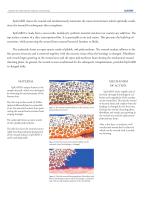
Synthetic skin replacement for temporary wound dressing EpiGARD cleans the wound and simultaneously maintains the moist environment which optimally conditions the wound for subsequent skin transplants. EpiGARD is made from a non-textile, double-ply synthetic material and does not contain any additives. The top surface consists of a thin, microporous film. It is permeable to air and steam. This prevents the build-up of secretions, while protecting the wound from external bacterial burdens or fluids. The underside forms an open matrix made of pliable, soft polyurethane. The wound exudate adheres...
Open the catalog to page 2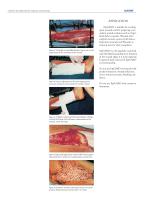
Synthetic skin replacement for temporary wound dressing APPLICATION EpiGARD is suitable for treating open wounds and for preparing a secondary wound occlusion such as Super ficial defect wounds, Wounds after surgical necrosis removal with burns, Operation wounds and Wounds at removal sites for skin transplants. Figure 4: Thorough wound debridement to gain an overall impression of the condition of the wound. EpiGARD is to be regularly examined and with fluid accumulation or irritation of the wound edges it is to be replaced. In general daily renewal of EpiGARD is recommended. Do not use EpiGARD...
Open the catalog to page 3
Synthetic skin replacement for temporary wound dressing EpiGARD' We are indebted to Prof. Dr. med. Kuno Weise for his assistance. BIOVISION specialises in the development and manufacturing of biomaterials. In particular in the processing of resorbable polymer products by means of injection moulding and the production of resorbable ceramic products. These technologies are used inter alia in our products for dental surgery/implantology and for orthopedics. The following products are also included in our portfolio: Orthopedics: BetaBASE bioresorbable bone replacement BioBASE bioresorbable bone replacement...
Open the catalog to page 4All Biovision Biomaterial catalogs and technical brochures
 LeadFIX
4 Pages
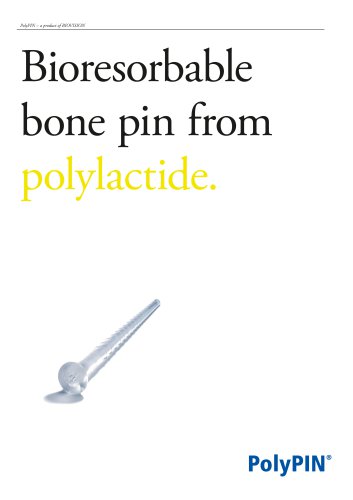 PolyPIN
4 Pages
 BetaBASE
4 Pages
 BioBASE AP
4 Pages