

EA-36

EA-36
Product Name: EA-36
Item Numbers: CM3651, CM3652, CM3653
Manufacturer: Cancer Diagnostics, Inc., Durham, NC
Emergency Contacts: Chemtrec US 1-800-424-9300, Infotrac International 1-352-323-3500
Classifications: Skin and eye irritation, organ toxicity, flammable liquids
Signal Word: Danger
Precautionary Measures: Use protective gear, avoid inhalation and ingestion, keep away from heat and flames.
Main Ingredients: Ethyl Alcohol, Isopropyl Alcohol, Methyl Alcohol, Glacial Acetic Acid, Phosphotungstic Acid, Water
Concentration: Trade Secret
Eye Contact: Rinse with water, seek medical attention if irritation persists.
Skin Contact: Wash with water, remove contaminated clothing.
Inhalation: Move to fresh air, seek medical attention if unwell.
Ingestion: Do not induce vomiting, seek immediate medical attention.
Extinguishing Media: Dry chemical, CO2, alcohol foam
Special Equipment: Use self-contained breathing apparatus.
Procedures: Evacuate area, use protective equipment, ventilate area, prevent environmental release.
Handling: Avoid inhalation, keep container closed, use non-sparking tools.
Storage: Store in a cool, well-ventilated place away from ignition sources.
OSHA PELs: Ethyl Alcohol 1000ppm, Isopropyl Alcohol 400ppm, Methyl Alcohol 200ppm, Glacial Acetic Acid 10ppm
Personal Protection: Gloves, lab coat, eye protection, respirator if necessary.
Appearance: Brown liquid
Odor: Alcoholic
Specific Gravity: 0.81-0.83
Solubility: Miscible in water
Stability: Stable under normal conditions
Incompatibilities: Strong oxidizers, heat, open flame
Decomposition Products: Carbon oxides
Effects: Eye and skin irritation, dizziness, potential blindness if ingested
Carcinogenicity: Ethanol in alcoholic beverages is carcinogenic.
Ecotoxicity: May cause adverse environmental effects
Bioaccumulation: Not specified
Methods: Consult local waste authorities, do not dispose in drains.
UN Number: UN1170
Hazard Class: 3
Packing Group: II
OSHA, DOT, EPA, CPSC regulations apply.
Revision Date: 2019-01-11
NFPA Ratings: Health 2, Flammability 3, Reactivity 0
Catalog excerpts

EA-36 1. Identification Product Name: EA-36 Synonyms: N/A Recommended Use: Tissue Staining Manufacturer: Cancer Diagnostics, Inc. 4300 Emperor Blvd. #400 Durham, NC 27703 1-877-846-5393 Item #: CM3651, CM3652, CM3653 Restrictions on Use: Not a beverage In Case of Emergency: Chemtrec US 1-800-424-9300 Infotrac International 1-352-323-3500 2. Hazards Identification OSHA Hazard Classification(s): Skin Irritation - Category 2 Eye Irritation - Category 2A Specific Target Organ Toxicity (single exposure) - Category 1 Specific Target Organ Toxicity (repeated exposure) - Category 2 Flammable Liquids - Category 2 Signal Word: Danger Hazard Statement(s): Causes skin irritation. Causes serious eye irritation. Causes damage to organs(respiratory system). May cause damage to organs (respiratory system, central nervous system, liver, blood) through prolonged or repeated exposure. Highly flammable liquid and vapor. Precautionary Statement(s): Prevention: Wash body thoroughly after handling. Wear protective gloves. Wear eye protection, face protection. Do not breathe dust, vapors. Do not eat, drink or smoke when using this product. Keep away from heat sources and open flame. No smoking. Keep container tightly closed. Ground/bond container and receiving equipment. Use explosion-proof electrical, ventilating, lighting and equipment. Use only non-sparking tools. Take precautionary measures against static discharge. Response: If on skin: Wash with plenty of water. Specific treatment (see first aid section on this label). If skin irritation or rash occurs: Get medical attention. Take off all contaminated clothing and wash it before reuse. If in eyes: Rinse cautiously with water for several minutes. Remove contact lenses, if present and easy to do. Continue Rinsing If eye irritation persists: Get medical attention. If exposed or concerned: Call a doctor. Call a doctor if you feel unwell. If on skin (or hair): Take off immediately all contaminated clothing. Rinse skin with water/shower. In case of fire: Use water, dry chemical, CO2 or foam to extinguish. Storage: Store locked up. Store in a well-ventilated place. Keep cool. Disposal: Dispose of contents/container in accordance with local regulations. Descriptions of Hazards not otherwise classified: N/A Percent of mixture with unknown acute toxicity: N/A 3. Composition and Information on Ingredients Chemical Name Common Name Ethyl Alcohol Trade Secret Isopropyl Alcohol Trade Secret Methyl Alcohol Trade Secret Select Stains Trade Secret Trade Secret Glacial Acetic Acid Trade Secret
Open the catalog to page 1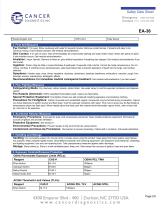
Trade Secret 4. First Aid Measures Eye Contact: If in eyes: Rinse cautiously with water for several minutes. Remove contact lenses, if present and easy to do. Continue rinsing. If eye irritation persists: Get medical advice/attention. Skin Contact: If on skin (or hair): Take off immediately all contaminated clothing and wash before reuse. Wash with plenty of water. If skin irritation occurs: Get medical advice/attention. Inhalation: Vapor Harmful. Remove to fresh air; give artificial respiration if breathing has stopped. Get medical advice/attention if you feel unwell. Ingestion: Poison. May...
Open the catalog to page 2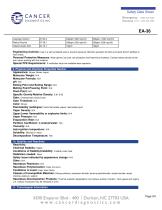
Methyl Alcohol Glacial Acetic Acid Engineering Controls: Use in a well ventilated area to prevent exposure. Maintain eyewash fountain and quick-drench facilities in work areas. Personal Protective Measures: Wear gloves, lab coat, eye protection and impervious footwear. Contact lenses should not be worn when working with this material. Special PPE Requirements: If ventilation hood not available wear respirator. 9. Physical and Chemical Properties Section Appearance: Brown, Brown Liquid Molecular Weight: N/A Molecular Formula: N/A pH: N/A Boiling Point and Boiling Range: N/A Melting Point/Freezing...
Open the catalog to page 3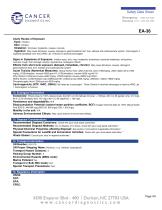
EA-36 Likely Routes of Exposure Eyes: Irritation. Skin: Irritation. Inhalation: Dizziness, headache, nausea, narcosis Ingestion: May cause blindness, nausea, damage to gastrointestinal tract, liver, kidneys and cardiovascular system. Carcinogenic if ingested repeatedly over time (IARC List 1-Ethanol in alcoholic beverages) Signs or Symptoms of Exposure: Irritation eyes, skin, nose; headache, drowsiness, lassitude (weakness, exhaustion), narcosis; cough; liver damage; anemia; reproductive, teratogenic effects Effects from short term exposure (delayed, immediate, chronic): May cause blindness,...
Open the catalog to page 4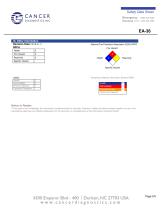
EA-36 16. Other Information Revision Date: 2019-01-11 NFPA Health Fire Hazard Fire Hazard National Fire Protection Association (USA) NFPA Specific Hazard Specific Hazard Hazardous Material Information System HMIS HMIS Health Flammability Physical Hazard Personal Protection Health Flammability Physical Hazard Personal Protection Notice to Reader: To the best of our knowledge, the information contained herein is accurate. However, neither the above named supplier nor any of its subsidiaries assumes any liability whatsoever for the accuracy or completeness of the information contained herein.
Open the catalog to page 5All Cancer Diagnostics catalogs and technical brochures
 Activated Carbon Filters
6 Pages
 atomic base mold leaflet
2 Pages
 Formalin NBF SDS
9 Pages
 Immunohistochemistry
149 Pages
 ANATOMIC PATHOLOGY
192 Pages
 Models WB1 and WB2
2 Pages