
- Catalogs
- Hangzhou Antigenne Technology Co. Ltd
- ITGen catalog

- Company
- Products
- Catalogs
- News & Trends
- Exhibitions
ITGen catalog

ITGen catalog
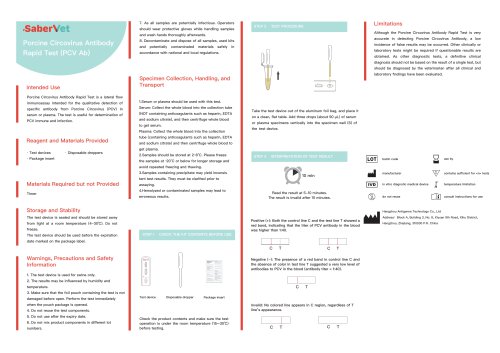
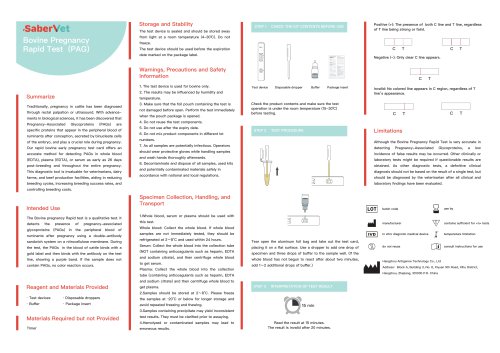
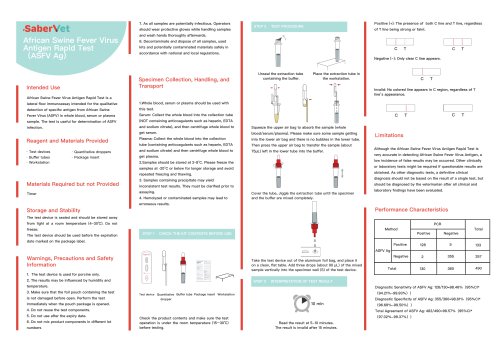
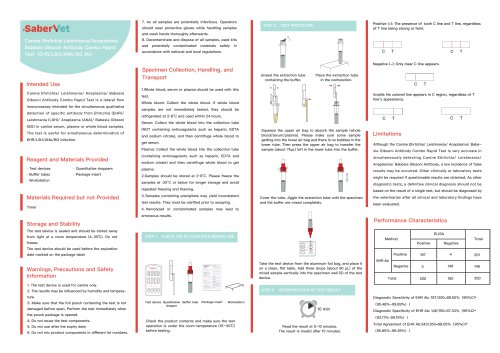
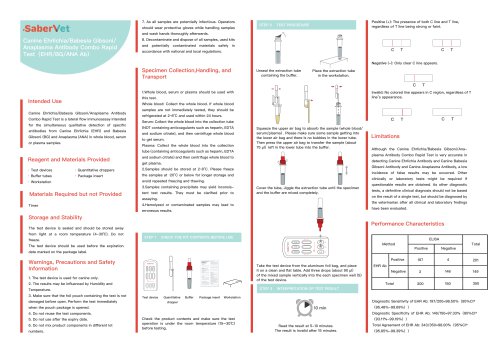
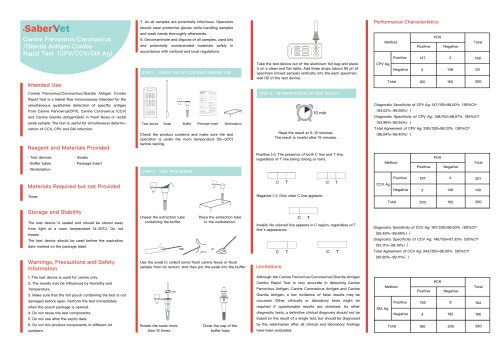
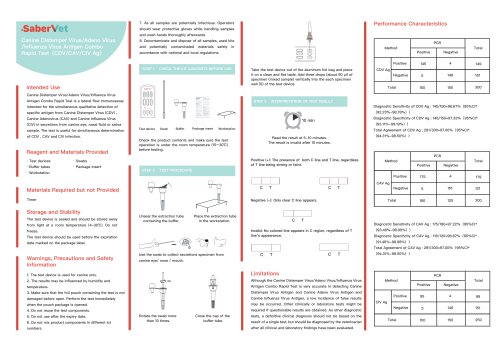
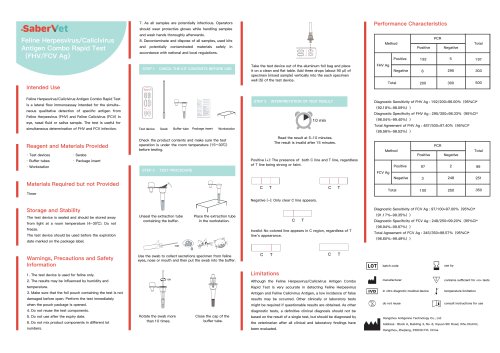
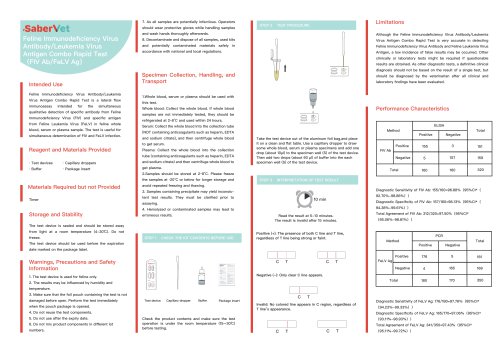
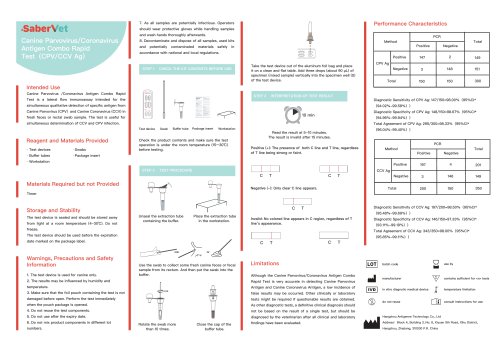
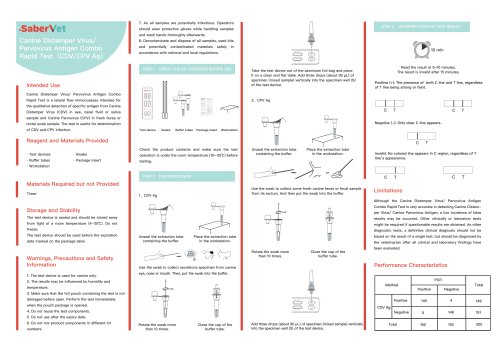
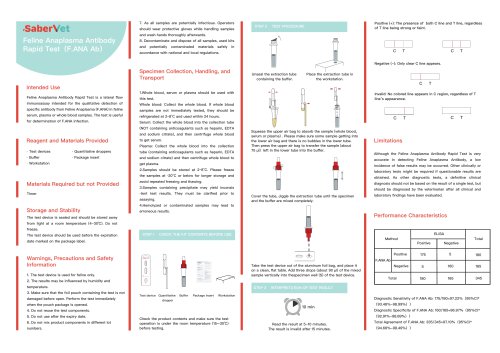
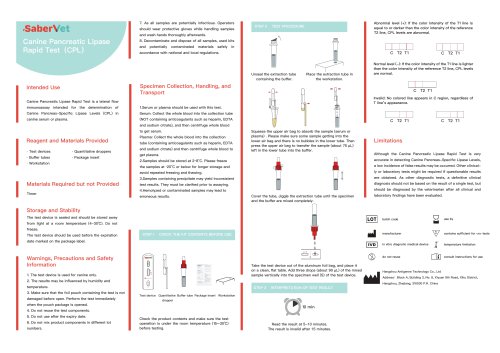
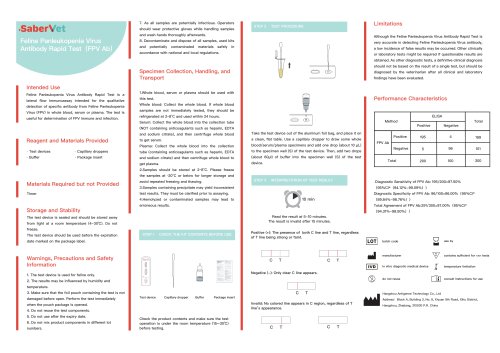
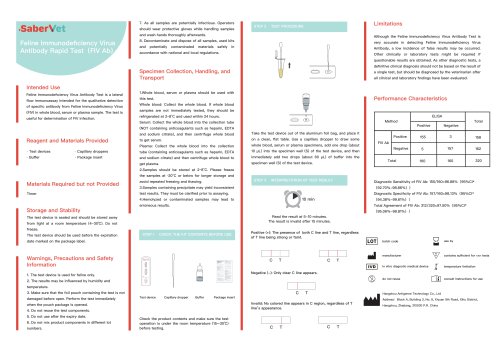
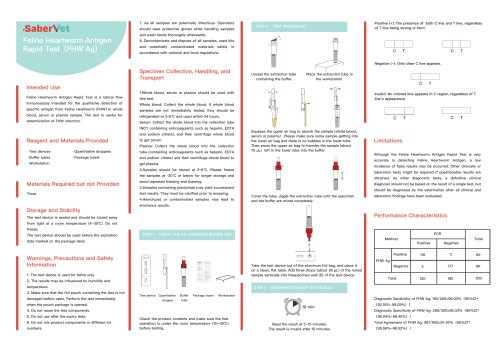
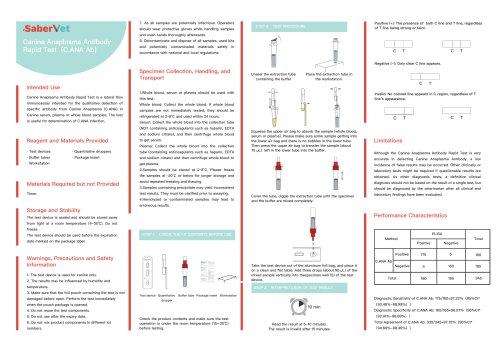
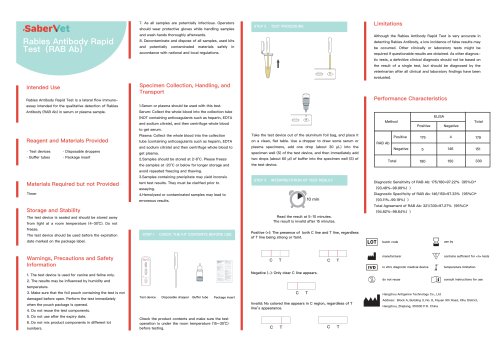
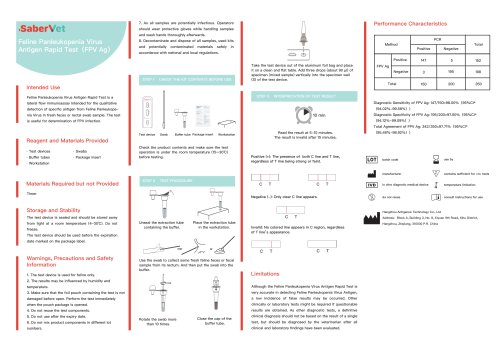
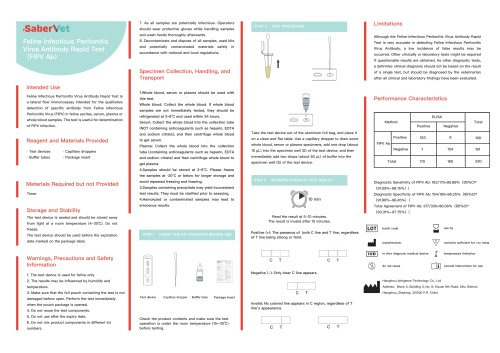
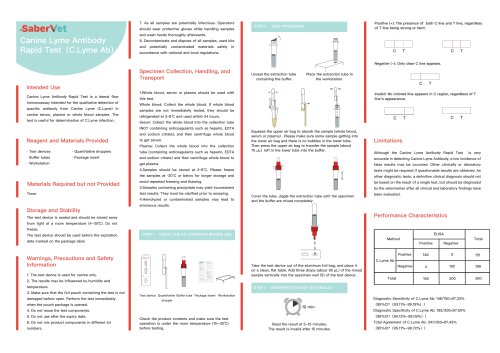
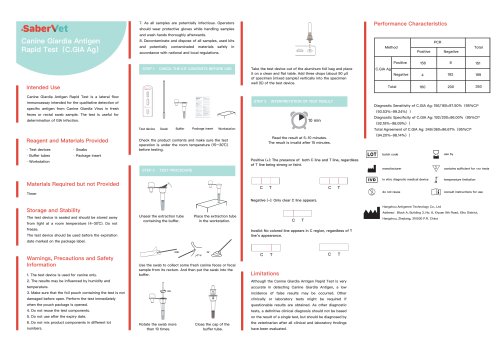
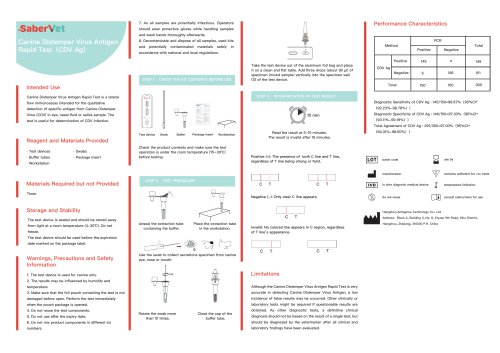
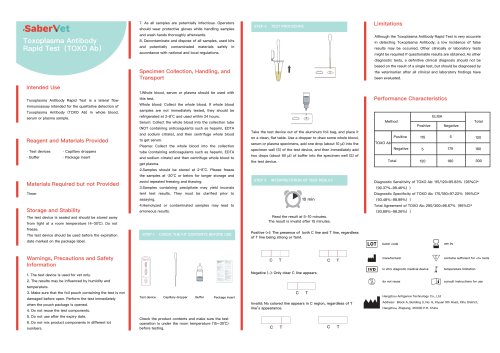
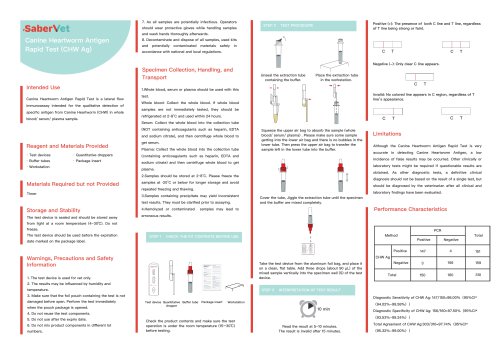
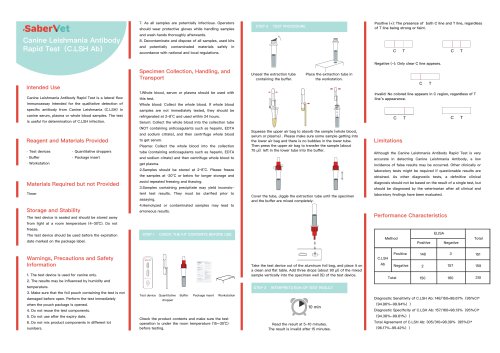
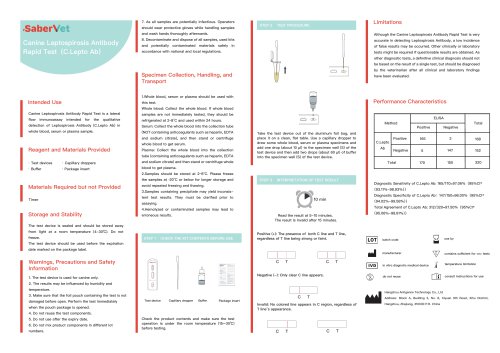
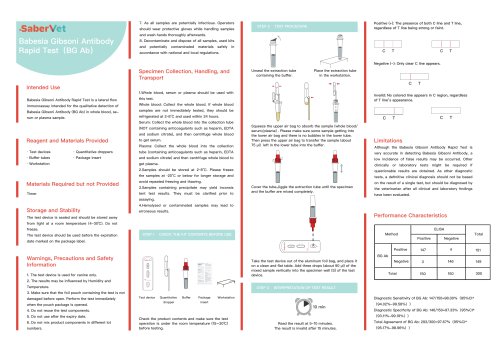
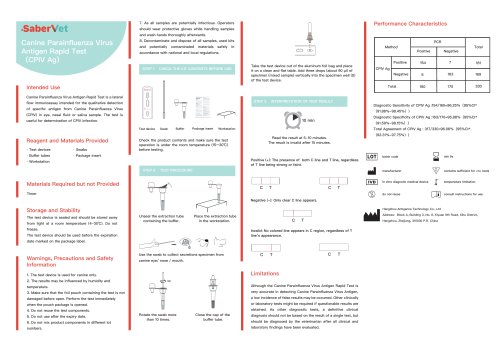
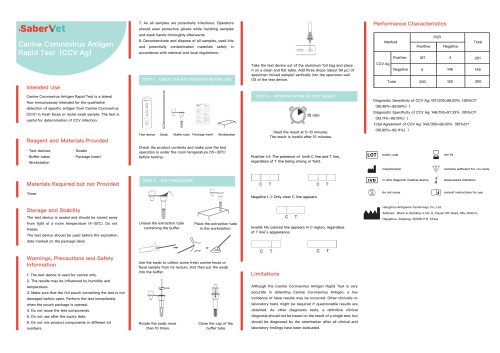
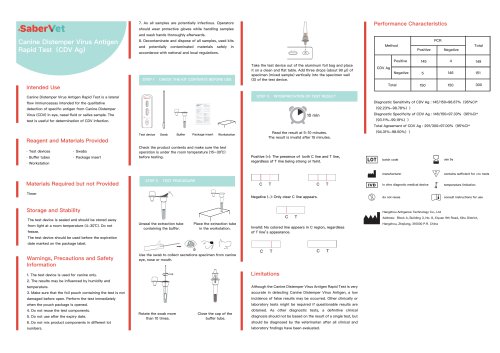
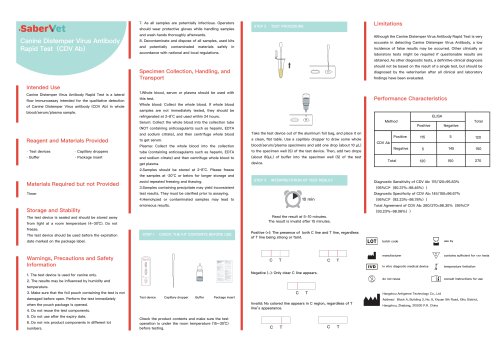
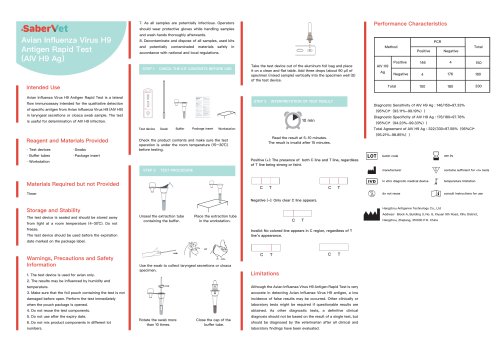
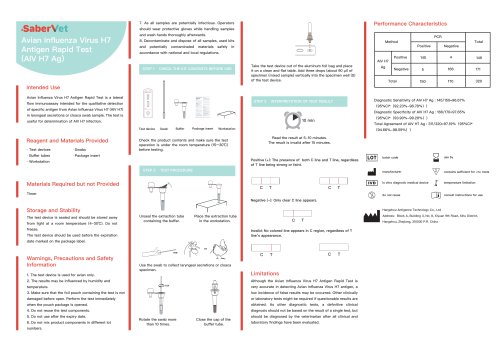
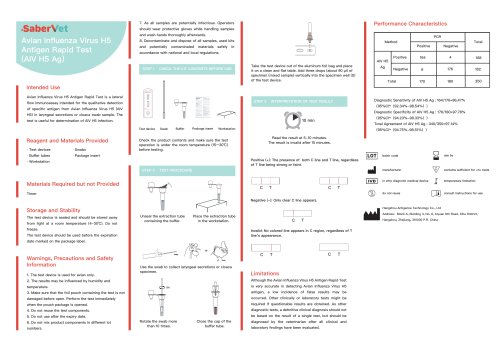
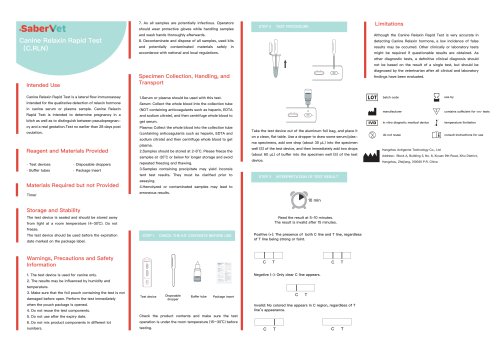
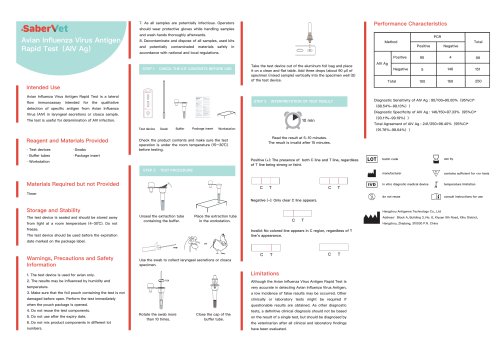
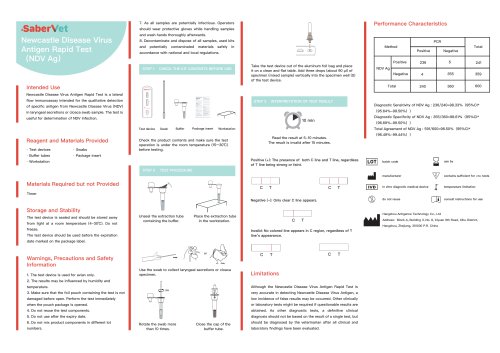
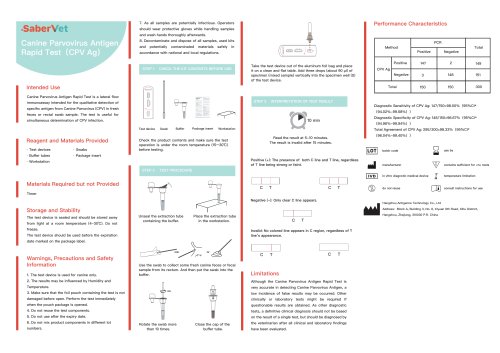
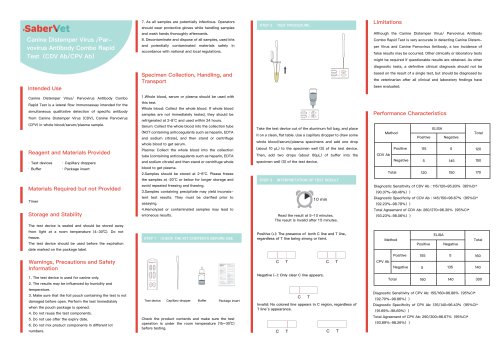
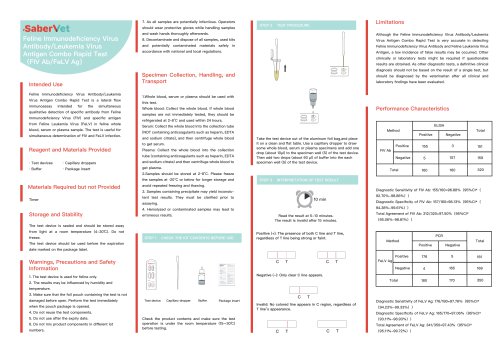
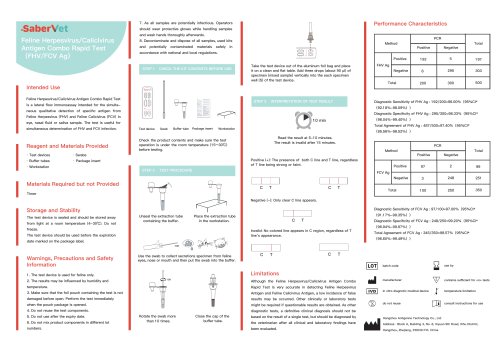
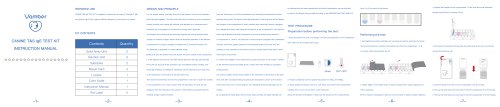
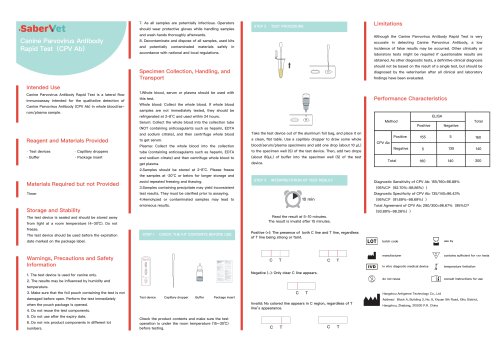
- Test Procedures: The document outlines the procedure for conducting tests, such as adding a specific volume of specimen and buffer to the test device.
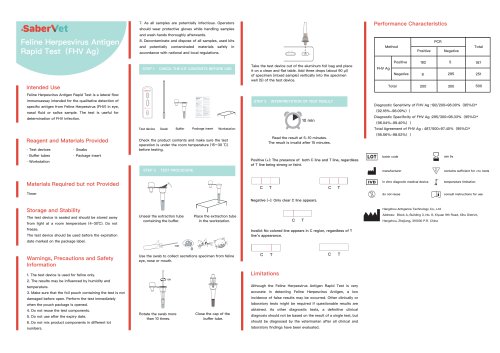
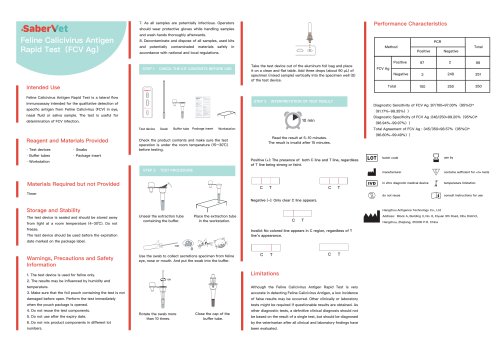
- Test Types and Codes: A detailed list of rapid tests is provided, each with a unique code. These include tests for canine diseases like Babesia Gibsoni, Canine Pancreatic Lipase, and Canine Fecal Occult Blood, among others. Feline tests include those for Herpesvirus, Calicivirus, and Panleukopenia Virus. Swine and bovine tests are also mentioned.
- Substances Affecting Test Results: The document notes that the intake of vitamin C or other reducing agents may affect the results of fecal occult blood tests.
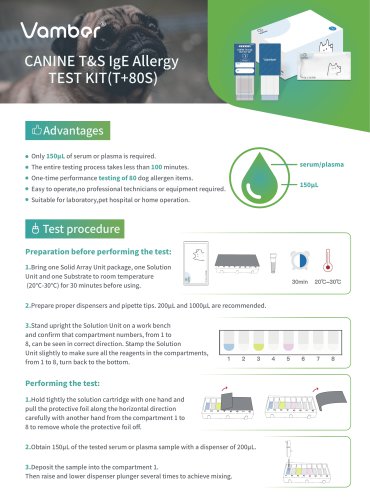
- Specimen Requirements: Tests require specific types of specimens such as whole blood, serum, plasma, feces, or secretions.
- Volume Specifications: Precise volumes of specimens and buffers are necessary for accurate test results.
- Animal-Specific Tests: The document categorizes tests based on the animal species, ensuring targeted diagnostics.
Catalog excerpts
Canine Feline Porcine Bovine ITOeri Hangzhou Antigenne Technology Co., Ltd
Open the catalog to page 2
Hangzhou Antigenne Technology Co., Ltd was established in 2018. it is located in the Zijingang Science & Technology City which is the “East Head” of Hangzhou West Science and Technology Innovation Corridor. The company is dedicated to working for animal well-being and expecting to be a leading corporation in animal health industry in the world. In the past 5 years, Antigenne has been dedicated to developing fast, precise, easy-operated and innovative diagnostic products and solutions. At present, based on a strong research capability and bold innovation, the company has already developed various...
Open the catalog to page 3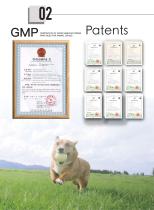
CERTIFICATE OF GOOD MANUFACTURING PRACTICES FOR ANIMAL DRUGS : ilk Ss: , MANUFACTURER: Hangzhou Antigenne Technology Co., Ltd Floor 6, Block A, Building 3, No. 8, Xiyuan 9th Road, Xihu District ,= I Hangzhou, Zhejiang, 310030 P.R. China Molecular biology diagnostic Products (Class B), Immunological I diagnostic Products (Class B) This is to certify that the above manufacturer complies with the | requirements of Chinese Good Manufacturing Practices for Animal i Drugs.
Open the catalog to page 4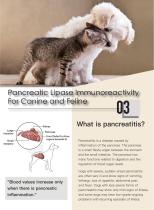
Pancreatic Lipase Immunoreactivity For Canine and Feline "Blood values increase only when there is pancreatic inflammation." What is pancreatitis? Pancreatitis is a disease caused by inflammation of the pancreas. The pancreas is a small fleshy organ between the stomach and the small intestine. The pancreas has many functions related to digestion and the regulation of blood sugar levels. Dogs with severe, sudden-onset pancreatitis are often very ill and show signs of vomiting, lethargy, loss of appetite, abdominal pain, and fever. Dogs with less severe forms of pavncreatitis may show only mild...
Open the catalog to page 5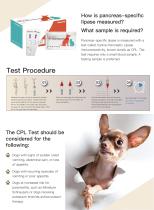
How is pancreas-specific lipase measured?What sample is required? Pancreas-specific lipase is measured with a test called Canine Pancreatic Lipase immunoreactivity, known simply as CPL. The test requires only a small blood sample. A fasting sample is preferred. The CPL Test should be considered for the following: Dogs with signs of sudden onset vomiting, abdominal pain, or loss of appetite. Dogs with recurring episodes of vomiting or poor appetite. Dogs at increased risk for pancreatitis, such as Miniature Schnauzers or dogs receiving potassium bromide anticonvulsant therapy.
Open the catalog to page 6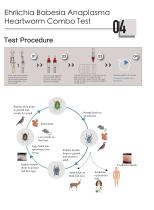
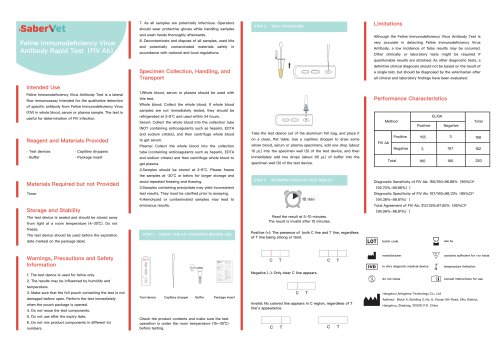
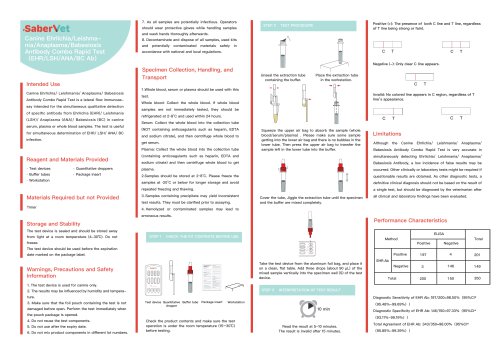
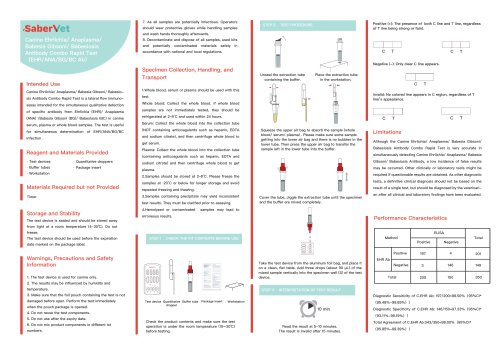
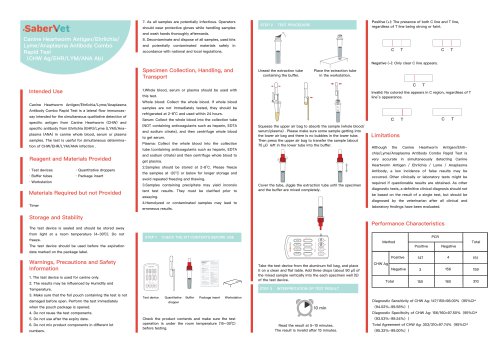
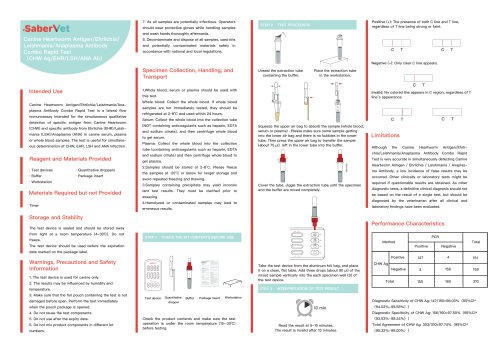
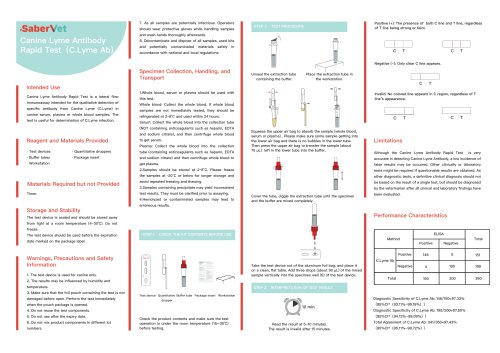
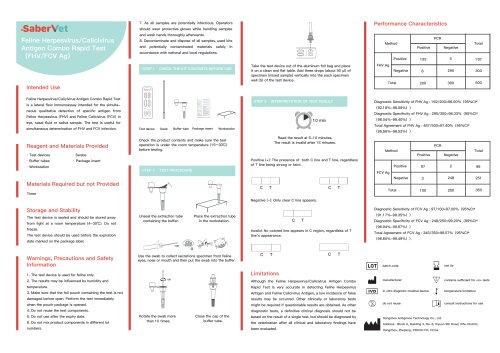
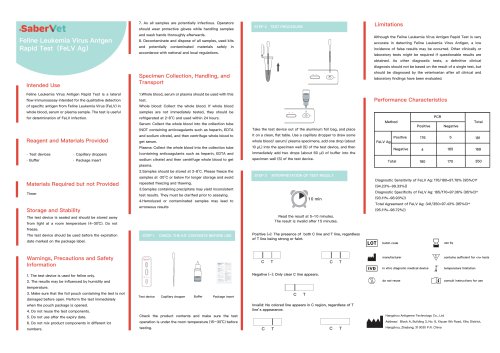
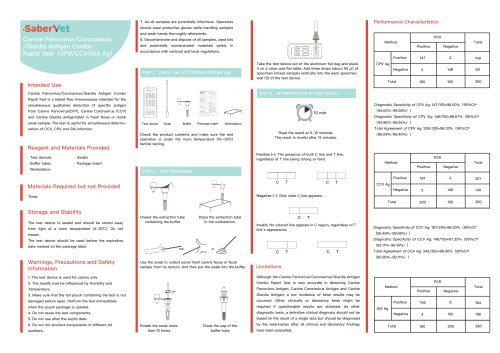
>> Use a quantitative dropper to draw some whole blood /serum/plasma specimens, add one drop(about 75ul) into the buffer. Cover the tube.Jiggle the extraction tube until the specimen and the buffer are mixed completely. Take the test device out of the aluminum foil bag, and place it on a clean.flat table. Add three drops (about 90ul) of the mixed sample vertically into the specimen well(S) of the test device. Read the result in 10 minutes. The result is invalid after 15 minutes. host Erythema migrans
Open the catalog to page 7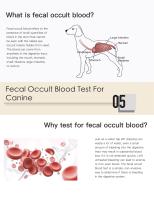
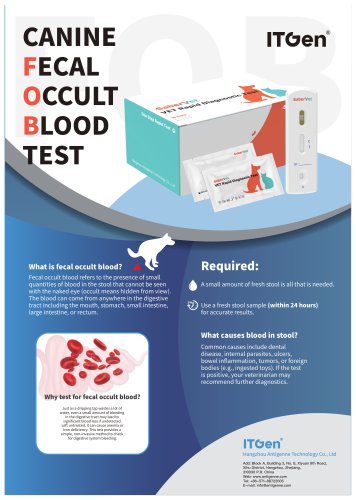
Fecal occult blood refers to the presence of small quantities of blood in the stool that cannot be seen with the naked eye (occult means hidden from view). The blood can come from anywhere in the digestive tract, including the mouth, stomach, small intestine large intestine, or rectum. Fecal Occult Blood Test For CanineWhy test for fecal occult blood? Just as a water tap left dripping can waste a lot of water, even a small amount of bleeding into the digestive tract may result in substantial blood loss if it is not detected quickly. Left untreated bleeding can lead to anemia or iron-poor blood....
Open the catalog to page 8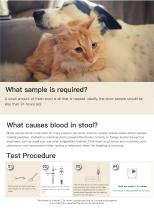
What sample is required? A small amount of fresh stool is all that is needed. Ideally, the stool sample should be less than 24 hours old. Blood can be found in the stool for many reasons, but some common causes include severe dental disease, internal parasites, stomach or intestinal ulcers, bowel inflammation, tumors, or foreign bodies the pet has swallowed, such as small toys and other indigestible material. If the fecal occult blood test is positive, your veterinarian may recommend further testing to determine where the bleeding is occurring. The intake of vitamin C or other substances that...
Open the catalog to page 9
Both feline leukemia virus (FelV) and feline immunodeficiency virus (FIV) are retroviruses. Unlike some forms of virus that infect cells and then kill them, retroviruses actually alter the genetic material of the infected cell and turn cells into little virus factories, This process takes time, so in both case cats may be infected for many years before becoming clinically ill. <*>>>>> Use a capillary dropper to draw some whole blood/serum/plasma specimens and add one drop (about 10 pi) to the specimen well (S) of the test device.
Open the catalog to page 10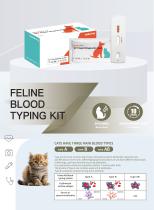
CATS HAVE THREE MAIN BLOOD TYPES Type A is the most common blood type, followed by type B, AB bloodis extremely rare, and Mik blood is even rarer. Differentgeographical locations of cats have different blood types. Unlike dogs, cats have naturally occurring antibodies. It is produced by colostrum acquisition withinl-3 months after birth. The plasma of type A cats contains weak anti-B antibodies. Type B cat plasma contains strong anti-A antibody. Feline AB Blood typing system
Open the catalog to page 11
Antigenne Swine Diagnostic Test provide proven solutions to manage wine health and productivity with a broad line of highly accurate diagnostic rapid test. Early endosome Multivesicular late endosome Product Display
Open the catalog to page 12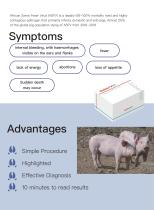
African Swine Fever Virus (ASFV) is a deadly (95-100% mortality rate) and highly contagious pathogen that primarily infects domestic and wild pigs, Almost 25% of the global pig population dying of ASFV from 2018-2019. Internal bleeding, with haemorrhages visible on the ears and flanks Advantages Simple Procedure Highlighted Effective Diagnosis 10 minutes to read results
Open the catalog to page 13
Bovine Brucella Antibody Rapid Test Brucellosis in cattle is a disease caused by Brucella abortus (B. abortus), a facultative, intracellular bacterium. The major mode of disease transmission is ingestion of B. abortus organisms that maybe present in tissues of aborted fetuses, fetal membranes and uterine fluids. In addition, infection may occur as the result of cattle ingesting B. abortus-contaminated feed or water. Infection in cows has also occurred through venereal transmission of the organism by infected bulls. Abortion is the outstanding clinical feature of the disease. If the carrier state...
Open the catalog to page 14All Hangzhou Antigenne Technology Co. Ltd catalogs and technical brochures
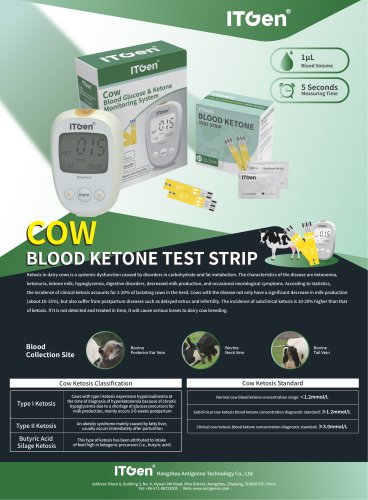 牛血酮
牛血酮1 Page
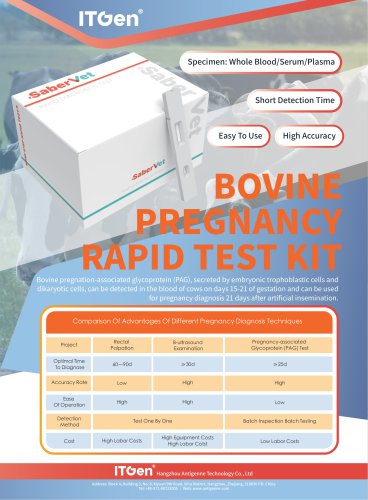 Sabervet PAG
1 Page
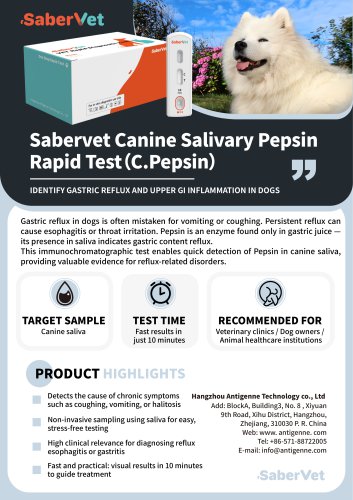 Sabervet C.Pepsin
1 Page
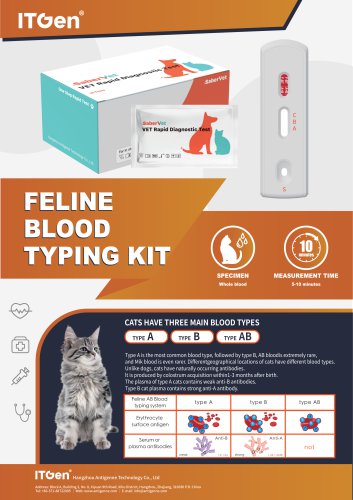 Sabervet FBT Test
1 Page
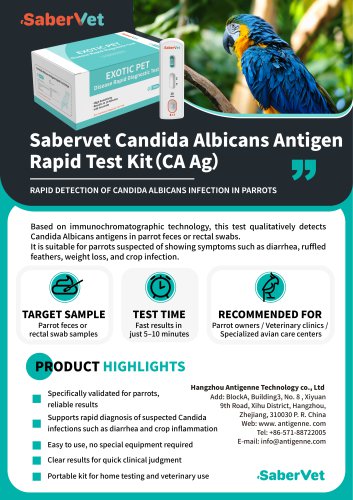 赛博-CA Ag白色念珠菌
1 Page
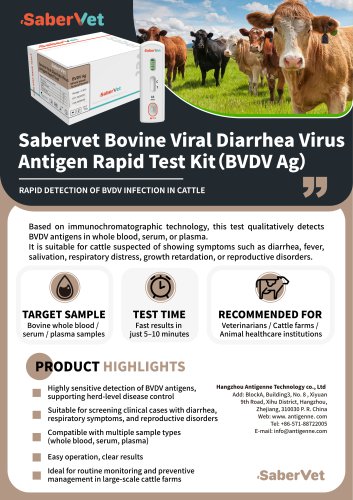 赛博-BVDV Ag宣传彩页
1 Page
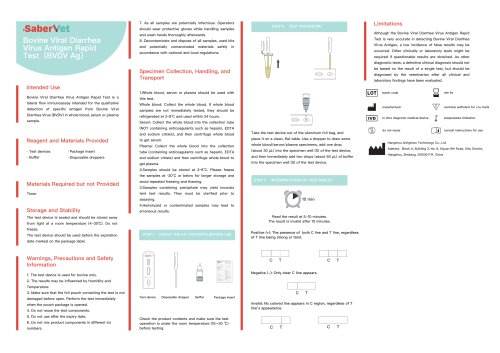 BVDV Ag
1 Page
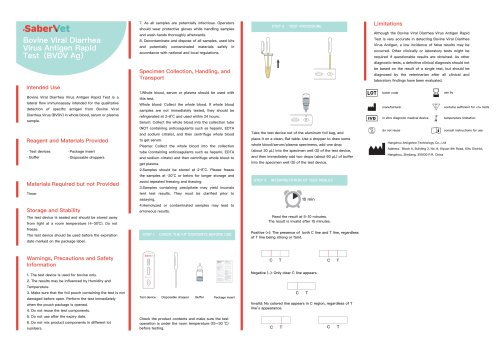 BVDV Ag
1 Page
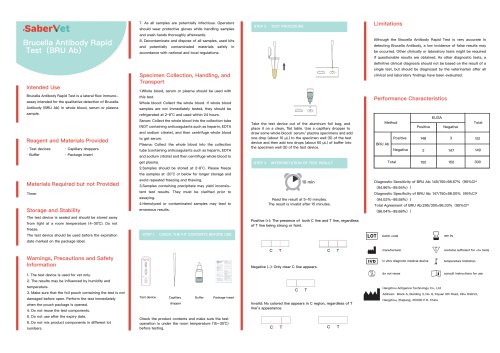 BRU Ab
1 Page
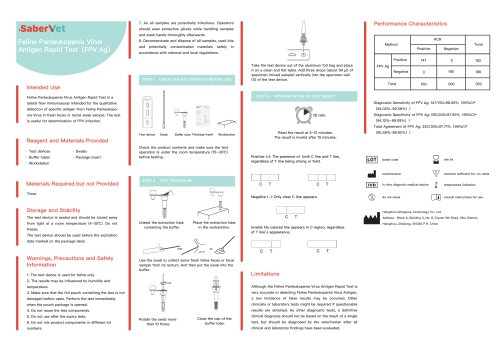
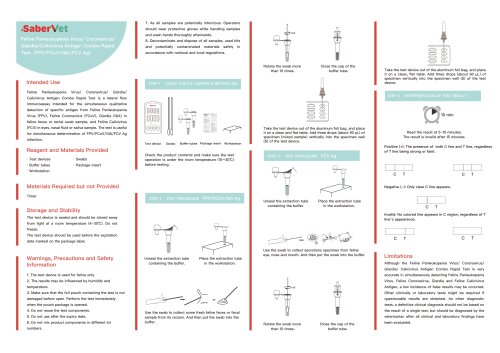 FPV FCoV GIA FCV Ag
2 Pages
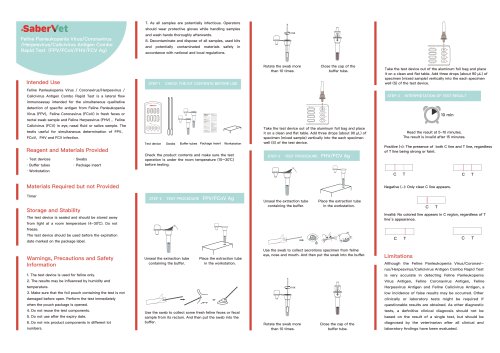 FPV FCoV FHV FCV Ag
2 Pages
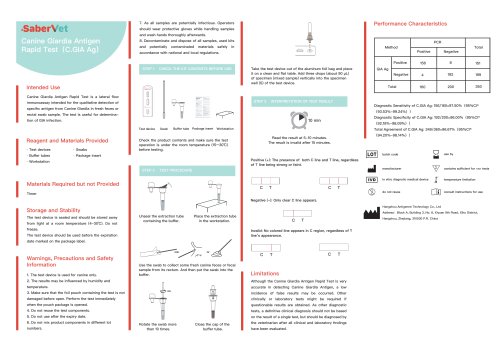
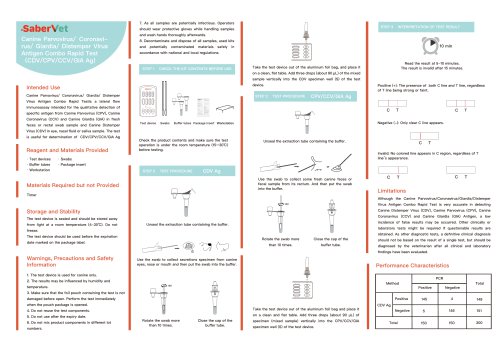 CDV CPV CCV GIA Ag
2 Pages
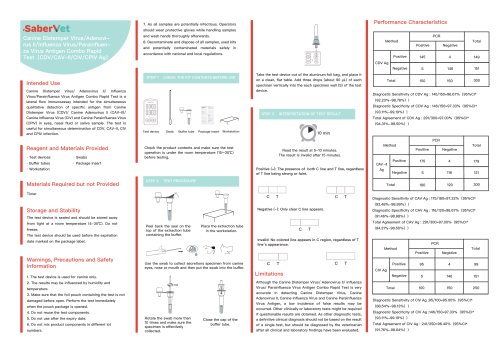 CDV CAV-II CIV CPIV Ag
2 Pages
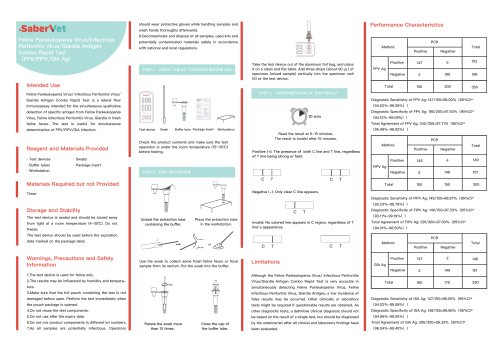 FPV FIPV GIA Ag
2 Pages
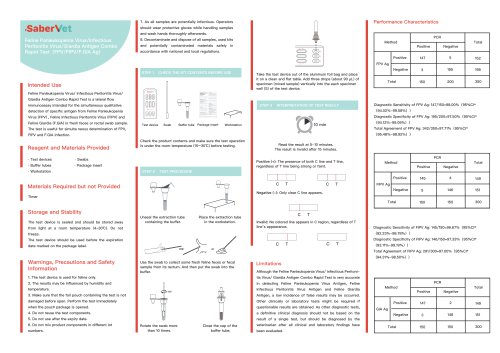 FPV FIPV F.GIA Ag
2 Pages
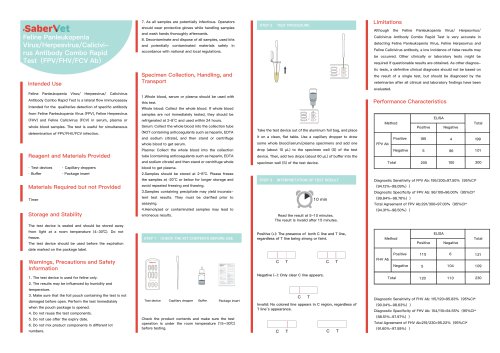 FPV FHV FCV Ab
2 Pages
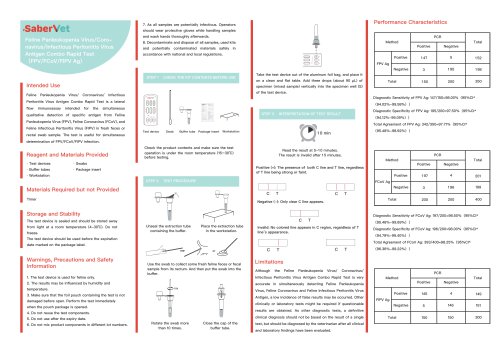 FPV FCoV FIPV Ag
2 Pages
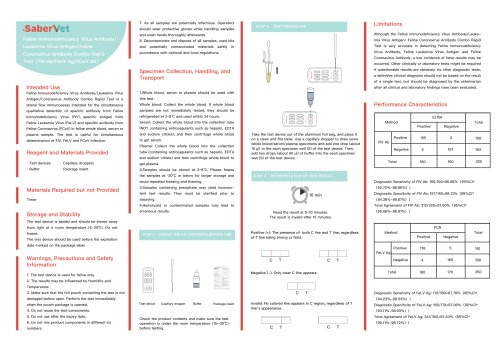 FIV Ab FeLV Ag FCoV Ab
2 Pages
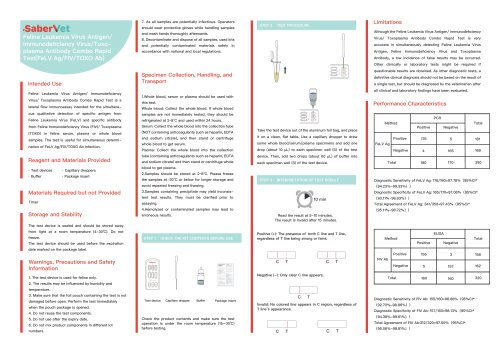 FeLV Ag FIV TOXO Ab
2 Pages
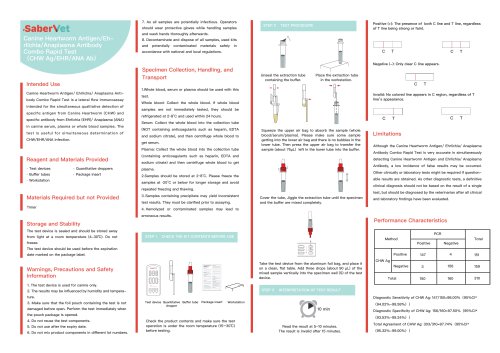 CHW Ag EHR ANA Ab
2 Pages
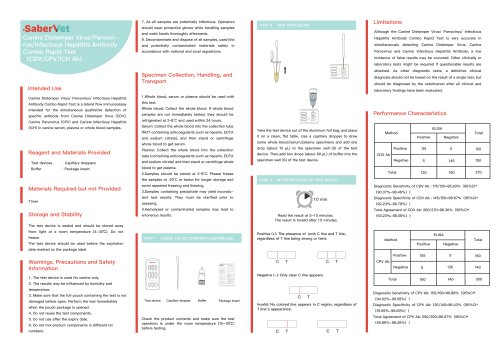 CDV CPV ICH Ab
2 Pages
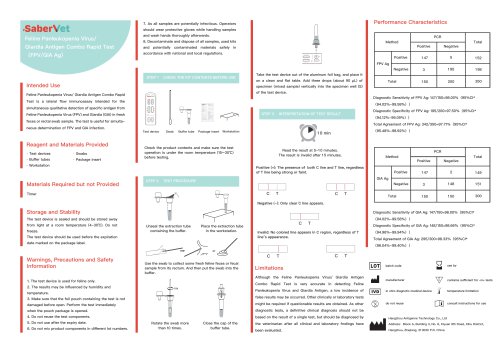 FPV GIA Ag
1 Page
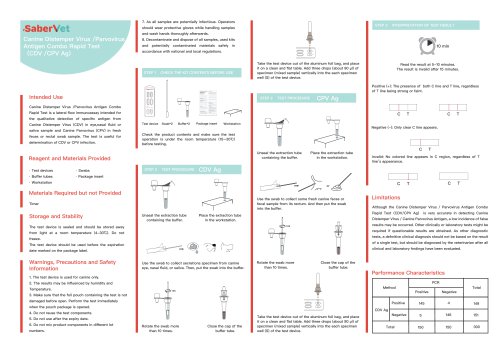 CDV CPV Ag
1 Page
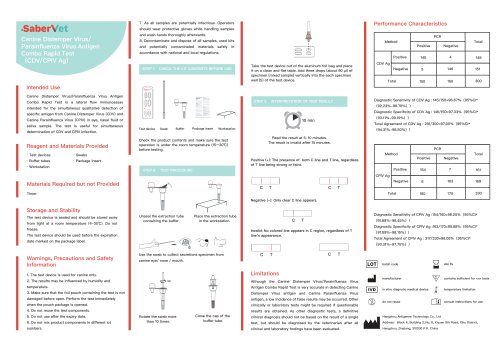 CDV CPIV Ag
1 Page
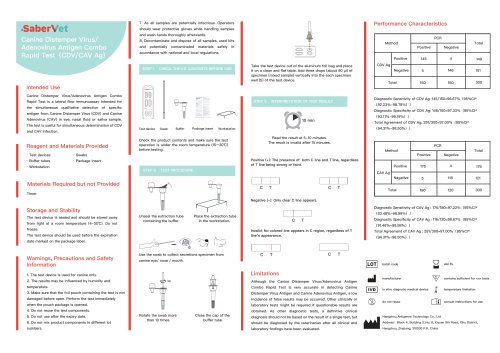 CDV CAV Ag
1 Page
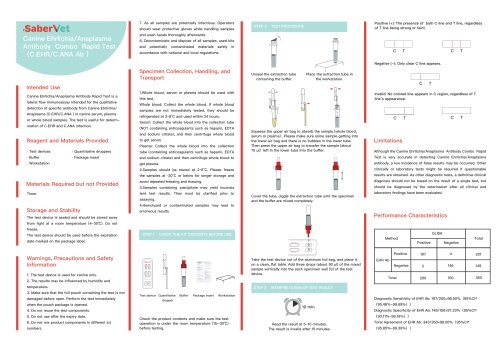 C.EHR C.ANA Ab
1 Page
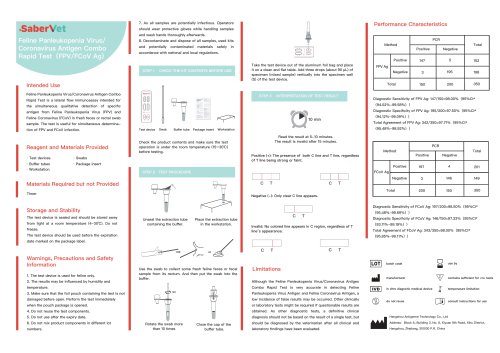 FPV FCoV Ag
1 Page
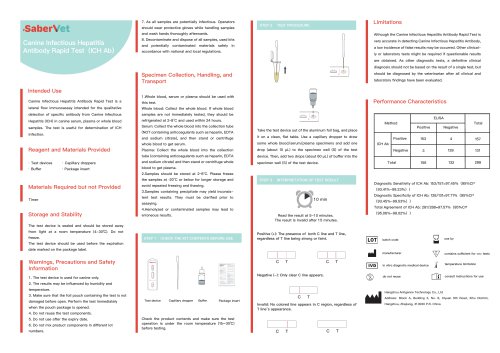 ICH Ab
1 Page
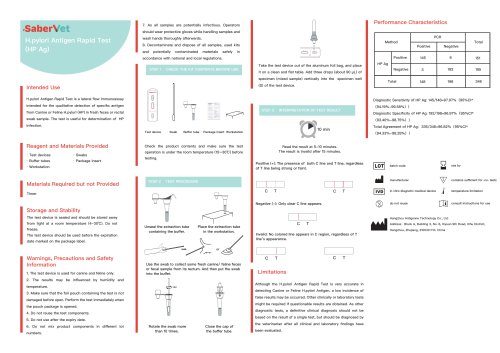 HP Ag
HP Ag1 Page
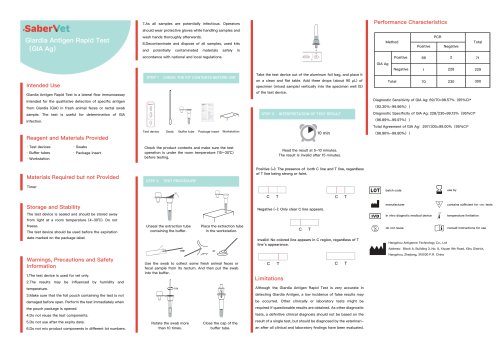 GIA Ag
1 Page
 FPL
FPL1 Page
 FHV Ab
1 Page
 FCV Ab
1 Page
 FCoV Ab
1 Page
 F.IgE
F.IgE1 Page
 F-BT A+B
1 Page
 CRV Ag
1 Page
 CAV Ag
1 Page
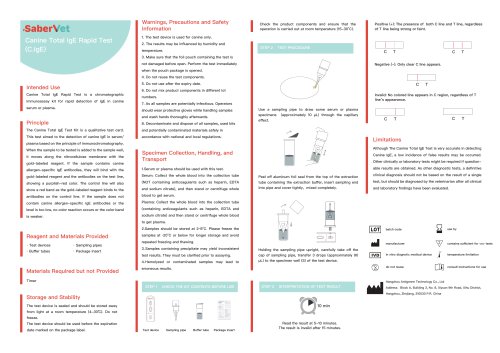 C.IgE
C.IgE1 Page
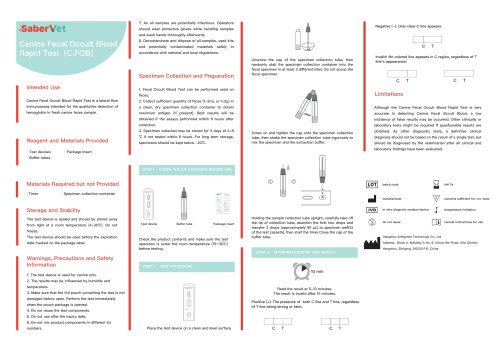 C.FOB
C.FOB1 Page
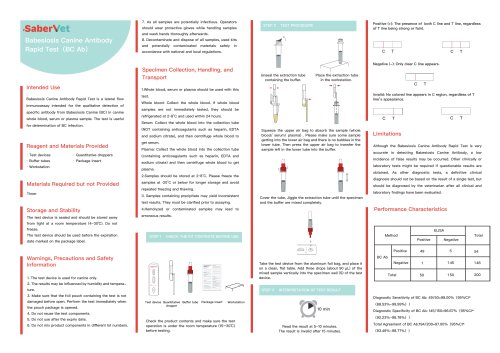 BC Ab
BC Ab1 Page
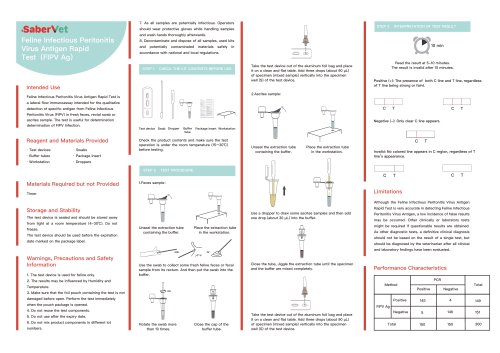 FIPV Ag
1 Page
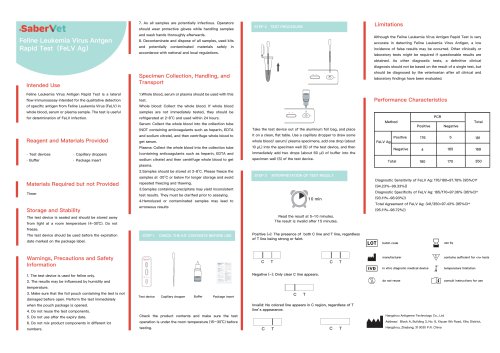 FeLV Ag
1 Page
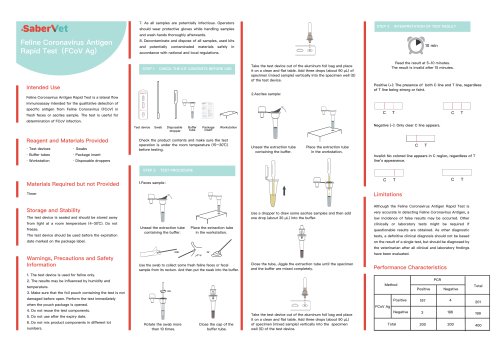 FCoV Ag
1 Page
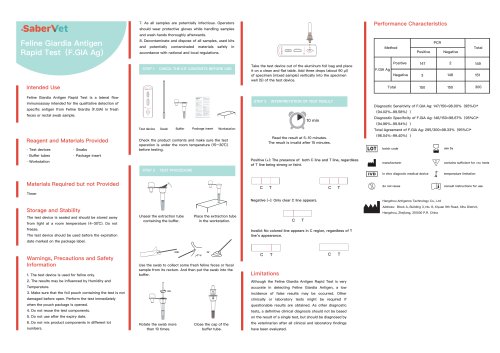 F.GIA Ag
1 Page
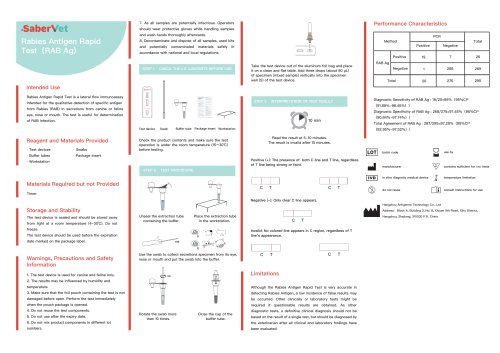 RAB Ag
1 Page
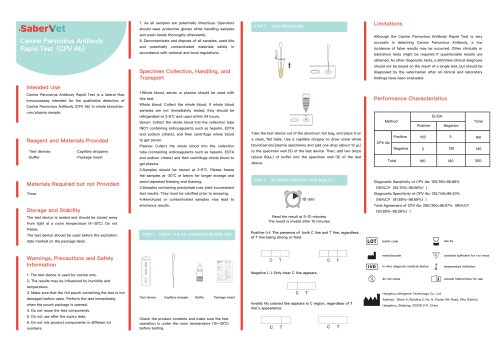 CPV Ab
1 Page
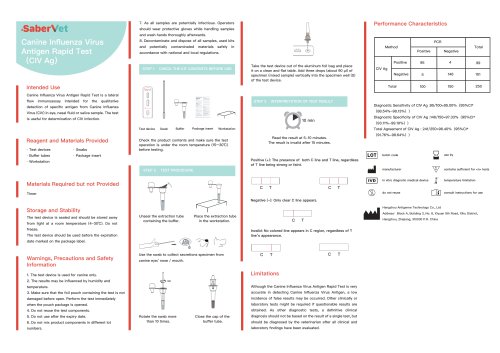 CIV Ag
1 Page
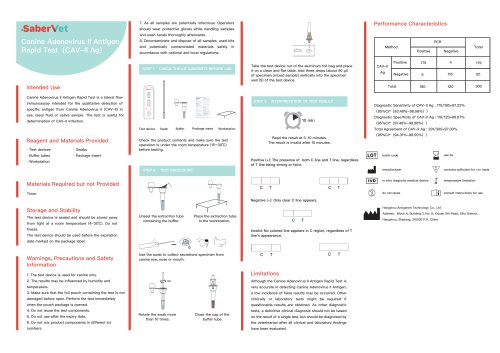 CAV-II Ag
1 Page
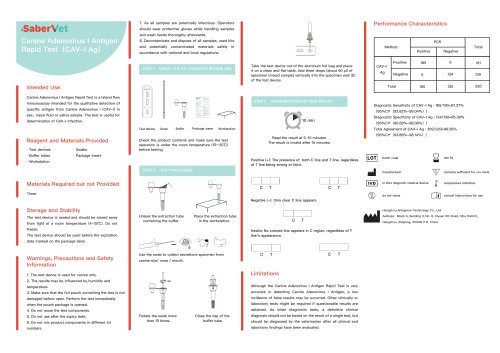 CAV-I Ag
1 Page
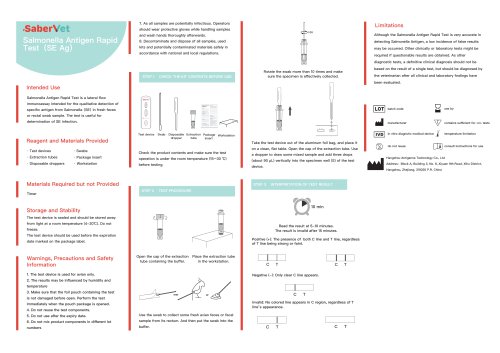 SE Ag
SE Ag1 Page
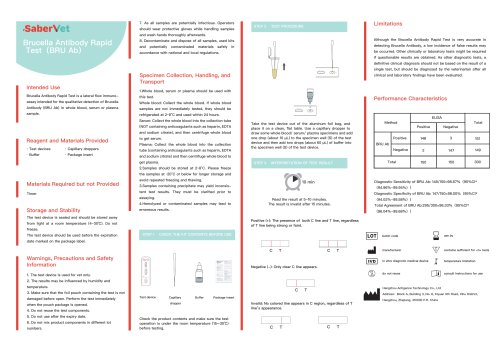 BRU Ab
1 Page
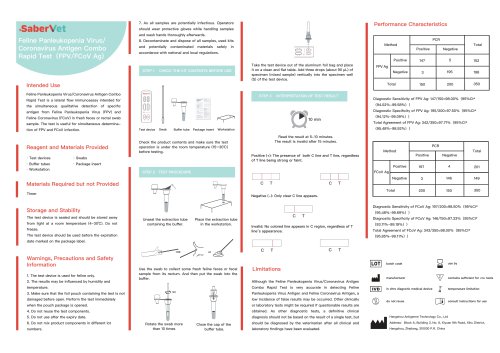 FPV/FCoV Ag
1 Page
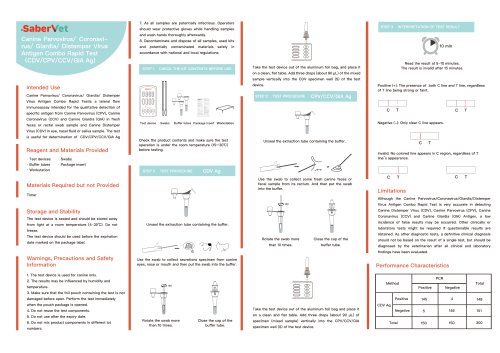 CDV CPV CCV GIA Ag
2 Pages
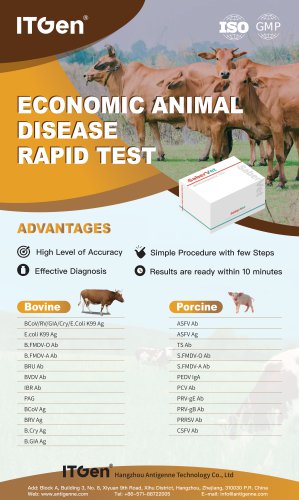 Livestock catalog
1 Page
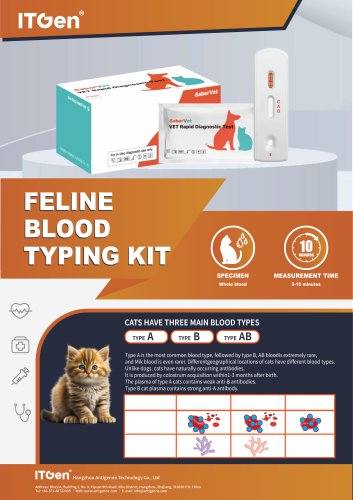 FELINE BLOOD TYPING KIT
1 Page
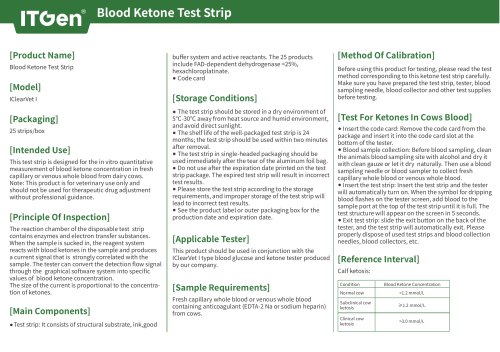
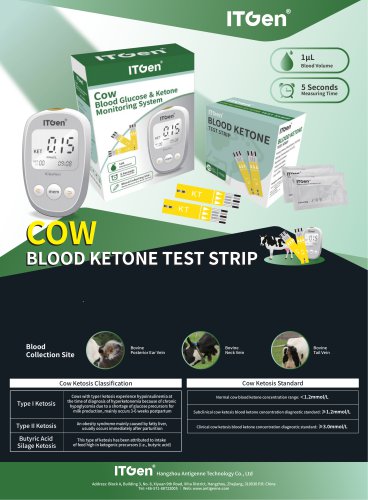 COW BLOOD KETONE TEST STRIP
2 Pages
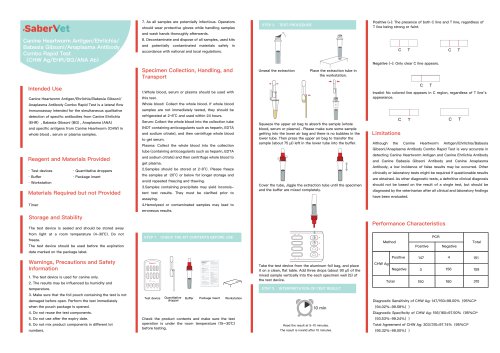
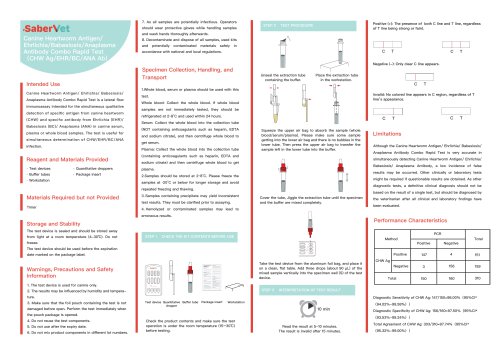
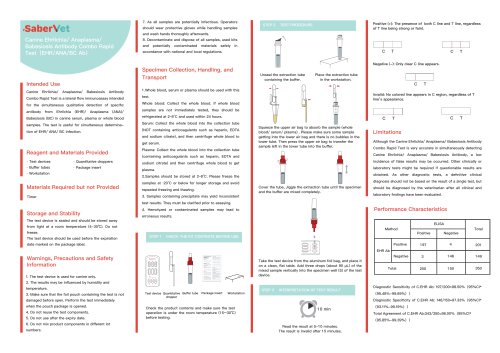
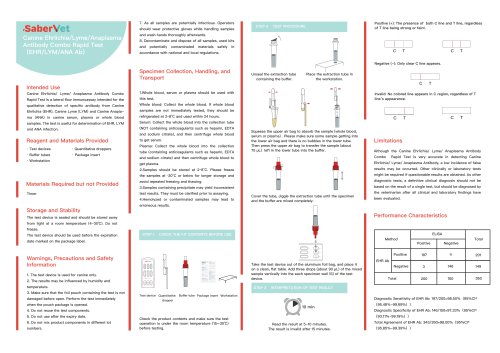
- Detection kit
- Blood detection kit
- Serum detection kit
- Immunoassay detection kit
- Rapid chromatographic immunoassay test
- Plasma detection kit
- Blood rapid screening test
- Cassette rapid test
- Immunoassay rapid diagnostic test
- Rapid serum test
- Rapid plasma test
- Rapid virus test
- Thermometer
- Rapid whole blood test
- Rapid infectious disease test
- Optical test kit
- Digital thermometer
- Cassette detection kit
- Rapid respiratory disease test
- Urine rapid diagnostic test