
- Catalogs
- HYZMED Medical
- sterilization container


- Company
- Products
- Catalogs
- News & Trends
- Exhibitions
sterilization container
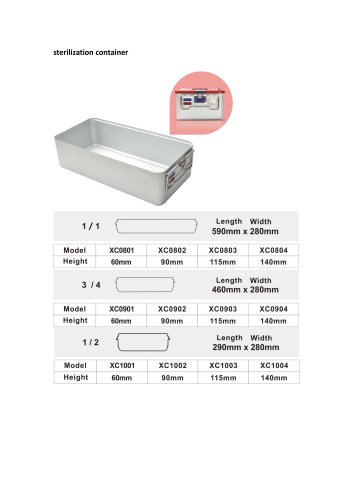
1 / 1 PageView full catalog
sterilization container
Product catalog summary
Sterilization Container Overview
Sterilization containers are specialized devices used to securely hold surgical instruments and medical tools during sterilization processes. They ensure the maintenance of sterility until the point of use.
Specifications
- Material: Typically made from stainless steel or high-grade aluminum to withstand high temperatures and repeated sterilization cycles.
- Design: Containers feature perforated lids or walls to allow steam or sterilizing agents to penetrate effectively.
- Sealing Mechanism: Equipped with gasket seals to maintain sterility post-sterilization.
- Compatibility: Designed to be compatible with standard sterilizers such as autoclaves and low-temperature sterilizers.
Procedures
- Loading: Instruments must be arranged to allow maximum exposure to sterilizing agents.
- Sealing: Containers should be properly sealed with intact gaskets before sterilization.
- Sterilization Cycle: Follow manufacturer-recommended parameters for temperature, pressure, and duration.
- Post-Sterilization Handling: Containers must be handled with sterile gloves and stored in a clean environment.
Standards and Norms
- Compliance with ISO 11607 for packaging materials and systems for terminally sterilized medical devices.
- Adherence to AAMI ST79 guidelines for steam sterilization and sterility assurance.
- Regular inspection and maintenance to ensure container integrity and gasket condition.
Recommendations and Best Practices
- Routine validation of sterilization cycles using biological indicators.
- Periodic replacement of gaskets to prevent contamination.
- Training personnel on proper loading and handling techniques.
- Documentation of sterilization parameters and container maintenance.
Summary of Key Parameters
| Parameter | Typical Value/Requirement |
|---|---|
| Material | Stainless steel or aluminum |
| Temperature Range | 121°C to 134°C for steam sterilization |
| Pressure | 15 to 30 psi (pounds per square inch) |
| Sterilization Duration | 15 to 30 minutes depending on cycle |
| Gasket Replacement Interval | Every 6 to 12 months or as needed |
This structured approach ensures the effective sterilization and maintenance of surgical instruments, minimizing infection risks and ensuring patient safety.
See more
Catalog excerpts
sterilization container
Open the catalog to page 1All HYZMED Medical catalogs and technical brochures
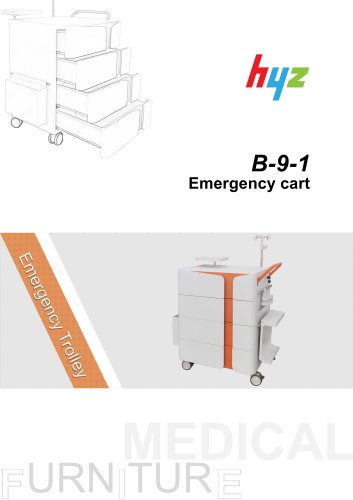 Emergency trolley
6 Pages
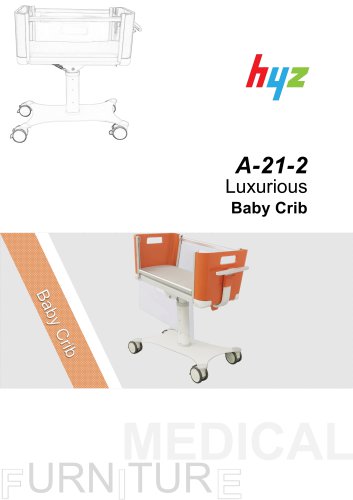 Baby Crib
5 Pages
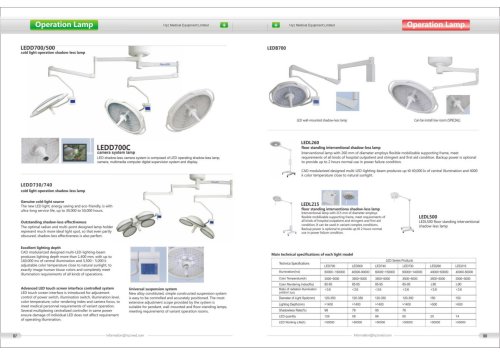 Surgical light
3 Pages
 Patient monitor
6 Pages
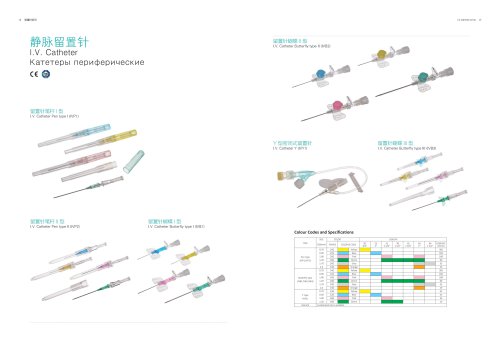 Needle IV catheter
4 Pages
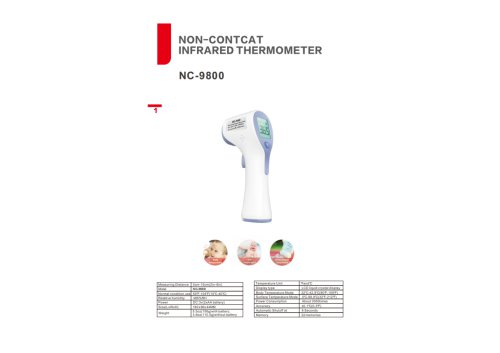 theremometer
2 Pages
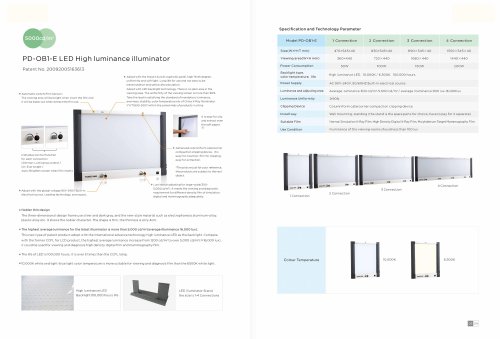 X-ray film viewer
4 Pages
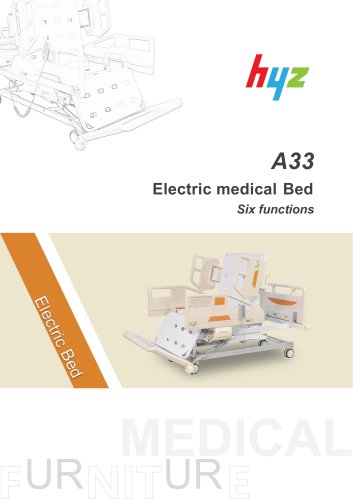 Six function electric bed
6 Pages
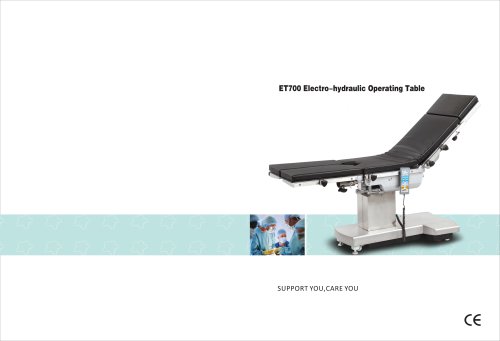 Operating table ET700
6 Pages
 Hospital bed C-4
6 Pages
 Brochure for OR room
6 Pages
 Hospital bed Z-D-4
4 Pages
 Hospital bed Z-C3
4 Pages
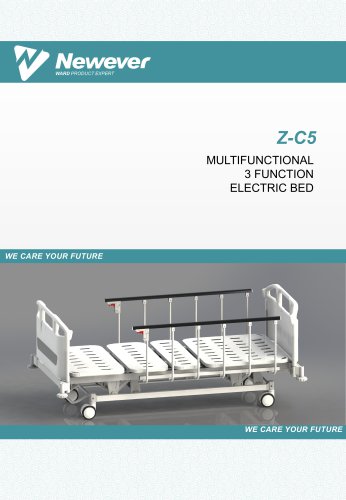 Hospital bed Z-C5
4 Pages
 Hospital bed Z-D-5
4 Pages
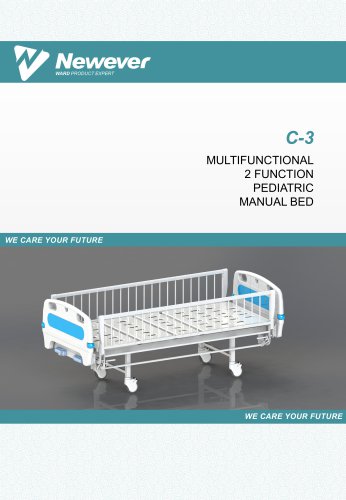 Hospital bed C-3
6 Pages
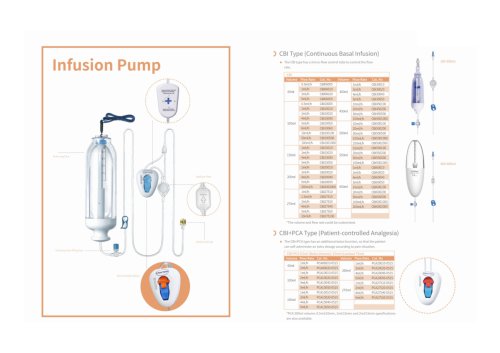 infusion pump
2 Pages
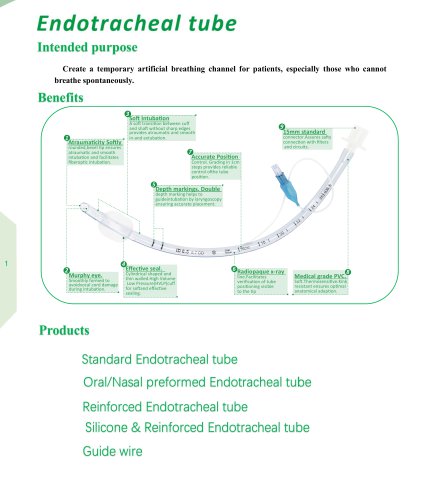 endotracheal tube
8 Pages
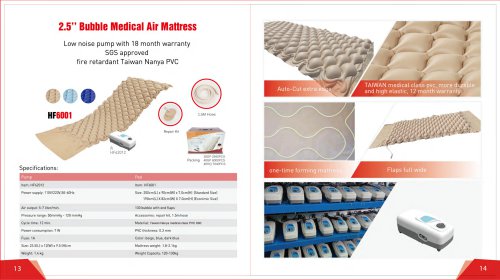 Mattress
2 Pages



Related Searches
- Medical dolly
- Orthopedic immobilization
- Hospital bed
- Examination couch
- Logistics trolley
- Catheter
- Wheelchair
- Outdoor wheelchair
- Hospital wardrobe
- Surgical lighting system
- Anodized aluminum trolley
- Inclinable bed
- Height-adjustable examination couch
- Steam sterilizer
- LED surgery light
- Wheelchair with legrest
- Trolley with tray
- Manual wheelchair
- Plastic trolley
*Prices are pre-tax. They exclude delivery charges and customs duties and do not include additional charges for installation or activation options. Prices are indicative only and may vary by country, with changes to the cost of raw materials and exchange rates.
About MedicalExpo
MedicalExpo is a marketplace that offers B2B players a complete experience, from product sourcing to purchase. MedicalExpo is an entity of VirtualExpo Group.
Are you a buyer?
Are you a supplier?