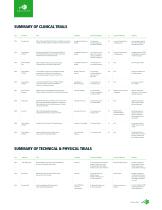
Overview: This document compiles various clinical, technical, and physical trials related to Celliant® materials, focusing on their effects on pain, strength, and physiological parameters. The studies involve different applications of Celliant® fibers, including apparel and bedding, and their impact on health metrics such as transcutaneous oxygen pressure (tcPO2), grip strength, and sleep quality.
Clinical Trials:- Effect on Pain and Strength: A study on subjects with chronic elbow and wrist pain showed that Celliant® materials could improve grip strength and reduce pain.
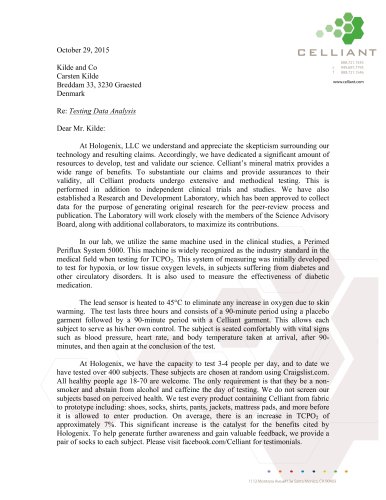
- Transcutaneous Oxygen Pressure: Trials demonstrated that Celliant® socks increased tcPO2 in diabetic patients, suggesting improved blood flow and oxygenation.
- Sleep Disturbances: A double-blind trial indicated that mattress covers made from optically modified polyethylene terephthalate fibers improved sleep quality in patients with chronic back pain.
Technical Trials:- Infrared Emissivity: Studies on the infrared radiative properties of Celliant® fabrics showed increased emissivity, enhancing the fabric's ability to emit far-infrared radiation (FIR) when activated by body heat.
- Performance and Recovery: Apparel with FIR properties was found to decrease oxygen consumption during exercise, potentially benefiting athletic performance and recovery.
Key Findings:- Celliant® garments can significantly increase tcPO2 levels, enhancing oxygenation and potentially improving athletic performance and recovery.
- FIR-emitting fabrics have been shown to reduce pain and improve grip strength, suggesting applications in pain management and rehabilitation.
- Improved sleep quality and efficiency were observed with the use of Celliant® bedding materials.
Conclusion: The studies collectively suggest that Celliant® materials, through their FIR-emitting properties, can positively impact various health parameters, including pain reduction, improved oxygenation, and enhanced physical performance.
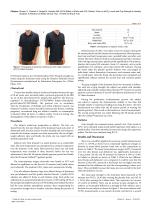
Introduction: The study investigates the effects of Far-Infrared Emitting Ceramic Fabric (CEL) shirts compared to control Polyester (PET) shirts on transcutaneous oxygen pressure (tcPO2) and oxygen saturation (O2sat) in subjects. The garments differ by the presence of ceramic particles in CEL shirts.
Methodology: Subjects were randomized to wear either PET or CEL shirts first, with tcPO2 measured at 30-minute intervals up to 90 minutes using Clark electrodes. The study also analyzed the impact of gender and garment donning sequence on tcPO2 and O2sat levels.
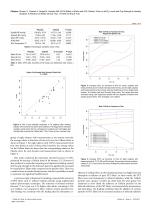
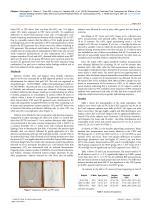
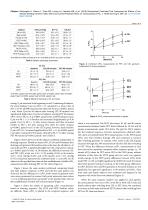
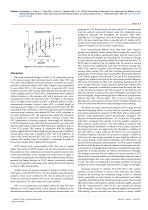
Results: - tcPO2 levels increased under both garments, with CEL showing a higher increase (5.5% at 30 minutes and 6.7% at 90 minutes).
- In subjects wearing CEL first, tcPO2 decreased after switching to PET, while those wearing PET first showed increased tcPO2 after switching to CEL.
- O2sat levels were higher after wearing CEL (98.5%) compared to PET (98.2%).
- Gender differences were noted, with more pronounced tcPO2 changes in women.
Discussion: The study suggests that CEL garments enhance tcPO2 and O2sat due to the ceramic particles' ability to absorb and re-emit infrared energy, potentially increasing skin and tissue oxygenation. The findings indicate a potential for CEL garments to improve wound healing, particularly relevant for diabetic patients.
Conclusion: FIR-emitting garments like CEL shirts have measurable physiological effects and warrant further study for medical applications, especially in improving skin and wound perfusion.
Ethics and Data Availability: The study was conducted following ethical guidelines, with informed consent obtained. Data from the study are not publicly available.
Introduction: The document discusses the impact of different types of socks on local transcutaneous oxygen partial pressure (TcpO2) at the foot dorsum. TcpO2 is a measure used to reflect capillary blood flow and microcirculation, particularly in the lower limbs.
Methodology: The study involves monitoring TcpO2 using a single-channel transcutaneous oxygen/carbon dioxide partial pressure tester (PF5040 TcpO2/pCO2) from PeriFlux 5000. Participants wore either control socks or subject socks made with Celliant® fibers, and TcpO2 was measured over a 45-minute period.
Results:- Overall Impact: Subject socks significantly improved TcpO2 compared to control socks, with an average TcpO2 of 73.28±14.93 mmHg for subject socks versus 62.60±15.69 mmHg for control socks.
- Gender Differences: No significant gender differences were observed in the impact of subject socks on TcpO2. Both men and women showed improved TcpO2 with subject socks.
- Statistical Analysis: Variance analysis confirmed the significant difference in TcpO2 between subject and control socks (P<0.01).
Discussion: The study suggests that subject socks with Celliant® fibers can enhance local microcirculation at the foot dorsum, potentially offering health benefits such as improved nutrient supply, reduced fatigue, and enhanced physical strength. The findings indicate no gender-specific differences in the efficacy of the socks.
Conclusion: Subject socks may serve as a functional health care product by improving microcirculation and TcpO2 at the foot dorsum, thereby supporting overall foot health and performance.
Introduction: Celliant® technology involves adding optically active particles to fibers, enhancing blood flow and oxygen levels in tissues. This study, led by Dr. Ian Gordon, involved 51 healthy participants to assess the efficacy of Celliant® garments in increasing transcutaneous partial pressure of oxygen (tcPO2), a measure of tissue perfusion and oxygenation.
Objectives: The study aimed to test if Celliant® garments could significantly influence tcPO2 over a 90-minute period compared to a baseline.
Materials and Methods: Participants: 51 healthy men and women, excluding smokers and recent drug users. Measurements were taken at the bicep after standard skin preparation. Methods: Baseline tcPO2 was recorded for 90 minutes, followed by another 90 minutes with a Celliant® shirt. Measurements were taken at 10, 30, and 90 minutes using a PeriFlux System 5000.
Statistical Analyses: Data were analyzed using ANOVA and paired t-tests. A p-value of less than 0.05 was considered significant. The study found a statistically significant increase in tcPO2 with Celliant® garments compared to baseline.
Results: The Celliant® condition showed a mean tcPO2 of 81.5 mmHg, significantly higher than the baseline of 76.6 mmHg, representing a 7% increase. The increase was consistent across all time points.
Conclusion: The study concluded that Celliant® garments significantly enhance tcPO2, indicating improved tissue oxygenation and perfusion. This supports the potential of Celliant® as a vasoactive material.
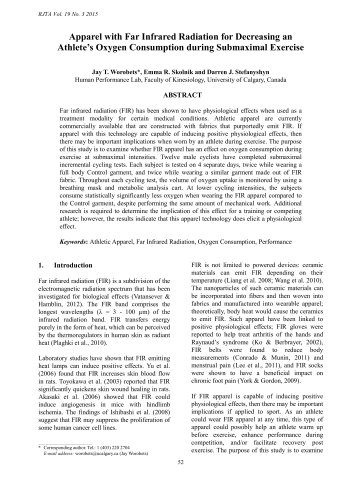
Introduction: Far infrared radiation (FIR) is a part of the electromagnetic spectrum known for its biological effects. FIR transfers energy as heat, which can be perceived by human skin. Studies have shown FIR's potential benefits, such as increased skin blood flow and wound healing. FIR can be emitted by ceramic materials, which can be incorporated into fabrics for apparel. This study investigates whether FIR apparel affects oxygen consumption during submaximal exercise.
Methods: The study involved 12 male recreational cyclists who underwent submaximal cycling tests. Each participant was tested four times: twice wearing a control garment and twice wearing FIR apparel. The FIR apparel was made from fabric embedded with ceramic nanoparticles. Oxygen consumption was monitored using a metabolic analysis cart, and blood lactate levels were measured. The tests were conducted at least 48 hours apart, and subjects maintained their usual physical activity and diet.
Results: The study found that at lower cycling intensities, subjects wearing FIR apparel consumed significantly less oxygen compared to when they wore the control garment. This suggests that FIR apparel may have a physiological effect on oxygen consumption during exercise.
Conclusion: The results indicate that FIR apparel can reduce oxygen consumption during submaximal exercise, potentially benefiting athletes by enhancing performance or aiding recovery. Further research is needed to explore the implications of these findings for athletic training and competition.
Keywords: Athletic Apparel, Far Infrared Radiation, Oxygen Consumption, Performance
Introduction: The study investigates the effects of optically modified polyethylene terephthalate (PET) fiber socks, specifically those incorporating Celliant™ particles, on chronic foot pain. The hypothesis is that these socks, by modifying skin illumination in the visible and infrared spectrum, could reduce pain associated with diabetic neuropathy and other disorders.
Methods: A double-blind, randomized trial was conducted with 55 subjects, including those with diabetic neuropathy and other pain etiologies. Participants were assessed using various pain questionnaires before and after wearing either control or Celliant™ socks. The study aimed to measure pain reduction through changes in questionnaire scores.
Results: Celliant™ socks showed more pain reduction in 8 out of 9 pain questions compared to controls, with significant differences noted in the McGill Pain Questionnaire. In non-neuropathic subjects, 8 out of 9 questions showed more pain reduction with Celliant™ socks. The study suggests a beneficial impact of Celliant™ socks on chronic foot pain, potentially due to enhanced tissue illumination.
Discussion: The study is the first to assess the impact of optically modified PET garments on pain. While a placebo effect was observed, Celliant™ socks generally resulted in greater pain reduction. The mechanism may involve increased transcutaneous oxygen tensions and improved microcirculation due to light interaction with Celliant™ particles.
Conclusion: Optically modified PET socks appear to have a positive effect on chronic foot pain, possibly through mechanisms involving light-induced vasodilation and enhanced tissue perfusion. Further studies with larger sample sizes are recommended to confirm these findings.
Study Overview: The study aimed to evaluate the effect of a product on transcutaneous oxygen levels compared to a placebo. The baseline atmospheric pressure was standardized at 20.9% of 760 mmHg to mitigate weather-related pressure variations. Humidity was not controlled during the study.
Methodology: Transcutaneous oxygen was measured continuously over a one-hour placebo evaluation period and a product trial period. Measurements were taken at random intervals on the dorsum of the foot and hand, with seven values recorded for two minutes each.
Preliminary Results: The study involved 13 subjects (4 females, 9 males) aged between 20.85 and 46.75 years, with a mean age of 32.12 years. Data was collected in two channels: Channel 1 (mid radial ulna region) and Channel 2 (Transmetatarsal region of the foot). The results showed a substantial increase in oxygen perfusion with the product compared to the placebo, except for three subjects (Nos: 1, 5, and 7). The increase in Channel 1 ranged from 0.00% to 53.02%, with a mean of 29.97%, excluding one subject with a negative increase.
Data Summary: The document includes detailed tables of mean PO2 values for each subject across different areas, comparing placebo and product trials. The data indicates varying levels of improvement in oxygen perfusion with the product.
Conclusions: The study concluded that the product generally increased oxygen perfusion compared to the placebo, with significant variations among subjects. The data supports the efficacy of the product in enhancing oxygen levels in the tested regions.
Objective: The study aims to evaluate changes in peripheral blood flow in the hands and feet of diabetic patients when wearing Holofiber garments. The expectation is that these garments will increase local tissue perfusion compared to baseline and control garments.
Study Design: A double-blind evaluation involving 20 diabetic subjects with vascular impairment. Subjects will serve as their own controls. Measurements of transcutaneous oxygen and laser Doppler flowometry will be taken over one hour while subjects wear Holofiber and placebo garments. Data will be analyzed at ten-minute intervals.
Inclusion Criteria: Diagnosed with Diabetes Mellitus (WHO criteria), aged 18-80.
Exclusion Criteria: Includes patients undergoing dialysis, with high serum creatinine, substance abuse history, receiving certain medications, or having specific medical conditions like active congestive heart failure or recent vascular surgery.
Methodology: The study uses the PeriFlux 5000 System for non-invasive vascular assessment, measuring transcutaneous oxygen pressure and laser Doppler flowmetry. Measurements are taken continuously and recorded at intervals.
Results: The study found a statistically significant increase in transcutaneous oxygen levels in both hands and feet when using Holofiber garments compared to placebo. However, laser Doppler studies did not show a significant difference in blood flow. The improvement in skin oxygenation could potentially enhance circulation, aiding wound healing and reducing ischemic pain.
Conclusion: Holofiber garments appear to increase oxygen perfusion levels by 10% to 24% in a healthy, non-compromised population, suggesting potential benefits for improving blood flow in diabetic patients.
Study Overview: This document presents a preliminary study on the effects of Holofiber on perfusion to the extremities, particularly in diabetic males with abnormal vascular examinations. The study compares the effects of Holofiber garments to placebo garments using paired T-tests and various measurement techniques.
Key Findings:- The paired T-test results indicate a statistically significant mean difference in transcutaneous oxygen measurements between Holofiber and placebo, with a T-value of -2.13 and a P-value of 0.039.
- Holofiber showed potential in improving perfusion, with some subjects experiencing significant increases in transcutaneous measurements.
- Limitations include the short duration of the study (one hour) and the lack of natural light exposure, which may affect Holofiber's efficacy.
Limitations and Recommendations:- The study is considered a pilot project, with recommendations to expand the study duration and include patients with more severe vascular impairments.
- Future research should focus on identifying the mechanism of action of Holofiber and its effects on specific diabetic populations, including dialysis patients.
- Long-term studies are suggested to evaluate Holofiber's potential in preventing lower extremity complications in high-risk diabetic patients.
Potential Applications:- The athletic market is identified as having significant potential, with recommendations to conduct randomized clinical trials to measure performance improvements in athletes using Holofiber.
- Further research is suggested to explore Holofiber's impact on sleep patterns and subjective improvements in functional status and glucose control.
Data Summary:- Tables and graphs in the document provide detailed transcutaneous and laser Doppler measurements of the hand and foot, showing percentage changes with Holofiber treatment.
- Some subjects showed significant increases in perfusion measurements, while others showed decreases or no change.
Conclusion: The pilot data is promising, suggesting that Holofiber may improve vascular perfusion and athletic performance. However, further research is needed to confirm these findings and explore additional applications.
Introduction: The document explores the engineering of textiles to exhibit desired optical properties, focusing on interactions with infrared radiation. This is significant for applications like body cooling and infrared therapy. The study uses Fourier transform infrared (FTIR) spectroscopy to assess the optical properties of textile fabrics containing ceramic-bearing polymeric fibers.
Textile Composition and Optical Properties: The fabrics studied are composed of 8% elastane fibers and 92% polyethylene terephthalate (PET) fibers, with variations in the percentage of fibers containing ceramic particles. These modifications aim to alter the fabrics' infrared reflectance, transmittance, and emittance.
Thermal Modeling: A heat transfer model was implemented to study the effect of modified optical properties on the spectral distribution of infrared radiation. The model considers emitted, reflected, and transmitted radiant energy, as well as thermal transport via conduction and convection.
Experimental Data: The document provides detailed experimental data on the mean values, standard deviations, standard errors, and area under the curve for various time intervals of Holofiber and placebo treatments. This data is crucial for understanding the thermal and optical performance of the fabrics.
Conclusion: The study demonstrates that increasing the ceramic content in textile fibers can significantly alter their infrared optical properties, potentially enhancing their application in thermal management and infrared therapy.
Introduction: This document discusses the engineered emissivity of textile fabrics through the inclusion of ceramic particles. The study focuses on the thermal properties and the impact of ceramic content on infrared radiation absorption and emission.
Specifications and Procedures: The document outlines equations and iterative procedures to solve for fabric temperature, ensuring energy balance. It details the spectral shift in incident infrared radiation due to fabric composition, particularly focusing on fabrics with varying ceramic content.
Thermal Model Parameters: Table 2 provides baseline parameters for the thermal model, including dermis temperature, skin emittance, fabric gap, ambient temperature, air velocity, and solar angle. These parameters are adjustable to evaluate sensitivity to environmental and fit factors.
Results and Analysis: Figure 7 and Table 3 illustrate the spectral distribution of infrared radiation received by the skin for fabrics with different ceramic contents. The study finds that fabrics with added ceramic content absorb more near-IR radiation, re-emitting it at longer wavelengths in the mid-IR spectrum.
Environmental and Fit Factors: The model was tested under various conditions, such as different fabric gaps, ambient temperatures, wind speeds, and solar angles. The results show that the spectral shift to the mid-IR region is consistent across these scenarios, with solar incidence angle having a significant effect.
Applications and Recommendations: The increased absorption and re-emission of infrared radiation may benefit textile applications, such as performance thermal outerwear. Further experimental studies are recommended to explore these potential applications.
Appendix: The appendix provides mathematical relationships for determining reflectance and heat transfer correlations for non-radiative thermal transport coefficients. It includes detailed equations for calculating convection heat transfer coefficients and skin temperature determination.
Acknowledgments: Partial funding for this work was provided by Hologenix, LLC. The authors thank Prof. Andrei Fedorov for discussions on heat transfer modeling.
Introduction: The document discusses the modification of optical properties of textile fibers, particularly in the infrared spectrum, by incorporating ceramic microparticles into polyester fibers. This modification aims to enhance the emissivity of fabrics in the mid-infrared (MIR) range (7.5–14 µm), which is significant for applications like thermal management and camouflage.
Measurement Technique: A novel measurement technique is introduced to detect subtle changes in fabric emissivity. This involves using an MIR-sensitive camera and spatially resolved radiance imaging to measure the infrared emission from fabric samples. The technique allows for increased sensitivity in detecting small emissivity differences.
Sample Information: The study uses fabric samples made from fibers containing varying amounts of ceramic particles. These fibers are a blend of polyethylene terephthalate (PET) and ceramic particles, with the cladding made of PET. The ceramic content is measured using an ash analysis technique, and the physical properties such as thickness and basis weight are recorded.
Experimental Details: The experimental setup involves mounting fabric samples on a copper disk, heated to a uniform temperature, and measuring their infrared emission. The setup ensures consistent thermal conditions across samples, and the use of a thermal imaging camera allows for precise emissivity calculations.
Results and Analysis: The study finds a statistically significant correlation between the amount of ceramic fibers and increased emissivity. The experimental method effectively measures the emissivity changes, demonstrating the potential for engineering fabric emissivity through material composition.
Conclusion: This research provides a method for enhancing and measuring the emissivity of fabrics in the MIR range, with potential applications in various fields requiring thermal management and camouflage capabilities.
Introduction to FIR and Biological Interaction: The document discusses the interaction of far-infrared radiation (FIR) with biological systems, focusing on cellular mechanisms such as altered cell membrane potentials and mitochondrial metabolism. FIR energy is absorbed by vibrational levels of molecular bonds, affecting water molecules significantly due to their high concentration in biological systems. The dielectric properties of water and its interaction with electromagnetic fields are crucial for understanding FIR's biological effects.
Medical Applications of FIR: FIR is used therapeutically, often referred to as 'biogenetic radiation.' It penetrates the skin, providing gentle heat and affecting cellular frequencies. FIR exposure can increase epidermal temperatures and has been shown to have biological effects even without detectable skin heating.
Biomedical Laboratory Studies: - FIR Heat Lamps: Devices emitting FIR are used for therapeutic interventions. Studies have shown that FIR exposure can inhibit cell proliferation and affect microcirculation, independent of thermal effects.
- FIR Emitting Ceramics and Fabrics: Ceramics and fabrics that emit FIR are used in therapeutic devices. These materials absorb and re-emit FIR, potentially enhancing biological effects such as improved cell viability and reduced oxidative stress.
Research Findings: Various studies have demonstrated FIR's potential in medical applications, including enhanced wound healing, increased angiogenesis, and effects on cancer cell lines. FIR's ability to influence nitric oxide production and reactive oxygen species generation is highlighted as a mechanism for its biological effects.
Conclusion: FIR has significant potential in medical applications due to its ability to interact with biological systems at a cellular level. Its non-thermal effects, particularly in enhancing microcirculation and influencing cellular processes, make it a promising area for further research and therapeutic use.
Introduction and Background: The document discusses the use of Far Infrared Radiation (FIR) in medical applications, focusing on its biological effects and therapeutic benefits. It highlights studies on FIR's impact on inflammation, cell repair, and various health conditions.
Research Studies:- Rheumatoid Arthritis Model: A study using a rabbit model of rheumatoid arthritis demonstrated that FIR exposure reduced inflammation, as evidenced by decreased uptake of FDG isotopes in treated rabbits compared to controls.
- Cell Repair in Human Cells: FIR was shown to enhance cell survival rates in human breast epithelial cells exposed to oxidative stress and ionizing radiation, suggesting an antioxidant mechanism of action.
FIR Delivery Methods:- FIR Saunas: These saunas use heating elements to emit FIR, promoting cardiovascular health and reducing oxidative stress. They are particularly popular in Japan and Korea for treating chronic heart failure and peripheral arterial disease.
- FIR Ray Devices: Devices like the WS TY-101N are used for conditions such as allergic rhinitis and vascular access malfunction in hemodialysis patients, showing significant symptom improvement.
- FIR Emitting Ceramics and Fabrics: Products like FIR-emitting garments and belts are used for various health benefits, including pain relief, improved circulation, and cellulite reduction.
Mechanisms of FIR Effects: The document explores the molecular and cellular mechanisms of FIR, comparing it to low-level laser therapy (LLLT). It suggests that FIR's effects may involve increased blood flow and cellular responses due to vibrational energy affecting nanostructured water layers on cell membranes.
Conclusion: FIR therapy shows promise in various medical applications, though the exact mechanisms remain partially understood. Further research is needed to fully elucidate its therapeutic potential and optimize its use in clinical settings.
Introduction: The document discusses the potential biological effects and medical applications of Far-Infrared Radiation (FIR). It explores the hypothesis that FIR could influence cytochrome c oxidase (CCO) activity, similar to the effects observed with Fourier transform infrared (FTIR) spectroscopy.
Biological Effects of FIR: FIR is hypothesized to affect mitochondrial functions, potentially increasing ATP production, oxygen consumption, and influencing nitric oxide (NO) and reactive oxygen species (ROS) levels. The document suggests that FIR might have similar effects to Low-Level Laser Therapy (LLLT) on mitochondria-rich cells.
Medical Applications: If proven effective, FIR could have extensive applications in medical treatments and lifestyle enhancements. Potential uses include NIR-emitting bandages for wound healing, performance-enhancing apparel, and improved cold weather clothing and bedding.
Research and Studies: The document references various studies that have explored the effects of FIR on biological systems, including its impact on skin microcirculation, wound healing, and cancer cell proliferation. It also mentions the potential of FIR in cardiovascular therapies, such as Waon therapy for heart failure and peripheral arterial disease.
Conclusion: The document concludes that while the effects of non-heating FIR are still hypothetical, they present a promising area for future research and application in both medical and lifestyle contexts.
Acknowledgements: This work was supported by the US NIH (R01AI050875 to MRH).


 Kilde_testreport
 InHouse_TCPO2_Overview
 FDA_Polsinelli_2017_06_14
 celliant principals of operation
 Celliant
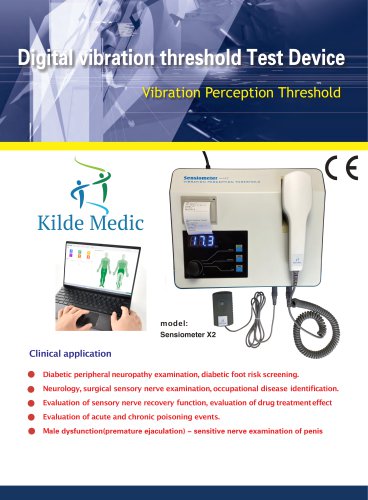 Kilde Medic Biothesiometer
 ReflexWear