


Pleth Variability Index

Pleth Variability Index
Pleth Variability Index (PVI®) is a noninvasive and continuous measurement tool designed to help clinicians assess the fluid status of patients. It is particularly useful in predicting fluid responsiveness in mechanically ventilated patients under general anesthesia during surgery and in the ICU.
Clinical Benefits
- PVI aids in optimizing fluid administration, which is crucial for patient status improvement.
- Traditional methods often fail to predict fluid responsiveness, whereas PVI provides a noninvasive alternative.
- Studies have shown PVI's effectiveness in improving fluid management and reducing lactate levels compared to standard care.
Technology Platform
- PVI is calculated based on the dynamic change in Perfusion Index (PI) during the respiratory cycle.
- A PVI greater than 14% before volume expansion indicates a high likelihood of fluid responsiveness (81% sensitivity), while a PVI less than 14% indicates non-responsiveness (100% specificity).
- PVI demonstrates high accuracy in distinguishing fluid responders from non-responders, with an area under the curve of 0.93, comparable to invasive methods.
Masimo rainbow SET® Platform
- The platform offers noninvasive monitoring of multiple blood constituents and physiological parameters, reducing the need for invasive procedures.
- It includes measurements such as Acoustic Respiration Rate (RRa™), Carboxyhemoglobin (SpCO®), Methemoglobin (SpMet®), and others.
Conclusion
PVI provides a unique opportunity for clinicians to manage patient fluid volume effectively, optimizing cardiac performance and organ perfusion.
Catalog excerpts
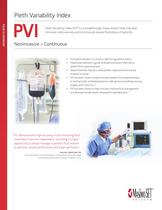
Pleth Variability Index Pulse co-oximeter® PVI Pleth Variability Index (PVI®) is a breakthrough measurement that may help clinicians noninvasively and continuously assess fluid status of patients. Noninvasive > Continuous >> Fluid administration is critical to optimizing patient status.1 >> Traditional methods to guide fluid administration often fail to predict fluid responsiveness.2 >> Newer methods may accurately predict responsiveness but are invasive or costly.3 >> PVI has been shown to help clinicians predict fluid responsiveness in mechanically ventilated patients under general anesthesia during surgery and in the ICU.4, 5 >> PVI has been shown to help clinicians improve fluid management and decrease lactate levels compared to standard care.6 “PVI demonstrated high accuracy in discriminating fluid responders from non-responders—providing a unique opportunity to better manage a patient’s fluid volume to optimize cardiac performance and organ perfusion.” maxime cannesson, MD Associate Professor of Anesthesiology in the Department of Anesthesiology & Perioperative Care at the University of California, Irvine
Open the catalog to page 1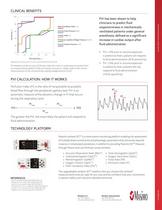
CLINICAL BENEFITS Pleth Variability Index (PVI) Arterial Pulse Pressure (APP) Pulmonary Capillary Wedge Pressure (PCWP) Central Venous Pressure (CVP) Adapted from Cannesson M. et a I. Br J Anesth 2008;101(2):200-206. PVI showed a similar accuracy (0.93 area under the curve) vs. pulse pressure variation from an invasive arterial catheter (0.94) and superior accuracy vs. cardiac index (0.56), central venous pressure (0.42), and pulmonary capillary wedge pressure (0.40). PVI has been shown to help clinicians to predict fluid ventilated patients under general anesthesia, defined as a significant...
Open the catalog to page 2All Masimo catalogs and technical brochures
 Replica
2 Pages
 UniView ™
2 Pages
 Kite ™
2 Pages
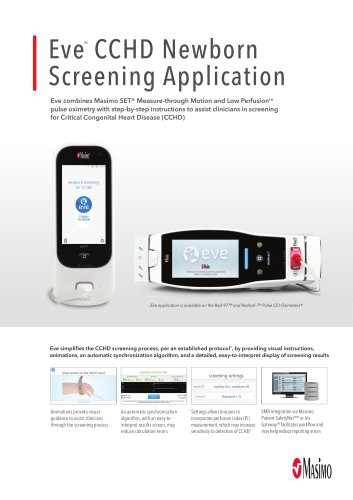 Eve™ CCHD
2 Pages
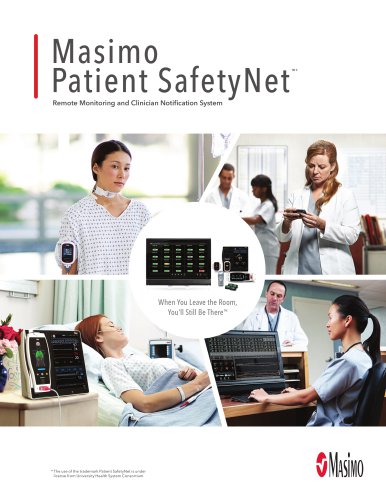 SafetyNet™
5 Pages
 Rad-67™
2 Pages
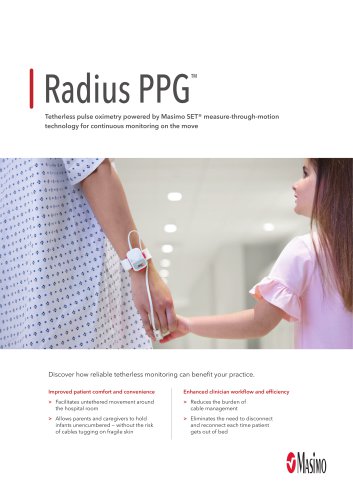 Radius PPG™
2 Pages
 Rad 5
Rad 52 Pages
 Masimo Rad-57
2 Pages
 Rad-97™ Pulse CO-Oximeter®
2 Pages
 Radius-7
2 Pages
 Radical-7
2 Pages
 TIR-1™
2 Pages
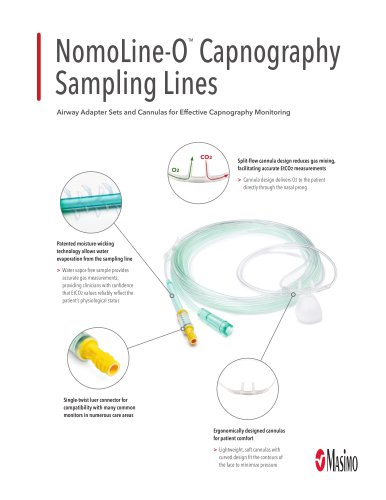 NomoLine-O™
2 Pages
 Masimo Trace™
3 Pages
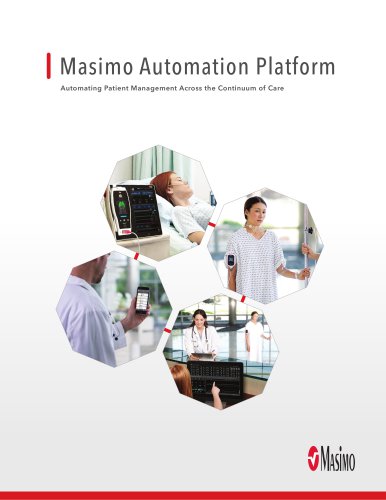 Masimo Automation Platform
3 Pages


Archived catalogs
 Pronto
2 Pages
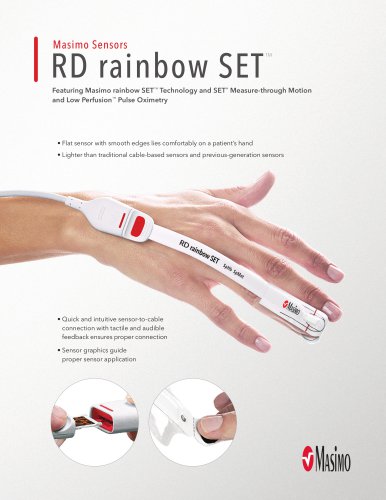 RD rainbow SET ™
2 Pages
 RD SET ™
5 Pages
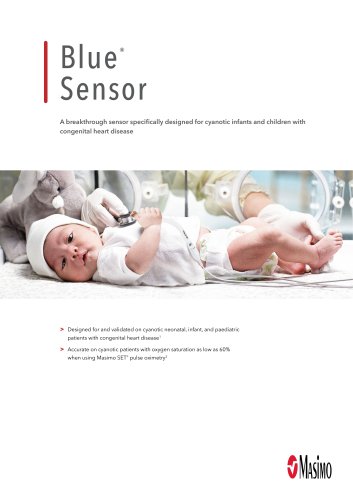 Blue ® Sensor
2 Pages
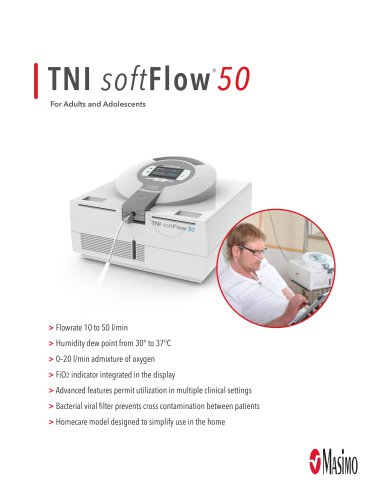 TNI softFlow® 50
2 Pages
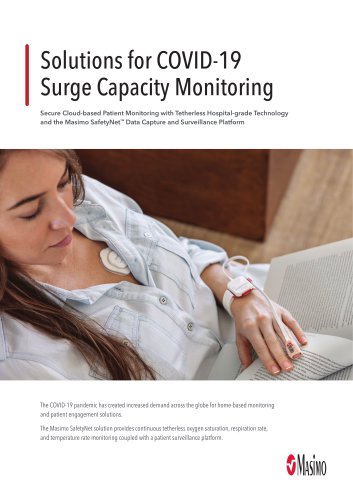 Solutions for COVID-19
3 Pages
 Root ®
15 Pages
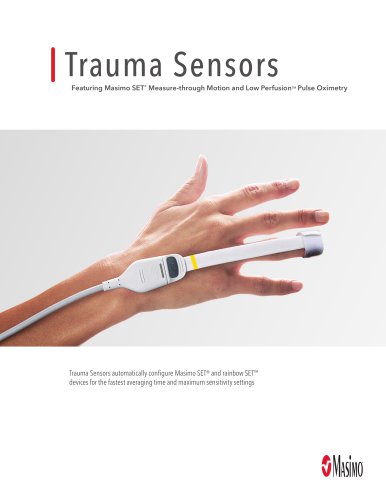 Trauma Sensors
2 Pages
 Newborn Sensors
2 Pages
 RRa
RRa2 Pages
 MightySat Rx
3 Pages
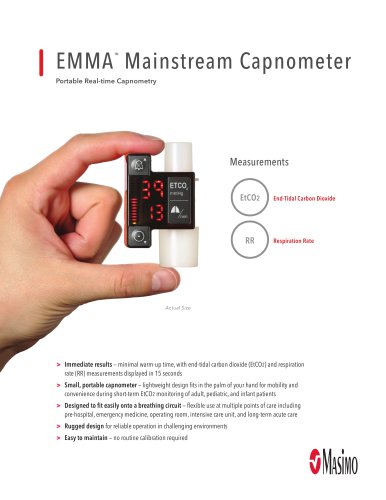 EMMA Mainstream Capnometer
2 Pages
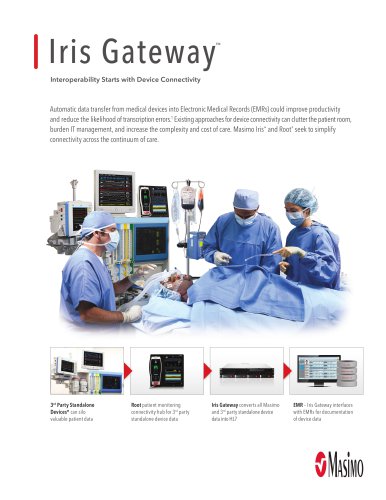 Iris Gateway
2 Pages
 MX-5
MX-51 Page
 Brain Function Monitoring
2 Pages
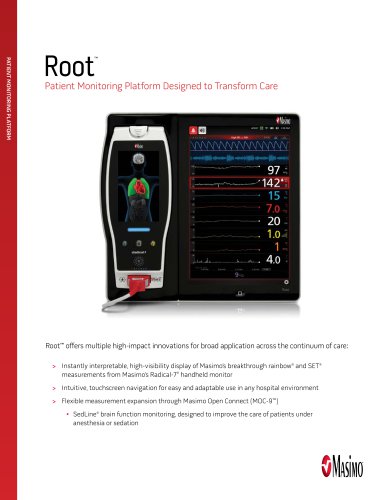 Root
Root2 Pages
 Nomoline Airway Adapter Set
2 Pages
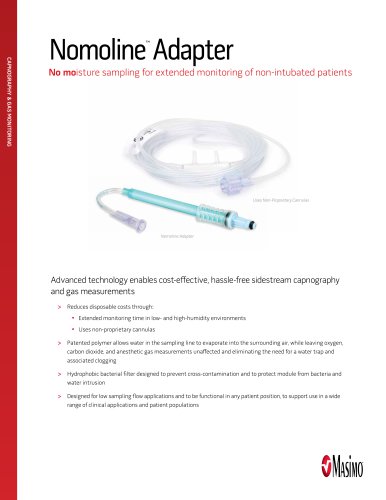 Nomoline Adapter
2 Pages
 EMMA Capnograph
2 Pages
 SpCO
SpCO2 Pages
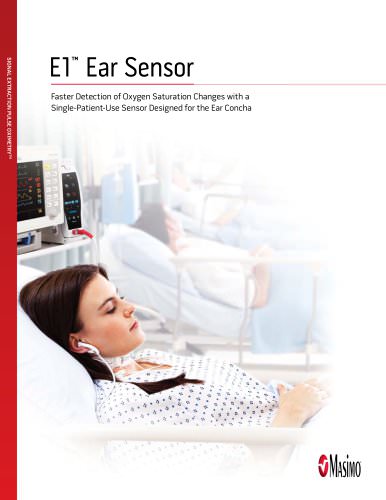 E1 Ear Sensor
3 Pages
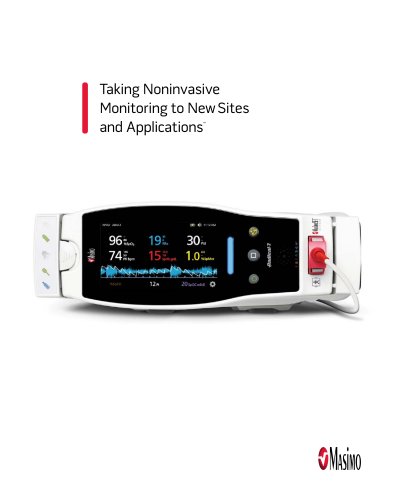 Masimo annual report
27 Pages
 Masimo Rad-8
2 Pages
 Total Hemoglobin Solutions
5 Pages
 SpHb
SpHb2 Pages
 SpMet ®
2 Pages
 E1® Ear snsor
2 Pages
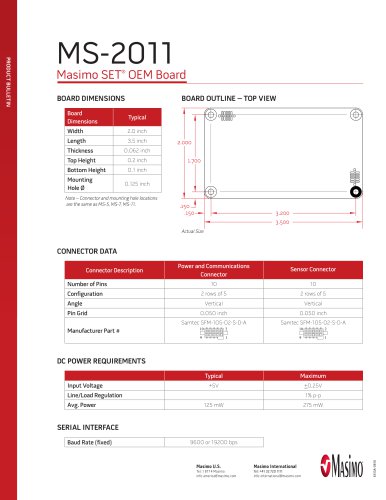 MS-2011
1 Page
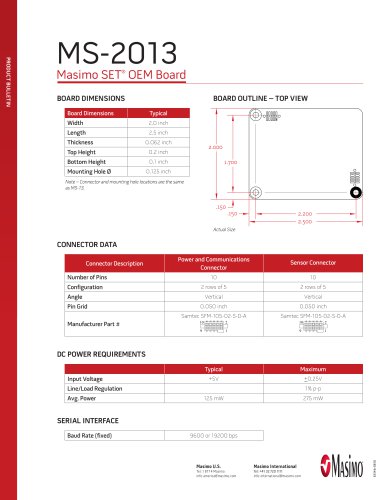 MS-2013
1 Page



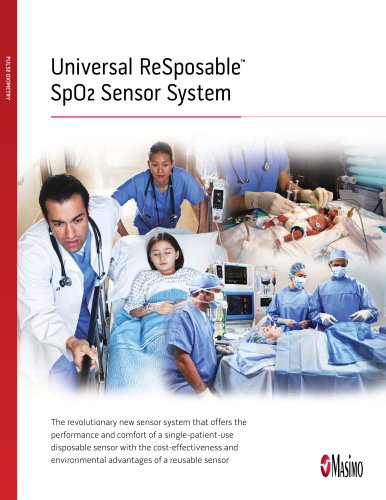

- Analysis software
- Thermometer
- Medical thermometer
- Patient monitor
- SpO2 monitor
- Tablet computer software
- Tablet PC software
- Digital thermometer
- SpO2 sensor
- Temperature sensor
- Reporting software
- Medical pulse oximeter
- Blood pressure patient monitor
- Monitoring sensor
- SpO2 patient monitor
- Fingertip pulse oximeter
- Multi-parameter monitor
- Portable patient monitor
- Monitoring software
- Intensive care patient monitor