
- Catalogs
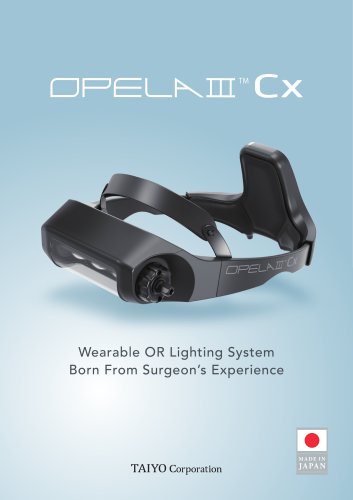
- OPELAIII Cx
- OPELAⅢの有用性vol8救命救急・災害領域


OPELAⅢの有用性vol8救命救急・災害領域
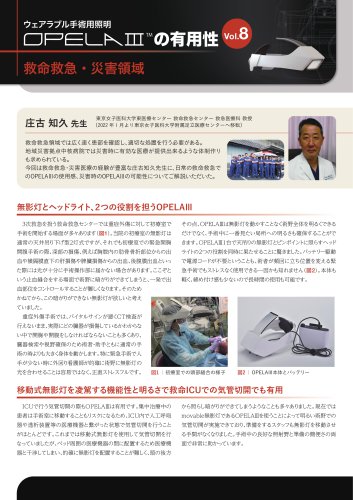
1 / 2 PagesView full catalog
OPELAⅢの有用性vol8救命救急・災害領域
Product catalog summary
Introduction
The document discusses the use of the wearable surgical lighting device, OPELAⅢ, in emergency and disaster medicine. It highlights its dual role as both a shadowless lamp and a headlight, offering superior functionality and brightness compared to traditional mobile shadowless lamps.
Specifications and Functionality
OPELAⅢ is designed to provide bright and shadow-free illumination during surgeries, particularly in emergency settings like ICUs and disaster scenarios. It is battery-operated, eliminating the need for power cords, and is lightweight, making it suitable for long-duration use.
Applications in Emergency Medicine
In emergency rooms, OPELAⅢ addresses the challenge of insufficient lighting during critical procedures such as thoracotomies and laparotomies. It ensures adequate illumination of the surgical field, even in deep injuries, facilitating effective hemostasis.
Use in ICU and Tracheostomy
OPELAⅢ proves beneficial during tracheostomies in ICUs, where moving patients to operating rooms poses risks. It overcomes the limitations of traditional mobile shadowless lamps, providing consistent lighting without interference from surrounding medical equipment.
Disaster Preparedness and Training
The document emphasizes the importance of familiarizing with OPELAⅢ for disaster scenarios. It is particularly useful in makeshift operating environments like ambulances or tents, where traditional lighting solutions are impractical.
Case Studies and Expert Opinions
Dr. Chiku Shoji, an expert in emergency and disaster medicine, shares insights on the effectiveness of OPELAⅢ in both routine and disaster settings. The device's portability and ease of use are highlighted as key advantages.
Conclusion
OPELAⅢ is a valuable tool in emergency and disaster medicine, offering reliable and flexible lighting solutions. Its adoption in training and real-world scenarios underscores its potential to enhance surgical outcomes and preparedness for emergencies.
The document discusses the use of the wearable surgical lighting device, OPELAⅢ, in emergency and disaster medicine. It highlights its dual role as both a shadowless lamp and a headlight, offering superior functionality and brightness compared to traditional mobile shadowless lamps.
Specifications and Functionality
OPELAⅢ is designed to provide bright and shadow-free illumination during surgeries, particularly in emergency settings like ICUs and disaster scenarios. It is battery-operated, eliminating the need for power cords, and is lightweight, making it suitable for long-duration use.
Applications in Emergency Medicine
In emergency rooms, OPELAⅢ addresses the challenge of insufficient lighting during critical procedures such as thoracotomies and laparotomies. It ensures adequate illumination of the surgical field, even in deep injuries, facilitating effective hemostasis.
Use in ICU and Tracheostomy
OPELAⅢ proves beneficial during tracheostomies in ICUs, where moving patients to operating rooms poses risks. It overcomes the limitations of traditional mobile shadowless lamps, providing consistent lighting without interference from surrounding medical equipment.
Disaster Preparedness and Training
The document emphasizes the importance of familiarizing with OPELAⅢ for disaster scenarios. It is particularly useful in makeshift operating environments like ambulances or tents, where traditional lighting solutions are impractical.
Case Studies and Expert Opinions
Dr. Chiku Shoji, an expert in emergency and disaster medicine, shares insights on the effectiveness of OPELAⅢ in both routine and disaster settings. The device's portability and ease of use are highlighted as key advantages.
Conclusion
OPELAⅢ is a valuable tool in emergency and disaster medicine, offering reliable and flexible lighting solutions. Its adoption in training and real-world scenarios underscores its potential to enhance surgical outcomes and preparedness for emergencies.
See more
Catalog excerpts
東京女子医科大学東医療センター 救命救急センター 救急医療科 教授 (2022 年 1 月より東京女子医科大学附属足立医療センターへ移転) 救命救急領域では広く速く患部を確認し、適切な処置を行う必要がある。 地域災害拠点中核病院では災害時に有効な医療が提供出来るような体制作り も求められている。 今回は救命救急・災害医療の経験が豊富な庄古知久先生に、 日常の救命救急で のOPELAⅢの使用感、災害時のOPELAⅢの可能性についてご解説いただいた。
Open the catalog to page 1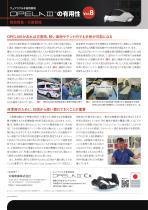
OPELAⅢがあれば災害時、 狭い車両やテント内でも手術が可能になる 我々は災害を想定した手術訓練も行っています。NBC災害が発生し た場合、 病院内の様々な部分の養生を行い汚染が広がらないよう前準 備をしてからでないと救急初療の受け入れや緊急手術が行えません。 救急車内でも使用できる理想的な手術照明です。実際にこの特殊救 急車を使用した模擬手術訓練でその有効性が実証されています。 私は2015年にネパールの大地震支援で国際協力機構 (JICA) の国 その際に救急車を臨時手術室として、 その中で止血処置や救命措置 際緊急援助隊(JDR) に参加して、屋外のテント内手術室で全身麻酔 中に持ち込むことはまず不 可能でした。例え小さい物を 持ち込めたとしても位置や 角度を
Open the catalog to page 2All OPELAIII Cx catalogs and technical brochures
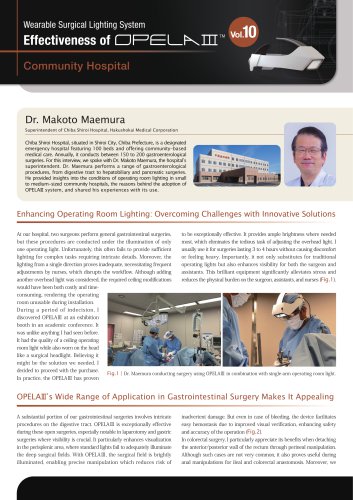
 OPELAⅢの有用性vol10市中病院編
2 Pages
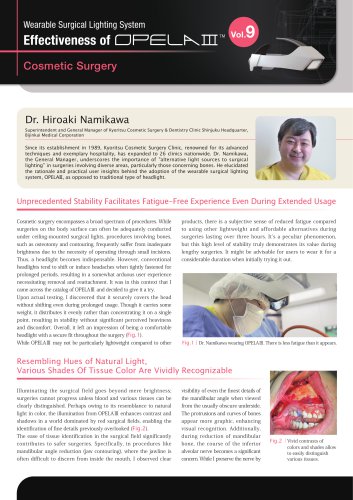
 OPELAⅢの有用性vol9美容外科領域
2 Pages
 OPELAⅢの有用性vol7形成外科領域
2 Pages
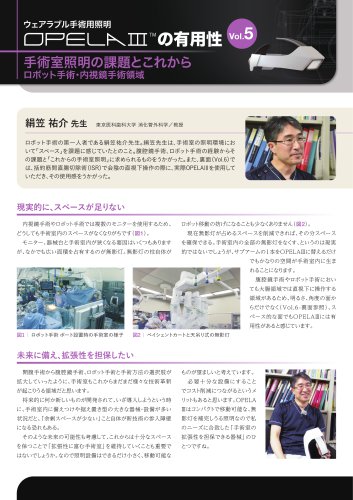
 OPELAⅢの有用性vol4呼吸器外科領域
2 Pages
 OPELAⅢの有用性vol3乳腺外科領域
2 Pages
 OPELAⅢの有用性vol2内分泌外科領域
2 Pages
 OPELAⅢの有用性vol1消化器外科領域
2 Pages
 OPELAIII Instructions Manual
32 Pages
 OPELAⅢ_Catalog_EN
2 Pages
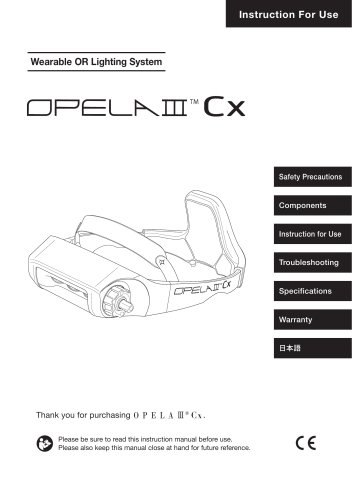 OPELAIII Cx Instructions Manual
48 Pages


*Prices are pre-tax. They exclude delivery charges and customs duties and do not include additional charges for installation or activation options. Prices are indicative only and may vary by country, with changes to the cost of raw materials and exchange rates.
About MedicalExpo
MedicalExpo is a marketplace that offers B2B players a complete experience, from product sourcing to purchase. MedicalExpo is an entity of VirtualExpo Group.
Are you a buyer?
Are you a supplier?