
- Catalogs
- PHC Europe
- ATHFAST™ PRESEPSIN – The Sepsis Biomarker Brochure

ATHFAST™ PRESEPSIN – The Sepsis Biomarker Brochure

ATHFAST™ PRESEPSIN – The Sepsis Biomarker Brochure
Catalog excerpts

LIFE SAVING PRESEPSIN – The Sepsis Biomarker A short monograph
Open the catalog to page 1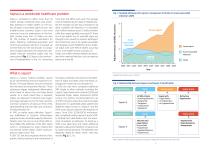
more than $24 billion each year. The average cost per hospital stay for sepsis is $18,400, double the average cost per stay compared to all other conditions (4) Moreover, it is estimated that 3 million newborns and 1.2 million children suffer from sepsis globally every year (5). Three out of ten deaths due to neonatal sepsis are thought to be caused by resistant pathogens (6). Furthermore, one in ten deaths associated with pregnancy and childbirth is due to maternal sepsis with over 95% of deaths occurring in low- and middle-income countries (7). Totally, one million newborn deaths are associated...
Open the catalog to page 3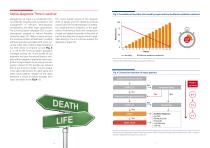
The 1-hour bundle consists of the measurement of lactate and the obtaining of blood cultures prior to the administration of antibiotics, broad-spectrum antibiotics, or the application of intravenous fluids and vasopressors. A rapid and reliable biomarker at the point of care for the detection of sepsis which is applicable directly in the ICU or ER can support the diagnosis of sepsis (15). Management of sepsis is a complicated clinical challenge requiring early recognition and management of infection, hemodynamic complications and other organ dysfunctions. The Surviving Sepsis Campaign (SSC) is...
Open the catalog to page 4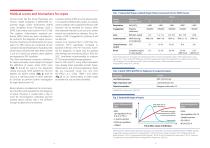
Medical scores and biomarkers for sepsis C-reactive protein (CRP), an acute phase protein increased at inflammatory states, is routinely used in patients with suspected infection. CRP however will be elevated for reasons other than bacterial infections such as burns, severe trauma and autoimmune diseases. Since formation of CRP is triggered by cytokines it will rise late (18). Assicot et al. reported first in 1993 that Procalcitonin (PCT) specifically increased in bacterial infection (19). PCT becomes essential for diagnosis of sepsis and for guiding their therapy and monitoring (20). In 2016,...
Open the catalog to page 5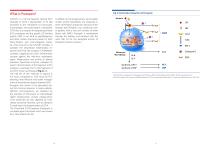
Fig. 6: Schematic production of Presepsin What is Presepsin? In addition to the phagocytosis- and receptor model, several hypotheses are proposed in terms of Presepsin production because of the findings that Presepsin was produced even in patients with a very low number of white blood cells (WBC). Presepsin is metabolized through the kidneys and excreted with the urine (36). So far, the biological activity of Presepsin remains unknown. sCD14-ST is a 13k Da fragment derived from cleavage of CD14, a glycoprotein of 55 kDa anchored to the membrane of monocytes, macrophages and polymorphic neutrophils....
Open the catalog to page 6
Tab.3: Stability of blood samples Measurement of Presepsin In addition to Presepsin, the PATHFAST™ reagent menu offers several other STAT assays which can be used in sepsis diagnosis such as D-Dimer, NT-proBNP, hs-cTnI, CK-MB and hsCRP. All assays are provided in economical precalibrated unit-use cartridges. Up to six samples can be tested in parallel in one single run. Whole blood samples should be measured within 4 hours after collection. Plasma can be stored in the refrigerator for 3 days or may be frozen. The stability of whole blood and plasma is shown in Tab. 3. Complete Blood Count (CBC)...
Open the catalog to page 7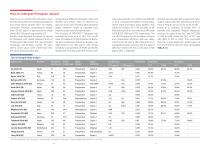
How to interpret Presepsin values? No significant differences between males and females were shown. Also, no influence by age was shown (37). Several studies described higher reference ranges of neonates than those for adults (see neonatal section). The accuracy of PATHFAST TM Presepsin was evaluated by Endo et al. in 2012. The cut off value of Presepsin for discrimination of bacterial and nonbacterial infectious diseases was determined to be 600 pg/ml, with clinical sensitivity and specificity of 87.8% and 81.4%, respectively. The area under the receiver ope- Okamura et al. reported the Presepsin...
Open the catalog to page 8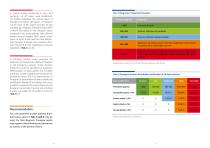
Tab. 5: Diagnosis of sepsis by Presepsin In clinical studies performed in Peru and Germany, cut off values were established. For healthy individuals the normal values of Presepsin are below 200 pg/mL. A Presepsin cut off value of 622 pg/ml excludes 30 day mortality by a Negative Predictive Value (NPV) of 98.5% (28). Based on the Presepsin values measured in the study patients with different disease severity degrees (SIRS, sepsis, severe sepsis or septic shock) and the close relationship between Presepsin and outcome decision thresholds for risk stratification could be established (Tab. 5; 22,...
Open the catalog to page 9
Specificity and sensitivity of Presepsin Fig. 7: Behavior of sepsis biomarker in a colon perforation patient Septic shock Operation One of the Presepsin advantages is the quick response against the onset of sepsis. A case study at Iwate Medical University compared the sepsis biomarkers Presepsin, PCT and CRP after a colon perforation with septic shock. Presepsin showed a high concentration level spontaneously at the infectious event and decreased in parallel with the APACHE II score. On the other hand, IL-6, CRP and Procalcitonin elevated one day after the onset of disease (Fig. 7). Presepsin...
Open the catalog to page 10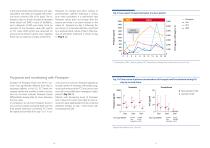
Fig. 9: Case report of sepsis biomarker in a burn patient SIRS 1600 positive blood culture Presepsin (in orange) and other markers in post-traumatic patients following a serious burn were considered. It is well-known that Presepsin values does not change after the trauma and there is an early increase in the values of Presepsin by day 2 following the occurrence of a bacterial infection confirmed by a positive blood culture of day 5. Effectiveness of anti-biotic treatment is shown at day 13 (Fig. 9, 24). Presepsin (pg/ml) In the case study by Shozushima et al., a 51-yearold patient was taken to...
Open the catalog to page 11
Fig. 11: Course of biomarkers over time Recommendation For final diagnosis, Presepsin results may support clinical findings but should not be used as a sole decision criteria for severity of organ damage. For ICU patients, a baseline cut off for Presepsin of approximately 1,000 pg/ml may be used which may increase with progression of disease and severity of organ failure. A clear difference in the development of Presepsin and PCT values during the course of treatment could be demonstrated with sepsis patients who got antimicrobial treatment after diagnosis of sepsis. Presepsin showed a clear...
Open the catalog to page 12All PHC Europe catalogs and technical brochures
 FACSCOPE® B - CUR-CRFCB-01
2 Pages
 Racks Brochure
16 Pages
 Cold Chain Brochure
16 Pages
 MCO Cleaning Brochure
28 Pages
 MIR Brochure
6 Pages
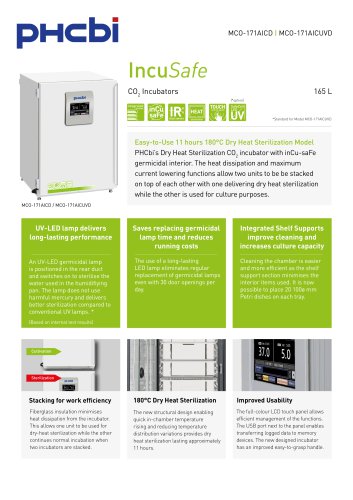
 Incusafe Brochure
36 Pages
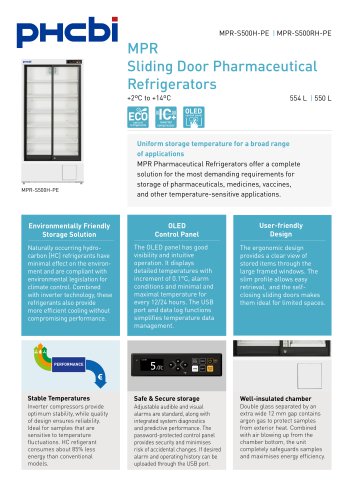
 MPR Brochure
20 Pages
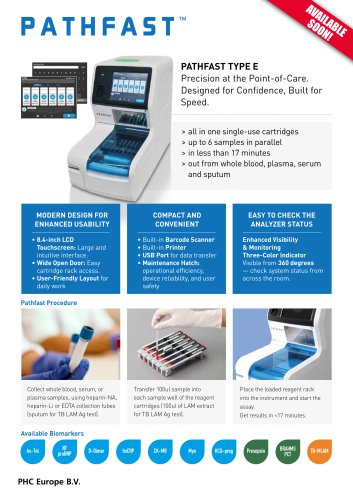 PATHFAST™ TYPE E
2 Pages
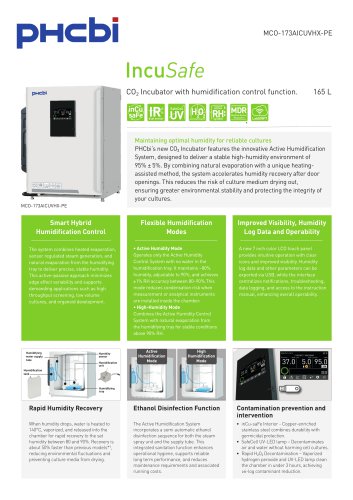 MCO-173AICUVHX-PE
3 Pages
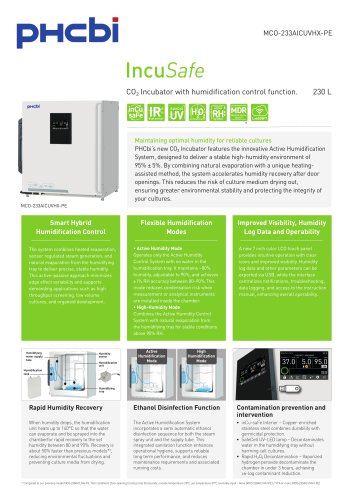 MCO-233AICUVHX-PE
2 Pages
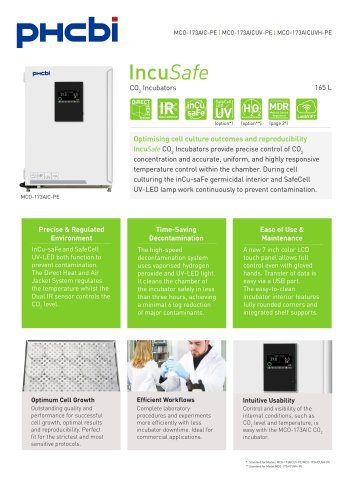 MCO-173AIC(UV)H)-PE
2 Pages
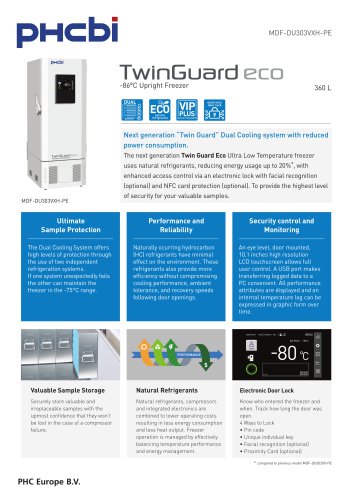 MDF-DU303VXH-PE
2 Pages
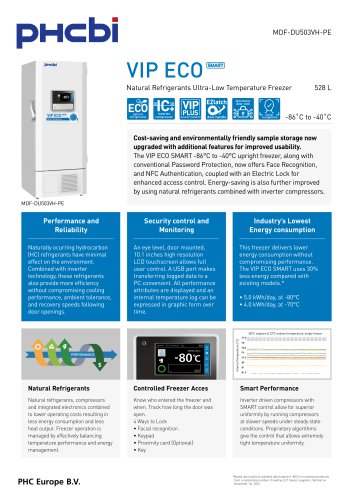
 ULT Brochure
52 Pages
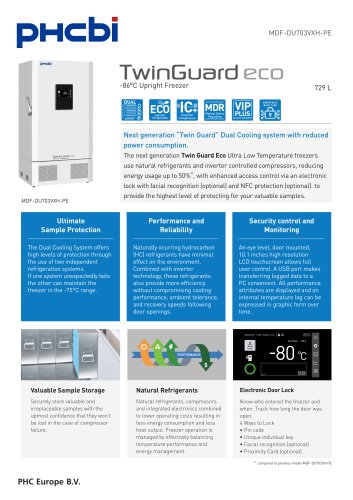 MDF-DU703VXH-PE Productsheet
2 Pages
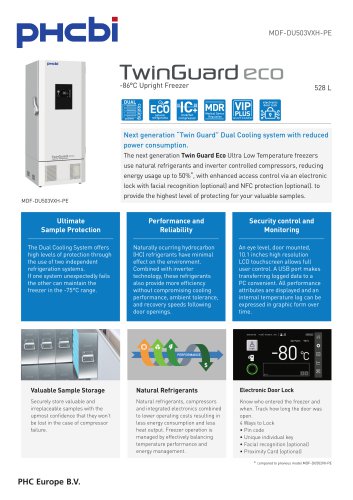 MDF-DU503VXH-PE Productsheet
2 Pages
 ProteoSave™ Brochure
2 Pages
 STEMFULL™ Brochure
2 Pages
 Cryogenic Vials Brochure
2 Pages
 PATHFAST™ Presepsin
6 Pages
 MCO-50AIC-PE CO2 Incubators
2 Pages
 MCO-50M-PE CO2 Incubators
2 Pages
 Cleanroom Classification
4 Pages
 MIR-554-PE Cooled Incubator
2 Pages
 MDF-DU901VHL-PE
2 Pages
 MPR-S150H-PE & MPR-S300H-PE
2 Pages
 MPR-N450FHD-PE
2 Pages
 Commitment to PHC Quality
32 Pages
 PRIMESURFACE®
4 Pages
 MPR-1014R-PE
2 Pages
 MPR-N450FH-PE
2 Pages
 MDF-U731M-PE -30°C Freezer
2 Pages
 MCO-170AIC-PE CO2 Incubators
2 Pages
 MLR-352-PE Climate Chamber
2 Pages
 MIR-554 Cooled Incubator
2 Pages
 MCO-170AC-PE CO2 Incubators
2 Pages
 MCO-230AIC-PE CO2 Incubators
2 Pages
 MCO-80IC-PE CO2 Incubator
2 Pages










Archived catalogs
 MCO-50AICL-PE Co2 Incubator
2 Pages
 MCO-5AC-PE CO2 Incubators
2 Pages
 MLS
MLS2 Pages
 ULTRA LOW TEMPERATURE FREEZERS
16 Pages
 Biomedical Freezers
4 Pages
 MIR-162/262
2 Pages
 Autoclaves MLS-2420/3020
2 Pages
 MPR-S163-PE & MPR-S313-PE
2 Pages
 Bloodbank Refrigerators
4 Pages
 MIR-H163-H263
2 Pages
 MBR Blood Bank refrigerators
2 Pages
 MIR Cooled Incubators
4 Pages
 Biomedical Freezer MDF-U731M
2 Pages
 MDF-U731M-PE
2 Pages
 MDF-U5412-PE
2 Pages
 MDF-U3386S-PE
2 Pages
 MDF-U4186S-PE
2 Pages
 MDF-U5386S-PE
2 Pages
 Cooled Incubators
4 Pages
 TwinGuard ULT Freezers brochure
12 Pages
 Biological Safety Cabinet
2 Pages
 MDF-DU302VX-PE
2 Pages
 Panasonic - Cryopreservation
28 Pages
 Incubateurs multigaz
2 Pages
 MDF-U700VX-PE
2 Pages
 MDF-U500VX-PE
2 Pages
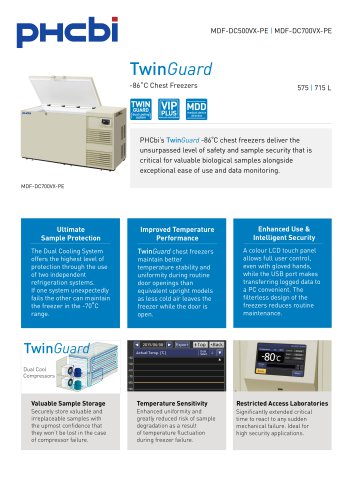
 TwinGuard -86 chest freezers
2 Pages




- PHC Europe test kit
- PHC Europe blood test kit
- Serum detection kit
- Sterilizer
- PHC Europe immunoassay test kit
- PHC Europe cabinet refrigerator
- PHC Europe plasma test kit
- Immunoassay rapid diagnostic test
- Steam sterilizer
- Infectious disease detection kit
- PHC Europe laboratory freezer
- 1-door refrigerator
- PHC Europe laboratory refrigerator
- PHC Europe 1-door freezer
- Electric refrigerator
- PHC Europe laboratory incubator
- PHC Europe refrigerator with glass door
- PHC Europe whole blood test kit
- Stainless steel sterilizer
- PHC Europe pharmacy refrigerator