


TDCS-02
TDCS-02
Transcranial Electrical Stimulation (tES) is a non-invasive method using low-intensity electrical currents (0-2 mA) to influence brain activity. It encompasses techniques such as Transcranial Direct Current Stimulation (tDCS), Alternating Current Stimulation (tACS), Random Noise Stimulation (tRNS), Pulsed Current Stimulation (tPCS), and Cranial Electrotherapy Stimulation (CES). Initially applied for brain injury recovery, it also shows promise in enhancing cognitive functions in healthy individuals.
While TMS uses suprathreshold stimulation to trigger neuron firing, tDCS employs subthreshold stimuli to modulate neuronal activity without causing action potentials.
The E-TDCS Transcranial Electrical Stimulator is a non-invasive device designed to modify neuronal excitability using low-intensity currents. It is characterized by its safety, painlessness, and ease of use.
Anodal stimulation significantly increases regional cerebral blood flow (rCBF), whereas cathodal stimulation causes a smaller increase during stimulation and a decrease afterward. Longer stimulation durations enhance these effects.
Available models include E-TDCS01 (handheld), E-TDCS02 (desktop), and E-TDCS03 (trolley), each offering different channel configurations and operational modes. The devices provide various stimulation modes and precise current intensity control.
The device is applicable for treating motor dysfunction, cognitive impairments, and various neurological and psychiatric conditions. It is also used in pain rehabilitation and addiction treatment.
Contraindications include individuals with metal implants, pacemakers, intracranial hypertension, severe heart disease, and pregnant women.
Operation involves patient assessment, selection of stimulation sites and methods, and adjustment of current intensity. The E-TDCS03 model includes a detailed operational guide with electrode placement and parameter settings.
tDCS is used for conditions like autism, ADHD, tic disorders, and cerebral palsy, with specific stimulation sites and intensities tailored to each condition.
tDCS aids in post-stroke rehabilitation by addressing motor dysfunction, cognitive impairments, pain, and depression, with specific protocols for each condition.
This document explores the use of transcranial Direct Current Stimulation (tDCS) for neurological rehabilitation, focusing on language processing and post-stroke recovery.
- tDCS employs anodal and cathodal stimulation techniques.
- Stimulation parameters include a current of 1-2mA, applied for 10-20 minutes per session, once daily, five times a week.
- Treatment duration ranges from 1-3 weeks depending on the condition.
- Cathodal stimulation of the Dorsolateral Prefrontal Cortex (DLPFC) promotes silence and introversion.
- Anodal stimulation of Wernicke's area enhances language processing in healthy individuals.
- Anodal stimulation of the left Broca's area improves naming accuracy in right-handed individuals with aphasia.
- For post-stroke consciousness disturbances, anodal stimulation is applied to the left DLPFC and right supraorbital area.
- Continuous treatment is advised for optimal results, with adjustments based on individual response and condition severity.
tDCS is a promising technique for enhancing language abilities and aiding recovery in post-stroke patients through targeted brain stimulation.
Catalog excerpts
Shenzhen Elite Medical Technology CO., Ltd
Open the catalog to page 1
What is Transcranial Electrical Stimulation? 产品介绍 Transcranial Electrical Stimulation (tEs) is a non-invasive neurostimulation technique that applies a specific, low-intensity current (usually 0-2 mA) to specific brain regions through electrodes to modulate neural activity in the cerebral cortex. the goal of. This technique includes a variety of stimulation methods, which can be divided into: Transcranial Direct Current Stimulation (tDCS) Transcranial Alternating Current Stimulation (tACS) 恒稳直流电 Transcranial Random Noise Stimulation (tRNS) Transcranial pulsed current Stimulation (tPCS) Cranial...
Open the catalog to page 2
What is the difference between transcranial direct current stimulation 产品介绍 适用范围 and transcranial magnetic stimulation? pTranscranial Magnetic Stimulation(TMS) * Suprathreshold stimulation; * Generate action potentials, causing neurons to fire; * Brain stimulation technology. pTranscranial direct current stimulation(tDCS) * Subthreshold stimulus; * Acts by modulating resting membrane potential, modulating spontaneous neuronal network activity; * Neuromodulat
Open the catalog to page 3
Product Description E-TDCS Transcranial Electrical Stimulator Transcranial electrical stimulator is a non-invasive technology that uses constant, low-intensity current (0-2mA) to modulate nerves. The current is delivered to the designated brain area through electrodes, and the intracranial current will increase or decrease the neuron cell's activation. Excitability (depending on the polarity of the electrodes), increased or decreased excitability can cause changes in brain function that can be used to treat diseases or study brain function. It has been widely used in clinical work because of...
Open the catalog to page 4
Effect on cerebral blood flow适用范围 产品介绍 基本配置 Anodal stimulation induced a large increase (17.1%) in rCBF during stimulation, which returned to baseline after the current was turned off, but exhibited an increase in rCBF again in the post-stimulation period. Cathodal stimulation induced a smaller increase (5.6%) during stimulation, a significant decrease compared to baseline (−6.5%) after cessation, and a continued d
Open the catalog to page 5
The longer the stimulation time, the more obvious the follow-up effect Duration
Open the catalog to page 7
Stimulation depth of tDCS Thalamus Dorsal brain stem Toralf Neuling 1 † , Sven Wagner 2 † , Carsten H. Wolters .Finite-element model predicts current density distribution for clinical applications of tDCS and tACS. ORIGINAL RESEARCH ARTICLE published: 24 Sep
Open the catalog to page 8
Structural form Handheld Total number of channels Single group of 2 channels Operation mode Button Dual groups of channels (with 2 channels or high precision 5 channels multiple stimulation modes) Touch screen Eight groups of channels (with 2-channel or high-precision 5channel multiple stimulation modes) Management system 19 inch monito
Open the catalog to page 9
Application This product is suitable for the treatment of motor dysfunction, language cognitive impairment, and swallowing disorders caused by brain injury. Application field Ø Rehabilitation of neurological and psychiatric diseases: movement disorders, balance disorders, cognitive disorders, speech and language disorders, visual perception disorders, disorders of consciousness, dystonia, etc. caused by brain injury, spinal cord injury, epilepsy, insomnia, depression, anxiety disorders , schizophrenia, stroke, aphasia, etc. Ø Rehabilitation of children: children with cerebral palsy, autism, ADHD,...
Open the catalog to page 10
Contraindications and people with caution 产品介绍 Those with metal implants in the body; metal materials (including MRI-compatible materials such as titanium metal), arterial clips, etc.; ü Those with implanted devices in the body: pacemakers, deep brain stimulators (DBS); ü patients with metal implants; Intracranial hypertension, skull defect, tumor patients; ü malignant tumor patients; Serious heart disease, physical disease and other unstable vital signs; acute phase of cerebrovascular disease; ü pregnant women and children; Those who have adverse reactions to electrical stimulation; pregnant...
Open the catalog to page 11
Five treatment modes产品介绍 for a wider range of treatments 基本配置 适用范围 tDCS(transcranial Direct Current Stimulation) tACS(transcranial alternating current Stimulation) tPCS(transcranial pulsed current Stimulation) tRNS(transcranial Random Noise Stimulation) CES(Cranial Electrotherapy
Open the catalog to page 12
Multiple stimulus output modes Stimulus output mode 1) 2-channel output (anode/cathode): a two-channel stimulation method of one yin and one yang is adopted, and the output of the stimulation type is set by the control software, which acts on the cerebral cortex with weakly polarized direct current. 2) 5-channel output (high-precision output: one yang and four yin or one yin and four yang): It integrates the low-intensity, safety and breakthrough high-precision target control technology of traditional tDCS, which greatly improves the focus of tDCS High-precision tDCS produces neuroplastic changes...
Open the catalog to page 13
Safe, non-invasive & long-lasting Safe and non-invasive: Transcranial electrical stimulation uses an auxiliary fixation device to fix the head electrodes. It is a non-invasive technology that uses low-intensity current to regulate neuronal activity in the cerebral cortex without causing any trauma. At the same time, the relevant safety literature shows that: Transcranial electrical stimulation does not induce or cause other risks of brain injury. Precise control: The output current intensity is four gears: 0-0.5mA, 0-1mA, 0-1.5mA, 02mA, and the adjustment range is 0-255 levels. The output intensity...
Open the catalog to page 14
Clinical application - how to operate 1. The stimulation effect is determined by the stimulation site, the intensity of the current, the area and polarity of the electrode pads; Assessment + Imaging - Stimulation Site - Stimulation Method - Current Strength - Start Treatment 2. Stimulation method: Anodal stimulation: the anode electrode is placed in the target brain area, excited; Cathodal stimulation: The cathode electrode is placed in the target brain area, inhibiting; Pre-stimulation: During the stimulation process, the current rises to the predetermined current and then drops to 0; the excitation...
Open the catalog to page 15All Shanghai Goodmed Medical Device catalogs and technical brochures
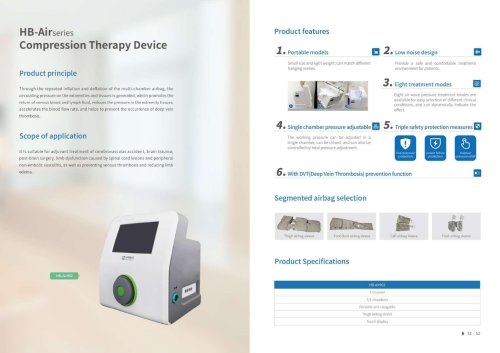 AIR902
1 Page
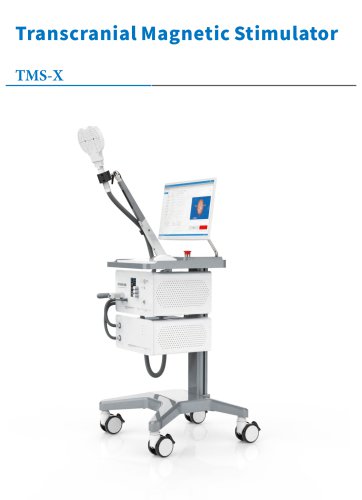 TMS-X
TMS-X3 Pages
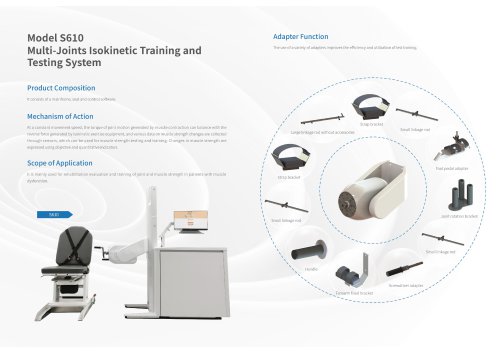 S610
S6102 Pages
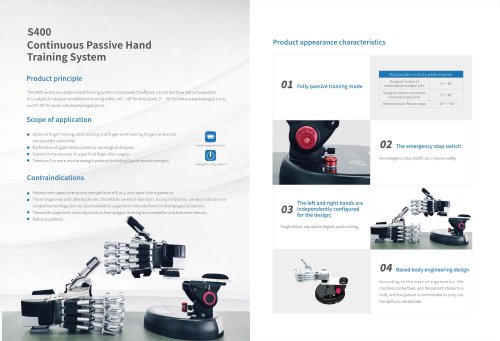 S400
S4002 Pages
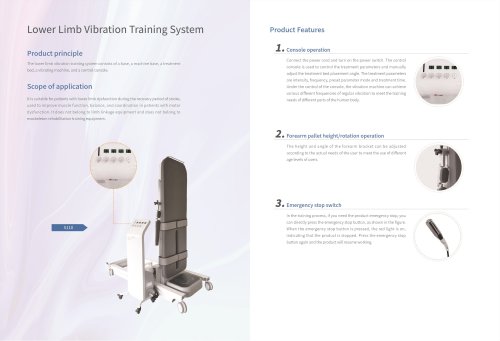 S110
S1101 Page
 OM-A-ECP1 EECP
1 Page
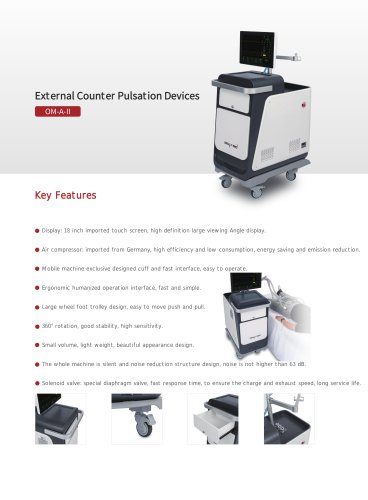 OM-A-II ECP
1 Page
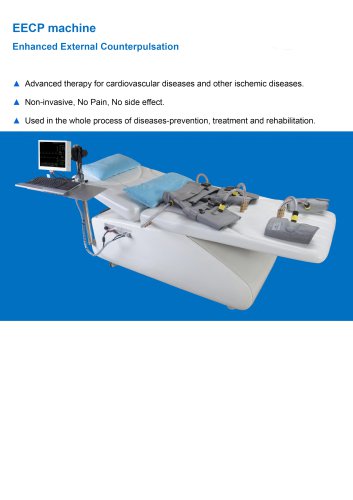 OM-A ECP
4 Pages
 GD-FA
GD-FA9 Pages
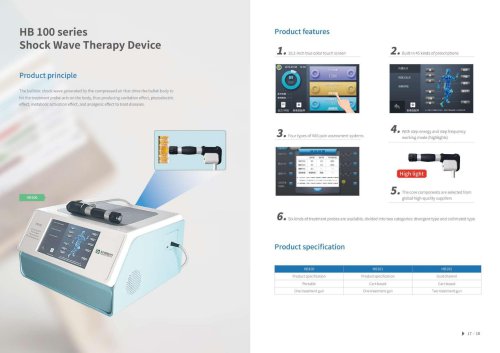 HB102
HB1021 Page
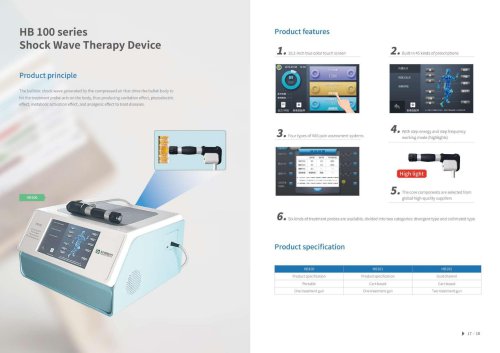 HB101
HB1011 Page
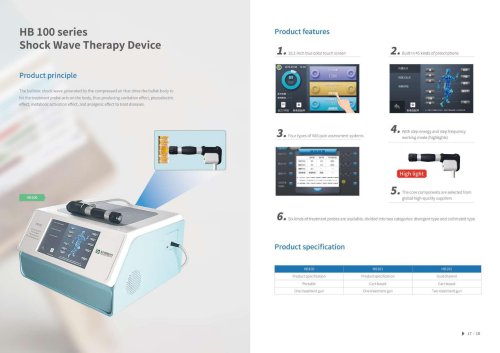 HB100
HB1001 Page
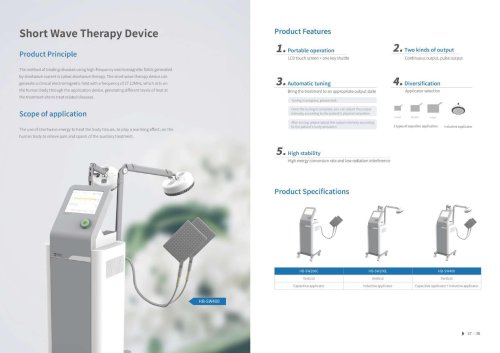 HB-400W
1 Page
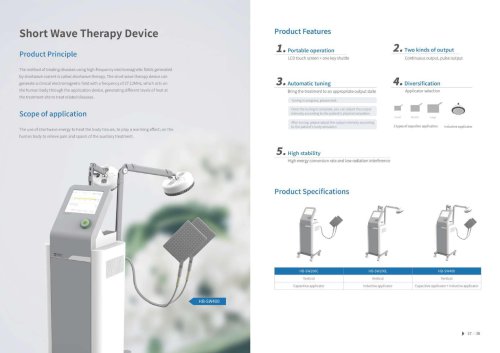 HB-200W
1 Page
 AMT-B
AMT-B24 Pages
 RTM06
RTM062 Pages
 RTM05
RTM052 Pages
 RTM04
RTM042 Pages
 RTM03
RTM032 Pages
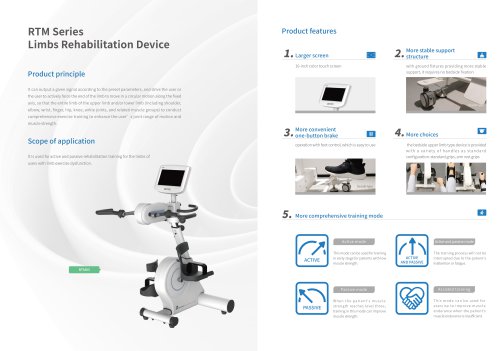 RTM02
RTM022 Pages
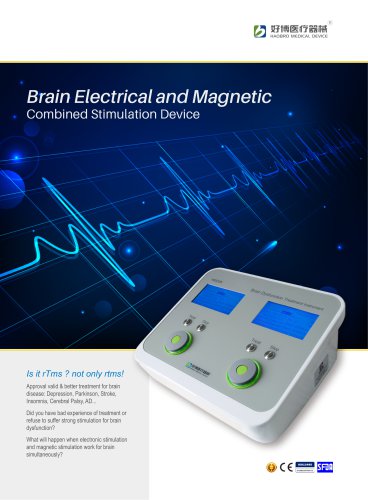 HB510B rtms
7 Pages
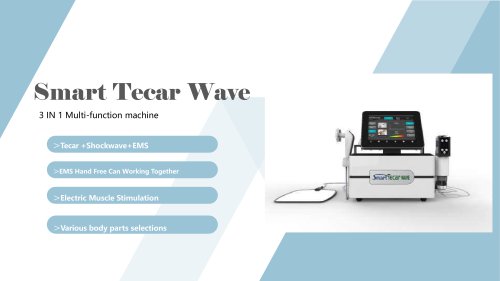
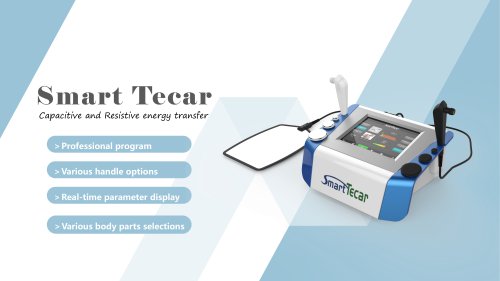 Smart Tecar
9 Pages
 GDTS-07 with Shockwave 3 in 1
41 Pages
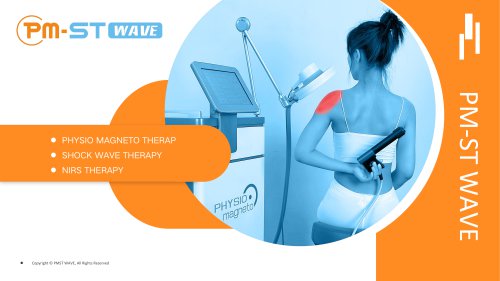
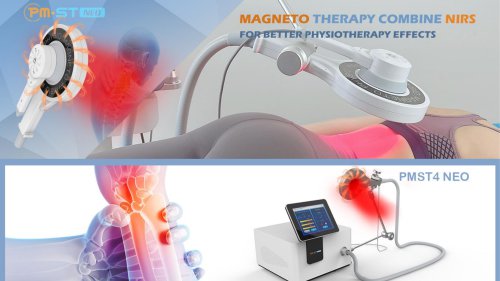 PMST-4 NEO 2 in 1
5 Pages
 WB003
WB00384 Pages
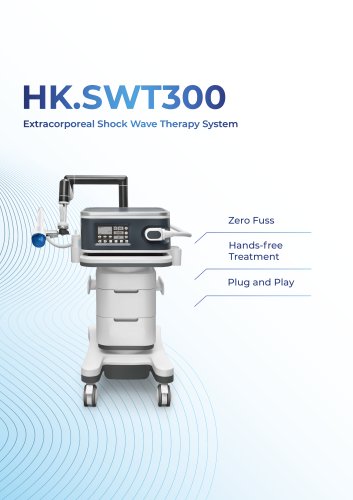 SWT300
2 Pages
 Ruilex
1 Page
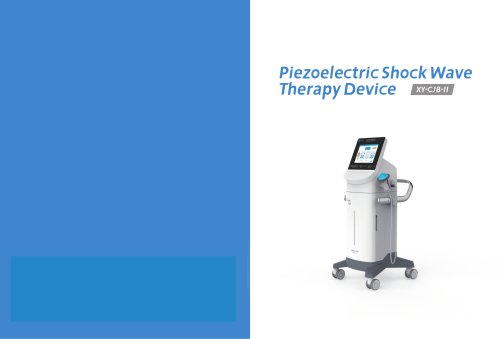 XY-CJB-II
6 Pages
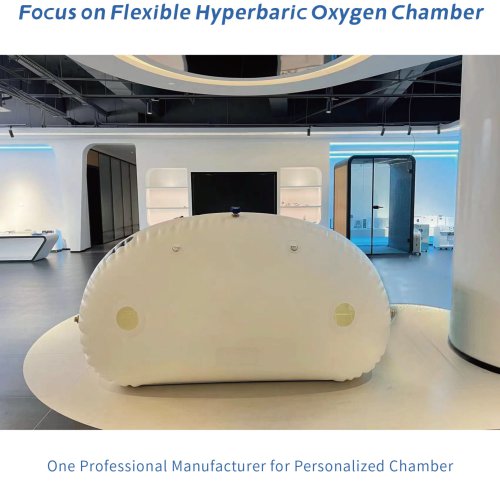 HBY-FL15
9 Pages
 HBY-FL20
9 Pages
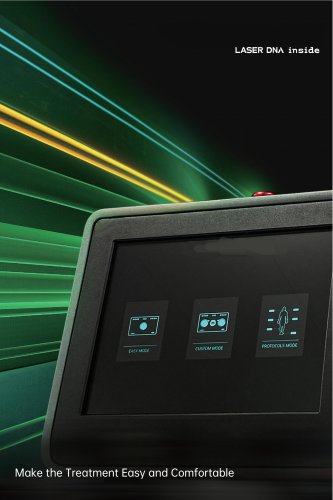 4500U1
9 Pages
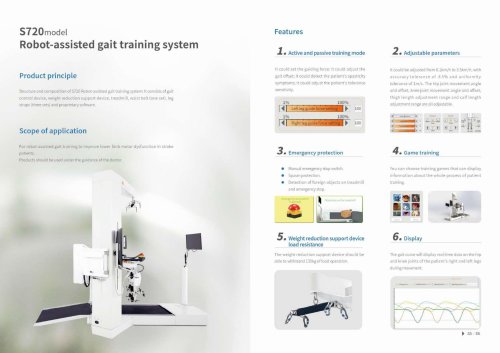 S720
S7201 Page
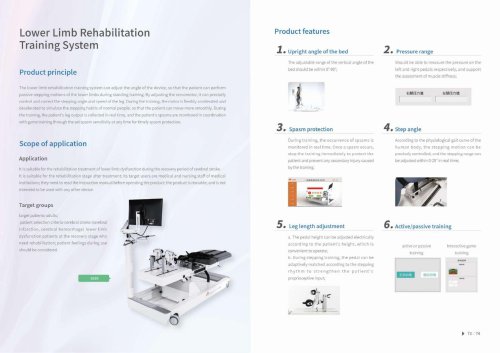 S530
S5301 Page
 S500
S5001 Page
 WB-W-E
6 Pages
 AMT-C
AMT-C24 Pages
 HB-200C
1 Page
 TMS
TMS14 Pages
 MAGREX-A
2 Pages
 PMST-3
5 Pages
 R02
R0213 Pages
 RTM01
RTM012 Pages
 ZP4
ZP41 Page
 SJ1
SJ11 Page
 HB520B rtms
7 Pages
 RT1100
14 Pages
 HB-810B ultrasound therapy
14 Pages
- Diode laser
- Tabletop laser
- Electric stimulator
- Class 4 laser
- TENS physiotherapy
- Rehabilitation system
- Hyperbaric cabin
- Heat therapy unit
- Oxygen therapy hyperbaric cabin
- EMS physiotherapy
- ESWT unit
- Physical therapy laser
- Monoplace hyperbaric cabin
- Pressure therapy unit
- Orthopedic treatment ESWT unit
- Robotic rehabilitation system
- Ultrasound diathermy unit
- Pedal exerciser
- Veterinary laser
- Transcranial stimulator