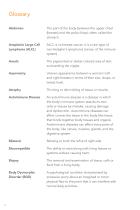
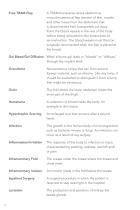
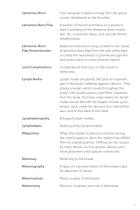
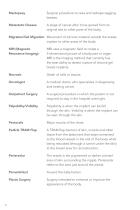
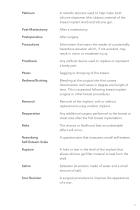
Glossary: The brochure begins with a glossary defining key terms related to breast reconstruction and implants, such as 'Anaplastic Large Cell Lymphoma (ALCL)', 'Capsular Contracture', and 'Mammoplasty'. These definitions provide foundational knowledge for understanding the subsequent sections.
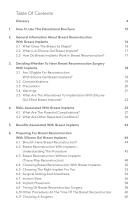
1. How To Use This Educational Brochure: This section guides the reader on how to navigate and utilize the information provided in the brochure effectively.
2. General Information About Breast Reconstruction With Breast Implants: This part explains the anatomy of the breast, the nature of silicone gel breast implants, and their role in breast reconstruction.
3. Deciding Whether To Have Breast Reconstruction Surgery With Implants: It discusses eligibility criteria, contraindications, precautions, warnings, and alternatives to silicone gel-filled breast implants.
4. Risks Associated With Breast Implants: This section details potential complications, other reported conditions, and the importance of understanding these risks before proceeding with surgery.
5. Benefits Associated With Breast Implants: The brochure outlines the positive outcomes and improvements in quality of life that can result from breast reconstruction with implants.
6. Preparing For Breast Reconstruction With Silicone Gel Breast Implants: It covers considerations such as whether to undergo reconstruction, understanding the procedure, choosing the right implant, surgical settings, and timing.
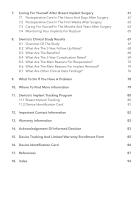
7. Caring For Yourself After Breast Implant Surgery: Postoperative care instructions are provided for the immediate hours, days, weeks, and long-term care after surgery, including monitoring for implant rupture.
8. Sientra’s Clinical Study Results: This section presents an overview of clinical study results, including follow-up rates, benefits, complication rates, reasons for reoperation, and implant removal.
9. What To Do If You Have A Problem: Guidance is provided on steps to take if complications or issues arise post-surgery.
10. Where To Find More Information: Resources for further information are listed for patients seeking additional details.
11. Sientra’s Implant Tracking Program: Information on implant tracking and the importance of the device identification card is discussed.
12. Important Contact Information: Essential contact details for further assistance and inquiries are provided.
13. Warranty Information: Details about the warranty coverage for Sientra implants are outlined.
14. Acknowledgement Of Informed Decision: This section emphasizes the importance of making an informed decision regarding breast reconstruction.
15. Device Tracking And Limited Warranty Enrollment Form: Instructions for enrolling in the tracking and warranty program are provided.
16. Device Identification Card: The significance of the device identification card is reiterated.
17. References: A list of references used in compiling the brochure is included.
18. Index: An index is provided for easy navigation of topics within the brochure.
Introduction: This document is an educational brochure designed by Sientra to provide information about breast reconstruction with silicone gel breast implants. It aims to help patients understand the procedure and discuss it with their doctors. The brochure includes data from a clinical study involving 1,788 patients.
Breast Anatomy and Reconstruction: The breast consists of milk ducts, glands, blood vessels, and nerves surrounded by fatty tissue. Breast cancer surgery can significantly alter the breast's shape and appearance. Silicone gel breast implants are used to restore or replace breast tissue and are available in various shapes and sizes.
Eligibility and Contraindications: Breast implants are approved for primary reconstruction after cancer or injury and for revision-reconstruction. Contraindications include active infections, untreated cancer, and pregnancy. Precautions should be taken for patients with autoimmune diseases, weakened immune systems, or mental health disorders.
Risks and Precautions: Breast implants are associated with several risks, including the need for additional surgeries, permanent changes to breast appearance, and potential difficulties with mammography. Smoking can hinder healing, and patients should avoid certain activities post-surgery.
Conclusion: Patients are advised to thoroughly read the brochure, understand the risks and benefits, and have realistic expectations before deciding on surgery. They should also discuss their medical history and any concerns with their doctors.
Overview: This document provides detailed information on breast implants, focusing on MRI usage, self-examination, insurance coverage, alternatives to silicone gel-filled implants, and associated risks.
MRI and Self-Examination: It is recommended to have an MRI 3 years post-surgery and every 2 years thereafter to detect silent ruptures. Monthly self-examinations are advised for cancer screening, with guidance from a surgeon to differentiate between implant and breast tissue.
Insurance Coverage: Insurance typically covers medically necessary mastectomies and reconstructive surgery, but coverage for reoperations or additional visits may vary. Patients should verify their specific insurance coverage before proceeding with surgery.
Alternatives to Silicone Gel-Filled Implants: Alternatives include not reconstructing, using a padded bra or external prosthesis, flap procedures, or saline-filled implants. For revision surgeries, options include no revision, implant removal without replacement, or saline-filled implants.
Risks Associated with Breast Implants: Surgery involves risks such as infection, scarring, hematoma, seroma, and capsular contracture. Tables provide statistical likelihoods of these risks based on clinical studies.
Potential Complications: Complications include infection, hematoma or seroma, capsular contracture, and implant rupture. Infection can occur anytime post-surgery, and capsular contracture may require corrective surgery. Implant rupture can occur due to various factors, with silent ruptures being undetectable without MRI.
Conclusion: The document emphasizes the importance of regular monitoring and understanding the risks and alternatives associated with breast implants.
Silicone Gel Migration and Health Effects: Silicone gel from breast implants can migrate to nearby tissues and distant locations, potentially causing lumps known as silicone granulomas. These are not cancerous but can be mistaken for cancer. Migrated silicone gel has been associated with breast hardness, numbness, and tingling, but no systemic diseases like connective tissue disease or cancer have been conclusively linked to it.
Reoperation and Implant Removal: Reoperation is common, with a 35% risk for primary reconstruction patients and 43% for revision-reconstruction patients within three years. Implant removal, with or without replacement, has a 25% risk for primary and 30% for revision-reconstruction patients within the same period.
Pain and Sensation Changes: Post-surgery pain varies and may persist. Changes in nipple and breast sensation are common, potentially affecting sexual response and breastfeeding ability.
Cosmetic and Functional Changes: Unsatisfactory cosmetic results and complications like implant extrusion, necrosis, and delayed wound healing may occur. Breast atrophy and chest wall deformity are possible, requiring additional surgery.
Breastfeeding and Health Recommendations: Breastfeeding may be affected by implants, but organizations like the IoM encourage it. Most women in studies reported no lactation difficulties post-reconstruction.
Long-term Health Effects: No conclusive evidence links implants to cancer, but a small risk of anaplastic large cell lymphoma (ALCL) exists. Regular monitoring is advised, but implant removal is not recommended without symptoms.
Breast Implants and Cancer Risk: Studies indicate that women with silicone gel breast implants are not at a higher risk for lung cancer compared to the general population. However, some studies suggest an increased risk of respiratory/lung cancer in women with implants compared to those with other plastic surgeries. Smoking habits may contribute to this risk.
Reproductive System Cancer: Most studies show no increased risk of reproductive system cancers in women with silicone gel breast implants. However, one study noted a higher incidence of cervical/vulvar cancer.
Other Cancers: Research indicates no increased risk of other cancers, such as eye, urinary tract, connective tissue, and endocrine system cancers, in women with silicone gel breast implants.
Connective Tissue Disease (CTD) and Immune System Disorders: There is no significant evidence linking silicone gel breast implants to an increased risk of CTDs or autoimmune disorders. Some women report symptoms related to the immune system, but these do not fit into a definable disease.
Effects on Children: There is no evidence that silicone gel breast implants affect children born to mothers with implants. Studies show no increased risk of birth defects or low birth weight.
Suicide: Some studies report a higher incidence of suicide among women with breast implants, potentially linked to pre-existing psychiatric conditions rather than the implants themselves.
Neurological Disease: There is insufficient evidence to link breast implants with neurological diseases or symptoms. Some women report neurological symptoms, but these are not conclusively associated with implants.
Gel Bleed: Small amounts of silicone compounds and platinum may bleed through the implant shell. The clinical significance of this is debated, but evidence suggests it is not a major concern.
Benefits of Breast Implants: Breast implants are used for reconstruction after mastectomy or to correct breast abnormalities. Most women report satisfaction with the results, feeling more feminine and attractive.
Preparing for Breast Reconstruction: Deciding on breast reconstruction with implants involves considering personal health, lifestyle, and emotional factors. Alternatives include using tissue from other body parts or a combination of tissue and implants.
Breast Reconstruction Procedure: Reconstruction often involves multiple stages, including the use of tissue expanders to create space for implants. The procedure is tailored to individual medical situations and goals.
Breast Reconstruction Overview: Breast reconstruction post-mastectomy can be performed using tissue expanders and implants or through tissue flap reconstruction. The process typically involves multiple stages and can be tailored to the patient's needs and medical condition.
Stage 1: Tissue Expander Placement: After mastectomy, a tissue expander is placed to gradually stretch the skin and tissues over 4 to 6 months. Patients may experience tightness and discomfort during saline fills.
Stage 2: Implant and Nipple/Areola Reconstruction: Once expansion is complete, a breast implant is placed, and nipple/areola reconstruction is performed.
Tissue Flap Reconstruction: This involves using skin, fat, and/or muscle from another body part, such as the abdomen (TRAM flap) or back (Latissimus Dorsi flap), to reconstruct the breast. This method is more invasive and requires a longer recovery time.
TRAM Flap Procedure: The TRAM flap involves moving tissue from the abdomen to the breast. It can be performed as a pedicle or free flap, with the latter requiring microsurgery to reconnect blood vessels.
Latissimus Dorsi Flap Procedure: This involves using tissue from the back and is typically suitable for smaller breasts. Recovery is generally quicker than TRAM flap procedures.
Complications: Potential complications include muscle weakness, loss of sensation, and the need for blood transfusions. Patients with certain health conditions may not be suitable candidates for flap reconstruction.
Breast Reconstruction with Implants: Implants can be used for reconstruction, with options for contralateral procedures to achieve symmetry. Implant selection considers size, shape, and surface texture.
Surgical Setting and Anesthesia: Reconstruction is usually performed under general anesthesia, with some stages potentially done as outpatient procedures.
Incision Sites: Incisions are typically made at the mastectomy scar or other strategic locations to minimize additional scarring.
Timing of Reconstruction: Reconstruction can be immediate or delayed, each with its own pros and cons. Immediate reconstruction may reduce overall hospital time but could complicate post-mastectomy treatments like chemotherapy.
Other Considerations: Additional cosmetic procedures may be recommended to enhance symmetry and aesthetic outcomes.
Breast Implant Surgery Considerations: Breast implants may not always provide the desired results, especially in cases of significant weight loss, pregnancy, or breastfeeding, which can lead to sagging skin. A breast lift (mastopexy) might be recommended to remove excess skin and improve symmetry, potentially causing more scarring and a longer recovery time.
Choosing a Surgeon: When selecting a surgeon, consider their licensing, board certification, experience, and complication rates. Ensure they perform surgeries in a hospital setting to verify proper training.
Postoperative Care: Recovery varies by patient and surgery extent. Initial recovery involves hospital stay and following specific care instructions. Watch for infection signs and gradually resume daily activities within 1-2 weeks.
Long-term Care: Regular mammograms and self-exams are crucial for monitoring breast health and implant integrity. Inform healthcare providers about implants to prevent accidental damage.
Implant Rupture Monitoring: Ruptures can occur silently; regular MRIs are recommended to detect them. If rupture is suspected, consult a doctor immediately for potential implant removal or replacement.
Sientra’s Clinical Study: Sientra conducted a 10-year study on the safety and effectiveness of their silicone gel breast implants, involving 1,788 patients. The study assesses complications, device failures, and patient satisfaction. Initial results cover the first three years, with ongoing updates expected.
Study Overview: The study involved 229 primary reconstruction patients and 82 revision-reconstruction patients, with follow-up visits conducted over three years. The follow-up attendance was 83% for primary and 76% for revision patients.
Benefits of Implants: Patient satisfaction and quality of life (QoL) were assessed using questionnaires. Most primary and revision-reconstruction patients reported satisfaction with their implants, feeling more feminine and attractive. However, QoL measures showed little change or slight decreases compared to pre-implantation.
3-Year Complication Rates: Complications were assessed for safety. For primary reconstruction, reoperation was the most common complication (35%). Other complications included implant removal, capsular contracture, and implant rupture. Revision-reconstruction patients also faced reoperation as the most common issue (43%).
Main Reasons for Reoperation: Reoperations were often due to patient requests for size/style changes, asymmetry, and infection. In primary reconstruction, 32% had reoperations, while 38% of revision-reconstruction patients required reoperations.
Main Reasons for Implant Removal: Implant removal was primarily due to patient requests for different sizes or styles. In primary reconstruction, 23% had removals, with 74% of implants replaced. In revision-reconstruction, 27% had removals, with 73% replaced.
Other Clinical Data Findings: The study evaluated long-term health effects such as rupture, cancer, connective tissue disease (CTD), lactation, reproduction complications, and suicide. Rupture rates were low, with no confirmed cases in the revision cohort. No breast cancer cases were reported in primary reconstruction, but some other cancers were noted. No CTD diagnoses were made, though an increase in dry eyes was observed.
Problem Reporting: Patients are advised to report implant issues to their doctor and can also report to Sientra or the FDA through MedWatch.
Additional Information: More information is available through Sientra's resources and the FDA's website.
Overview: The document is a comprehensive guide on breast implant complications, focusing on the risks associated with breast implants, tracking programs, and warranty information. It includes references to professional organizations and patient support groups, as well as detailed procedures for implant tracking and warranty activation.
1. Breast Implant Risks: The FDA provides a booklet titled "Breast Implants: Local Complications and Adverse Outcomes" available on their website. It outlines the risks of breast implants and offers links to further information.
2. Professional and Patient Support: Professional organizations like the American Society for Aesthetic Plastic Surgery and the American Society of Plastic Surgeons offer guidance on choosing surgeons and making informed decisions about cosmetic surgery. Patient groups provide support for those with breast cancer or implant issues.
3. Implant Tracking Program: Sientra's Implant Tracking Program is mandatory for warranty activation. It involves recording the implant's serial number and patient contact information to ensure updates can be communicated effectively.
4. Device Identification Card: Post-surgery, patients receive a card with implant details, which should be shown to healthcare providers during medical visits to ensure proper treatment and implant protection.
5. Warranty Information: Sientra offers a limited warranty covering implant rupture due to shell leakage or breakage. Participation in the tracking program is required for warranty activation.
6. Informed Decision Acknowledgement: Patients must acknowledge understanding the risks and benefits of silicone gel breast implants, having considered alternatives, and agreeing to the tracking program for warranty purposes.
7. References: The document includes a comprehensive list of studies and reports related to breast implant safety, cancer risks, and health outcomes, providing a scientific basis for the information presented.




 Sientra Patient Planning Guide
 Patient Educational Brochure
 The Sientra Choice
 Product catalog
 HSC+ Sizers
 Quick Facts
 Patient Label Augmentation
 Medgel Accessories
 Facial Implants
 Pectoral Implants
 Gluteal Implants
 Calf Implants
 Additional Tissue Expanders


