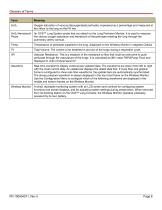
Overview: The document is a clinical user guide for the TransMedics® Organ Care System™ (OCS™) Lung System, specifically for software version 3.1.2. It provides detailed instructions and information for medical professionals on the use of the OCS™ Lung System, which is designed to preserve donor lungs for transplantation.
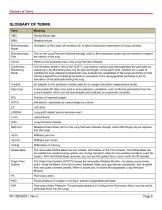
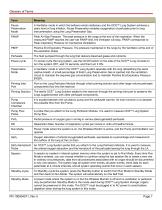
Specifications: The guide includes a list of symbols and a glossary of terms to aid understanding. It specifies that the device complies with the Medical Device Directive 93/42 EEC and is restricted to sale by or on the order of a physician.
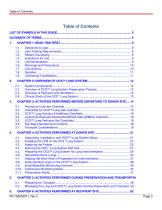
Procedures: The document is structured into chapters detailing various procedures:
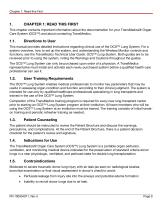
- Chapter 1: Provides initial directions, user training requirements, patient counseling, indications, contraindications, and warnings.
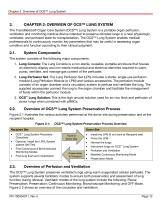
- Chapter 2: Offers an overview of the OCS™ Lung System components and preservation process.
- Chapter 3: Describes activities before departure to the donor site, including checklists for necessary equipment and supplies.
- Chapter 4: Details activities at the donor site, including system setup, lung harvesting, and initial monitoring.
- Chapter 5: Covers preservation and transport activities.
- Chapter 6: Outlines activities at the recipient site, including final monitoring and implantation decision.
- Chapter 7: Discusses critical scenarios and troubleshooting.
Norms and Recommendations: The guide emphasizes the importance of following specific procedures and checklists to ensure the proper functioning of the OCS™ Lung System. It also highlights the need for trained personnel to operate the system.
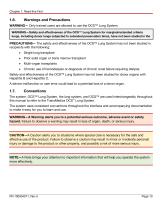
Warnings and Precautions: The document includes several warnings and precautions to prevent misuse and ensure patient safety. It advises on the proper handling and storage of the system and components.
Appendices: The guide contains appendices with additional information on clinical studies, body weight formulas, and graft dysfunction classification used in trials.
Key Data: The document includes technical specifications, operational modes, and troubleshooting steps, ensuring comprehensive guidance for clinical use.
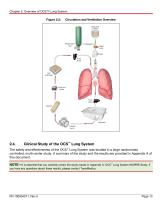
Key Components: The OCS™ Lung System comprises a Lung Console, a Lung Perfusion Set, and the OCS™ Lung Solution. The Lung Console is a reusable enclosure that manages the perfusate's temperature and gas content. The Lung Perfusion Set includes a sterile module for perfusing and ventilating the lung, while the OCS™ Lung Solution is used for ex-vivo lung perfusion.
System Operation: The system supports various ventilator modes to preserve and assess lung function, including Pause Preservation, Preservation, Continuous Monitoring, and Bronchoscope Monitoring. Real-time data is displayed on a Wireless Monitor, which can be configured to show different waveforms.
User Training and Requirements: Only qualified healthcare professionals trained in the OCS™ Lung System can operate it. Training includes hands-on sessions and periodic refreshers. The system is intended for use in lung transplants and requires a physician's order for purchase.
Warnings and Precautions: The document highlights the importance of using only TransMedics-approved accessories and supplies to avoid system malfunctions. It also lists contraindications, such as moderate to severe traumatic donor lung injury, and warns about the unstudied safety and effectiveness in certain transplant scenarios.
Preparation and Checklists: Before departing to the donor site, a comprehensive checklist ensures all necessary components and supplies are ready, including fully charged batteries, gas cylinders, and perfusion modules. The document provides detailed steps for checking and preparing the Lung Console and gas cylinders.
Contact Information: For customer support and service, contact details for TransMedics in the US and Europe are provided, along with instructions for ordering additional parts and supplies.
Clinical Study: The document references a clinical study on the safety and effectiveness of the OCS™ Lung System, with results available in an appendix for further review.
Gas Cylinder Management: Ensure correct installation of Lung Monitoring and Preservation Gas cylinders by checking label colors. Avoid removing additional labels on the Lung Monitoring Gas cylinder to prevent incorrect installation.
OCS™ Lung Solution & Additives: Use cold buffered OCS™ Lung Solution for donor lung flush and perfusion. Buffer the solution with NaHCO3 or THAM immediately before use. Perfusate additives include multivitamins, methylprednisolone, insulin, milrinone, and NaHCO3.
Perfusate Medications: Prophylactic medications include Cefazolin, Ciprofloxacin, and Voriconazole. Corrective medications are used as needed based on blood sample checks.
Leukocyte Reduced Packed Red Blood Cells (pRBCs): 3 units required, ABO compatible, CMV negative, and leukocyte reduced.
OCS™ Lung Perfusion Set: Check expiration date and inspect for damage before use. Install the Lung Perfusion Module (LPM) before departure if necessary.
Transport Considerations: Secure the OCS™ Lung Console during transport and maintain ambient temperature. Prepare the system for travel by setting it to Standby Mode and securing it in the vehicle.
Activities at Donor Site: Unpack and inspect the Lung Perfusion Set and sterile components immediately before use. Install the LPM on the OCS™ Lung System, ensuring proper alignment and connection. Attach probes and ensure proper operation of ventilator modes.
Warnings and Cautions: Do not use expired or damaged components. Ensure proper alignment and connection of all components to avoid damage and ensure functionality.
Attaching Probes: The SaO2/Hematocrit and SvO2/Hematocrit probes are clipped onto cuvettes in the LPM's tubing. Proper alignment is crucial, with probes attached between specific colored bands on the tubing.
Running the OCS™ Lung System Self Test: After installation, a Self Test ensures system functionality. The Wireless Monitor must be docked, and the system should be in Standby Mode. Errors are addressed using the TransMedics Technical User Guide.
Preparing the OCS™ Lung System: This involves priming the system with OCS™ Lung Solution and pRBCs, setting the temperature, and adjusting pump flow. The system defaults to Pause Preservation Mode, allowing for oxygenation of the perfusate.
Priming Procedures: Detailed steps for priming the LPM include using Dual Vented Prime Lines and ensuring proper circulation and mixing of the perfusate. Additives such as medications are injected into the perfusate.
Perfusate Circulation: The document outlines settings for starting perfusate circulation, including pump flow rates and temperature adjustments. It emphasizes the importance of maintaining proper gas flow and avoiding air introduction.
Harvesting Donor Lungs: Instructions for lung flush, trachea clamping, and stopping ventilation are provided. The document also covers preparing the lung for the OCS™ Lung System, including cannulation and instrumentation.
Securing Cannulae: The process of securing TransMedics® Cannulae to the donor lung is described, with a list of necessary tools and components from the Lung Instrumentation Tool Set.
Key Recommendations: The document stresses the importance of aseptic techniques, proper alignment and connection of probes, and careful monitoring of system parameters to ensure successful lung preservation and transplantation.
Tracheal Cannula Procedure: Secure the trachea using TransMedics cable ties and a cable tie tool. Clamp the trachea cannula with the TransMedics tubing clamp. Remove the surgical clamp from the trachea.
Pulmonary Artery (PA) Cannulation: Ensure a main pulmonary artery stump of at least 1 inch is available. Align the PA Cannula in the midline with the pressure line pointing up. Position the cannula tip in the main PA for equal perfusion to both lungs. Secure the cannula with a silk tie or purse string suture. Ensure the cannula tip is not against the PA wall.
PA Reconstruction and Cannulation: Use a piece of descending aorta to reconstruct the main PA if needed. Secure the PA Cannula into the reconstructed PA conduit.
Draping the Work Area: Remove the Wireless Monitor from its docking cradle. Unfold the sterile drape over the Lung Organ Chamber. Ensure the Wireless Monitor is covered with clear film for visibility.
Instrumenting Lungs on the OCS™ Lung System: Before Instrumentation: Dry the Trachea Cannula before connecting to the lung system. Set the Pump flow to 500 mL/min for gradual warming. Confirm Ventilator Mode is set to Pause Preservation. Reset perfusate temperature to 37°C. Place the lungs in the Lung Organ Chamber with cannulae directed toward connection ports.
Instrumentation Sequence Overview: Connect the Trachea Cannula to the Lung Organ Chamber’s Trachea Connector. Connect the PA Cannula to the PA pressure line inside the Lung Organ Chamber. De-air the PA Cannula before connection.
Initial Stabilization Overview: Reset instrumentation temperature to 37°C. Gradually increase Pump flow to 1.5-2 L/min over 15 minutes. Maintain mean PA pressure below 20 mmHg. Start ventilation at temperature ≥ 34°C and Pump flow ≥ 1 L/min.
Warming the Lungs: Gradually increase Pump flow rate to 1.5-2 L/min over 15 minutes. Ensure mean PAP does not exceed 20 mmHg.
Ventilation Start on the OCS™ Lung System: Start ventilation in Bronchoscope Mode for 5 minutes. Ensure no blood or air leaks from the lung tissue.
Wrapping the Lung: Apply the OCS™ Lung Wrap at peak inspiration. Ensure PAWP is < 25 cmH2O and good LA blood flow.
Applying Banded Bags/Sterile Covers: Apply sterile banded bags to the Lung Organ Chamber for protection. Ensure bags do not cover critical ports or filters.
End of the Initial Stabilization Phase: Confirm perfusate temperature is 37°C. Ensure all target ventilation and perfusion parameters are met.
Initial (Baseline) Monitoring Overview: Perform initial assessment of lung oxygenation capacity if needed. Ensure Bronchoscope port is closed to avoid air leakage.
Continuous Monitoring Mode: Connect Lung Monitoring Gas cylinder to the Monitoring port. Maintain PA flow rate of 2-3 L/min, or 1.5 L/min for injured lungs.
Monitoring Port of OCS™ Lung System:
Pump Flow Adjustment: Gradually increase the pump flow to 2-3 L/min, maintaining mean PA pressure below 20 mmHg. For mildly injured lungs, use 1.5 L/min to prevent fluid leakage.
Ventilator Mode: Set to Continuous Monitoring Mode using the Wireless Monitor. Confirm the mode change by checking the icon on the screen.
Baseline Monitoring: Take an arterial blood gas (ABG) sample to calculate baseline PaO2/FiO2. Adjust pump flow back to 1.5-2 L/min after monitoring.
Preservation Mode: The system conserves battery power and gas by rebreathing the same breath. Fresh gas is injected to maintain concentration and PEEP.
Alarm Settings: Ensure alarm limits are set to recommended ranges for parameters like PF, PAP, VR, Temp, SaO2, SvO2, HCT, PAWP, and PEEP.
Transport Preparation: Avoid uncontrolled temperature environments. Monitor perfusate temperature and ensure Wireless Monitor is within range. Display PAWP vs. VR trend on the monitor for real-time management.
Transport Management: Monitor parameters like PEEP, mean PA pressure, PAWP, VR, TV, gas levels, and battery status. Maintain pump flow at 1.5-2 L/min and gas flow at 300 ml/min.
Recipient Site Activities: Perform final recruitment and monitoring. Adjust ventilator settings for recruitment and perform a final ABG check. Conduct a Bronchoscopic examination if needed.
Physical Assessment: Perform visual and physical assessments of the lungs in the organ chamber before preservation termination.
Implantation Decision: The transplantation team should consider the stability of lung perfusion and ventilation parameters, a PaO2/FiO2 ratio of ≥ 300, and the clinical acceptability of the lungs based on examinations before making an implantation decision.
Lung Preservation Termination: During the disconnection of the lung from the OCS™ Lung System, sterile operators handle actions inside the Lung Organ Chamber. A double lung flush using cold buffered OCS™ Lung Solution is performed, requiring at least 3-5 L of solution. The procedure involves several steps, including closing the PA vent line stopcock, switching the ventilator mode, and making a wet-to-wet connection for the flush line.
Shut-Down Protocol: After disconnecting the organ, the system is set to Standby Mode, and all materials are disposed of according to standard procedures. The system is prepared for shutdown by downloading data and removing probes from tubing.
Critical Scenarios and Troubleshooting: Guidance is provided for maintaining PEEP during preservation mode and managing rising Mean PAP, VR, and PAWP. Solutions include checking for air leaks, adjusting PEEP, and managing pump flow rates.
INSPIRE Study: The OCS™ Lung System was evaluated in the INSPIRE Trial, which aimed to compare its safety and effectiveness with cold storage for donor lung preservation. The trial demonstrated the system's ability to reduce ischemic time, modulate lung condition, and allow ex-vivo functional assessment, showing reasonable assurance of safety and effectiveness.
Primary Effectiveness Endpoint: The primary effectiveness endpoint focuses on the evaluation of PGD3, a severe form of acute lung injury, within 72 hours post-transplantation. The endpoint is a composite of patient survival at day 30 and PGD3 occurrence within the initial 72 hours. This allows for assessing the impact of the OCS™ Lung System on reducing donor lung preservation injury.
Secondary Effectiveness Endpoints and Other Clinical Endpoints: Secondary endpoints include the incidence of ISHLT PGD3 and PGD2 or 3 at 72 hours post-transplantation, and patient survival at day 30. Other clinical endpoints cover the duration of mechanical ventilation, ICU and hospital stay, and incidence of BOS at 6, 12, and 24 months.
Safety Endpoint: The primary safety endpoint is the mean number of lung graft-related serious adverse events (LGRSAEs) within 30 days post-transplantation. LGRSAEs include biopsy-proven acute rejection, respiratory failure, bronchial anastomotic complications, and major pulmonary-related infections.
Adjunct Effectiveness Analyses: Additional analyses include composite evaluations of in-hospital and 30-day survival and freedom from PGD3 within the initial 72 hours and at 72 hours post-transplantation. An OCS Solution Subgroup Analysis was also conducted.
Study Population: The study involved lung transplant recipients and donor organs meeting specific inclusion/exclusion criteria. Recipients were primary double-lung transplant candidates aged 18 or older, while donors were under 65 with normal gas exchange and no active pulmonary disease.
Study Treatments: Donor organs in the OCS Arm were perfused with the OCS™ Lung System, while the Control Arm used a commercially available LPD solution for lung preservation. Follow-up data collection occurred at various intervals up to 24 months post-transplant.
Trial Enrollment & Analysis Populations: The trial included the INSPIRE Initial Cohort and an Administrative Extension, forming the INSPIRE Combined Cohort. Key analysis populations were Per-Protocol, Modified Intention-to-Treat, and Safety Population.
Demographic and Baseline Information: Recipient characteristics showed similar demographics between groups, with some differences in risk factors. Donor characteristics were also similar, with slight variations in gender distribution and surgical complications.
Donor Lung Preservation Characteristics: During OCS™ lung perfusion, vascular resistance and airway pressures were monitored to assess perfusion stability, with the system enabling lung oxygenation assessment.
OCS™ Lung Perfusion Parameters: The study measures lung perfusion and oxygenation capacity using the PaO2/FiO2 ratio. The OCS™ system shows improved oxygenation capacity at the end of preservation compared to retrieval time.
Cross Clamp and Ischemic Times: The OCS™ system reduces ischemic time by over 2 hours compared to cold storage, despite longer cross-clamp times, as it perfuses lungs with oxygenated blood.
Primary Effectiveness Endpoint: The primary endpoint assessed 30-day survival and PGD3 incidence within 72 hours post-transplant. The OCS™ system met the endpoint in the PP population but not in the mITT population.
Survival and PGD3 Analysis: The OCS™ arm had lower 30-day survival rates compared to control, with 11 deaths in the OCS group versus 1 in the control group. However, the OCS™ system reduced PGD3 incidence within 72 hours post-transplant.
Secondary Endpoints: The study analyzed secondary endpoints like PGD2/PGD3 incidence and 30-day survival. Non-inferiority was not achieved for some parameters, but the OCS™ system showed a slight advantage in reducing PGD3 incidence.
Safety Endpoint: The safety endpoint was met, indicating the OCS™ Lung System's safety for its intended use.
Long-Term Survival and BOS: Long-term survival at 24 months was similar between OCS and control groups. The OCS™ system showed slightly higher freedom from BOS at 24 months.
Reduction in Hospitalization: The OCS™ arm showed a reduction in mechanical ventilation time, ICU stay, and overall hospital stay, although not statistically significant.
Adjunct Effectiveness Analyses: Post-hoc analyses evaluated survival through initial hospital discharge and freedom from PGD3, showing mixed results for the OCS™ arm compared to control.
OCS Solution Subgroup: This subgroup analysis focused on patients receiving lungs perfused with the OCS™ Lung Solution, approved by the FDA.
Primary Endpoints: The primary endpoint was amended to include PGD within 72 hours. Figures 21 and 22 show the incidence of PGD3 at 72 hours for different cohorts. The results for the OCS Solution subgroup align with the overall OCS Arm.
Secondary Endpoints: Tables 7 and 8 present secondary endpoints, including survival at 30 days post-transplantation. The OCS Solution subgroup showed similar results to the OCS Arm and Control groups, with minor differences in PGD3 incidence and survival rates.
INSPIRE Initial Cohort: The initial cohort consisted of 320 subjects. Figures 23 to 26 and Tables 9 and 10 provide results for primary and secondary endpoints, showing consistency with the combined cohort results.
Device Malfunctions: Table 11 summarizes 12 device malfunctions, with improvements implemented to prevent recurrence. Issues included reduced reservoir volume and user errors.
Adverse Events: Tables 12 and 13 summarize adverse events and serious adverse events (SAEs) for the safety population. No significant differences were noted between the Control and OCS groups. Potential adverse events not observed include anemia and neurological dysfunction.
Summary of INSPIRE Clinical Study: The INSPIRE Trial evaluated the OCS™ Lung System, demonstrating its safety and effectiveness in lung transplantation. Key findings include:
- The OCS™ Lung System reduces the incidence of Primary Graft Dysfunction (PGD3) within the first 72 hours post-transplant.
- It decreases ischemic time for donor lungs compared to traditional cold storage, despite longer cross-clamp times.
- Mortality rates at 30 days were higher in the OCS group, but similar during initial hospitalization and at 12 and 24 months compared to cold storage.
- Potential reductions in mechanical ventilation, ICU stay, and overall hospital stay were observed.
- The OCS Arm showed a lower incidence of Bronchiolitis Obliterans Syndrome (BOS) through 24 months post-transplant.
Risks associated with the OCS™ Lung System include potential device malfunction or user error, mitigated by design and training.
Appendix B: Body Weight Formula: Devine's formula is used for calculating ideal body weight for individuals over 5 feet tall.
Appendix C: Primary Graft Dysfunction Classification: The INSPIRE Trial used the ISHLT 2005 Consensus Statement for PGD assessment, with specific criteria for intubated and extubated patients, and those on ECMO support.
Contact Information: TransMedics, Inc., 200 Minuteman Rd., Suite 302, Andover, MA 01810, USA. Tel: +1 978 552 0900, Service: +1 978 552 0999, Fax: +1 978 552 0978, Website: www.transmedics.com